






The 'Rule' Isn't What You Pack—It's How You Think
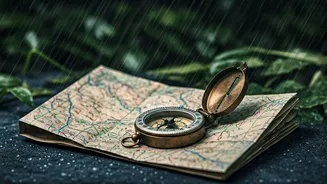
Let’s get the big secret out of the way: the single most important rule of monsoon travel has nothing to do with a specific gadget or piece of clothing. It’s a mindset: radically embrace flexibility. Forget the minute-by-minute, checklist-driven itinerary.
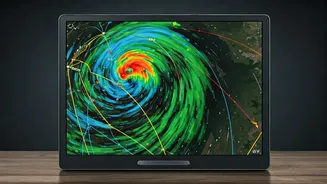
During monsoon season, whether you’re in the lush backwaters of Kerala, the vibrant streets of Chiang Mai, or even the dramatic desert landscapes of the American Southwest during its summer rainy season, nature is in charge. The real 'rule' is to surrender control. Instead of fighting the weather, you adapt to its rhythm. Roads might flood, ferries could be cancelled, and that perfect sunrise hike might be a total washout. A rigid plan will only lead to frustration. A flexible one, however, opens the door to spontaneity and the kind of unexpected moments that become the best travel stories. The goal is to expect less in terms of your schedule and, in turn, experience far more of the place itself.
Pack for Dampness, Not Just Downpours
Applying this flexible mindset starts with your suitcase. First-timers pack a heavy raincoat and call it a day. Experienced travelers know the real enemy isn't the rain itself but the persistent dampness that follows. Your packing list should prioritize anything that dries quickly. Swap out your cotton t-shirts for moisture-wicking synthetic blends or merino wool. Ditch the heavy jeans, which can take days to dry in high humidity, in favor of lightweight travel pants. Footwear is critical: instead of waterproof hiking boots that can become swampy if water gets inside, opt for high-quality, open-toed waterproof sandals or Crocs that let your feet breathe and dry instantly. Finally, protect your valuables. A sturdy dry bag is non-negotiable for your phone, camera, and passport. Throw in a few extra Ziploc bags for good measure. This isn't about staying perfectly dry—it's about recovering quickly when you inevitably get wet.
Build a 'Maybe' Itinerary
The flexible mindset must translate to your schedule. Instead of a fixed plan, build a 'maybe' itinerary filled with possibilities. For every outdoor activity, have a compelling indoor alternative ready. Was your plan to visit the ancient temples all day? If a torrential downpour starts, pivot to that cooking class you researched, explore a local museum, or simply find a cozy café and watch the world go by. Build buffer days into your trip. If you have to travel between cities, add an extra day to your stay in case buses are delayed or roads are temporarily closed. This prevents the stress of a missed connection from ruining your trip. The monsoon forces a slower pace of travel, which can be a blessing in disguise. It encourages you to linger, observe, and connect with a destination rather than just ticking off its sights.
Discover the Off-Season Upsides
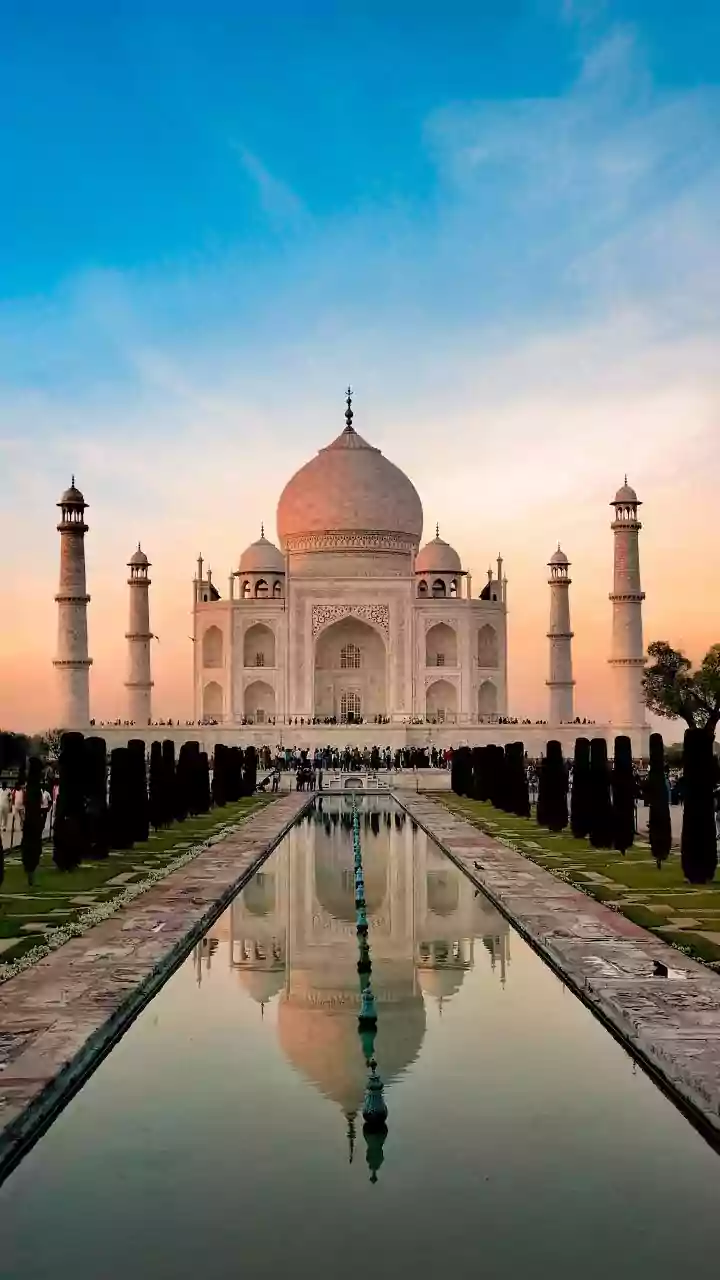
So why bother with all this planning for unpredictability? Because the rewards are immense. Traveling during the monsoon, or 'green season' as it’s often rebranded, is your ticket to a completely different experience. The biggest advantage is the lack of crowds. Overtouristed hotspots become quiet, serene, and feel more authentic. You’re sharing the space with locals, not a sea of other visitors. Prices for flights and accommodations often plummet, allowing your budget to stretch further. But the most profound benefit is the landscape itself. Dust and haze are washed away, revealing startlingly vibrant colors. Rice paddies turn an electric green, waterfalls that are mere trickles in the dry season become thundering spectacles, and the air feels clean and fresh. The dramatic, moody skies create a photographer’s dream. You're seeing the country at its most lush and alive.