



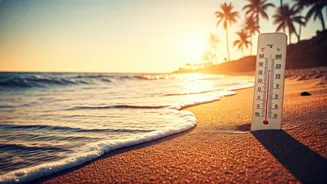
The New 104°F Reality
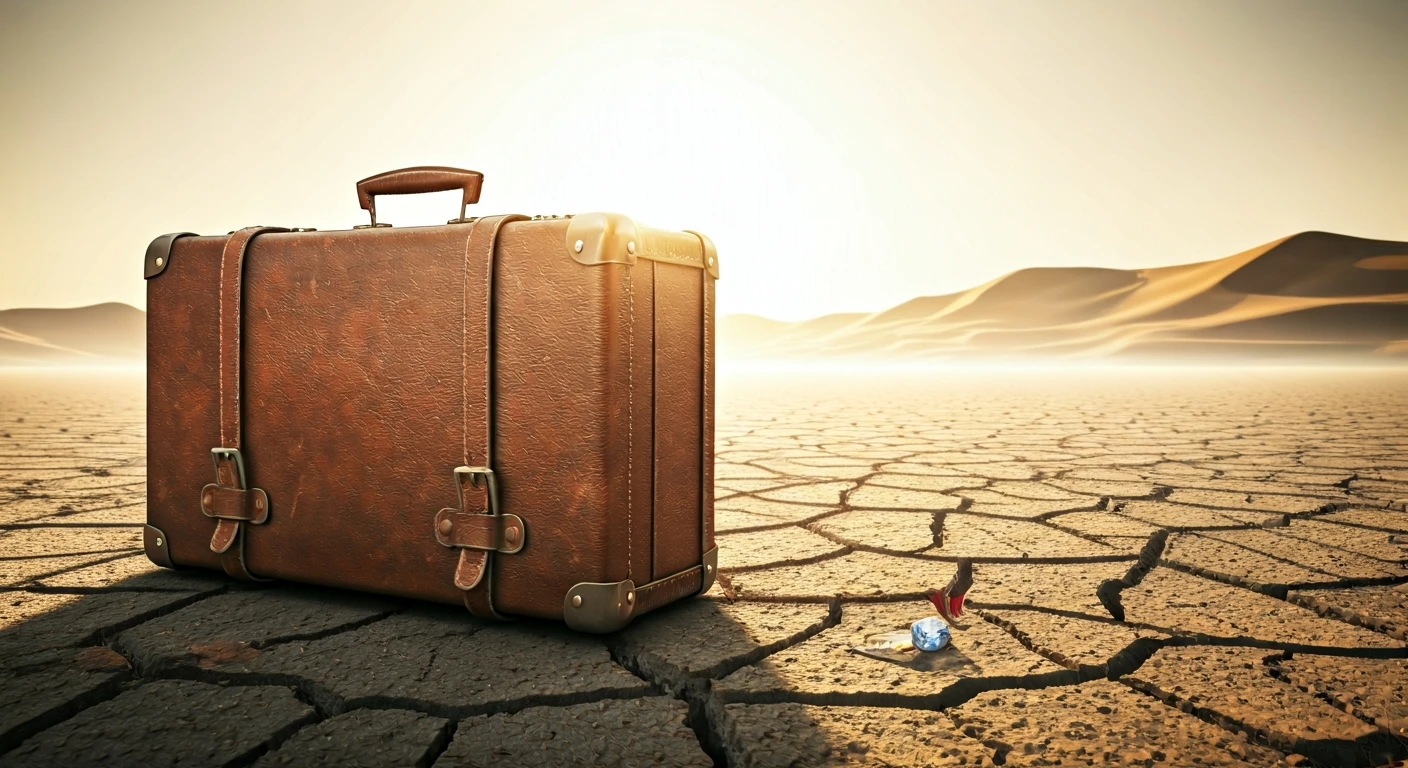
Not long ago, a 40-degree Celsius day (that’s 104°F) was a shocking anomaly in popular summer destinations. Today, it’s becoming an unnervingly regular feature of summers from Phoenix to Sicily. Recent years have seen tourists fainting at the Colosseum,
wildfires forcing evacuations on Greek islands, and national parks in the U.S. issuing extreme heat warnings that make popular trails unsafe after 10 a.m. This isn't a freak weather event; it's the new climate backdrop for peak travel season. The traditional advice to 'pack light and stay hydrated' is no longer sufficient. The increasing frequency of these dangerously hot days requires a fundamental shift in how we plan, book, and experience our vacations.
Rethink Your When and Where
The most powerful decision you can make is in the planning stage. Instead of automatically booking a trip to the Mediterranean or the American Southwest in July or August, consider the shoulder seasons. Spring and autumn often offer pleasant weather, fewer crowds, and lower prices. A trip to Rome in October is far more enjoyable than one in an August heatwave. Alternatively, embrace the “coolcation” trend. Instead of heading toward the equator, look north. Think about the majestic fjords of Norway, the vibrant cities of Canada, the lush landscapes of Ireland, or the refreshing coastlines of Maine and the Pacific Northwest. These destinations offer rich cultural experiences and stunning scenery without the life-threatening heat, making them smart and increasingly popular summer alternatives.
Adopt the Siesta Mindset
If you are traveling to a hot climate, learn from the locals who have adapted over centuries. Your itinerary should not be a relentless, dawn-to-dusk checklist. Adopt a siesta-style schedule. Plan your strenuous activities, like walking tours or visiting open-air ruins, for the early morning before 10 a.m. or in the late evening after 6 p.m. Use the brutal midday heat—from roughly noon to 4 p.m.—for indoor activities. This is the perfect time to explore a world-class museum, enjoy a long, leisurely lunch in an air-conditioned restaurant, take a nap back at your hotel, or find a shady spot by the pool. Fighting the heat is a losing battle; structuring your day around it is a winning strategy.
Pack for Survival, Not Just Style
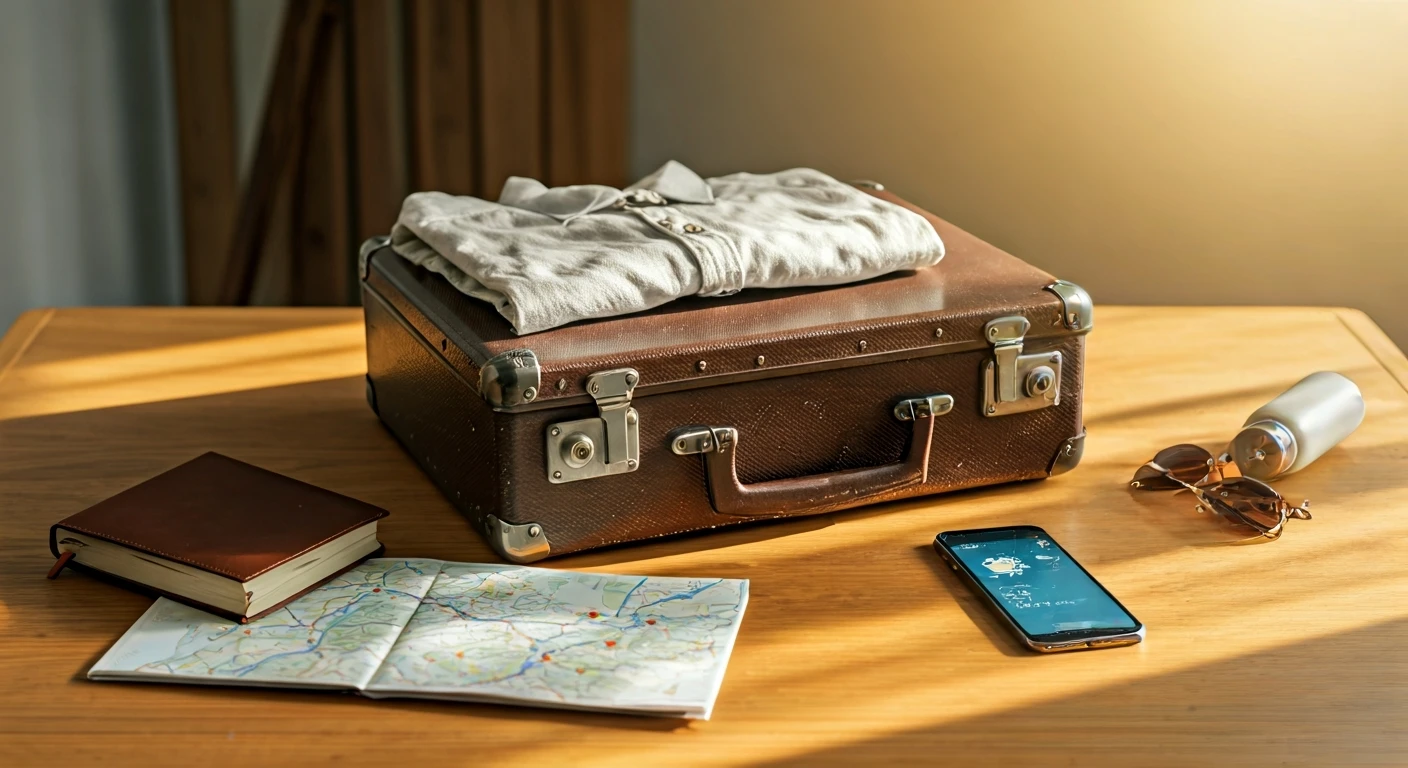
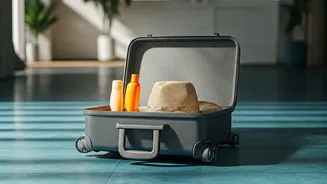
Your packing list needs an upgrade. While style is nice, function is essential. Prioritize loose-fitting, lightweight, and light-colored clothing made from breathable fabrics like linen, cotton, and moisture-wicking synthetics. A wide-brimmed hat is non-negotiable for protecting your face and neck from the sun. Sunglasses are a must. Most importantly, invest in a high-quality reusable water bottle and carry it everywhere. Don’t wait until you’re thirsty to drink. Consider packing electrolyte powders or tablets to add to your water, as you lose essential salts through sweat. These simple items don't take up much space but can make the difference between a comfortable day and a trip to the emergency room.
Prioritize Health Over the Itinerary
This is the most critical mental shift. In the age of social media, there’s immense pressure to have a 'perfect' trip and see everything. Pushing through fatigue and discomfort in extreme heat is not toughness; it's recklessness. Learn to recognize the signs of heat exhaustion: heavy sweating, dizziness, headache, nausea, and a rapid pulse. If you feel them, stop immediately. Find a cool place, drink water, and rest. Do not let the fear of missing out (FOMO) lead you to ignore your body’s warning signs. The Acropolis isn't going anywhere. Your health is far more precious than a photo op. Be willing to scrap your plans for the day and rest. A missed afternoon is better than a ruined vacation or a serious medical emergency.