



Start with Wood's Warmth
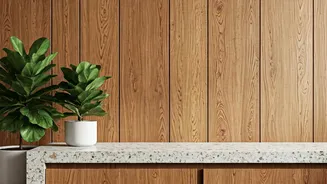
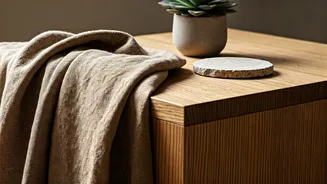
Wood is perhaps the most accessible and impactful natural material you can introduce. Unlike laminate or plastic, which can feel cold and uniform, wood offers visual warmth and unique character. Each piece tells a story through its grain, knots, and imperfections.
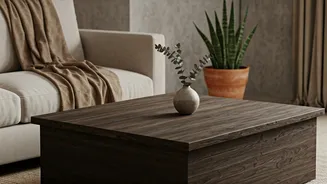
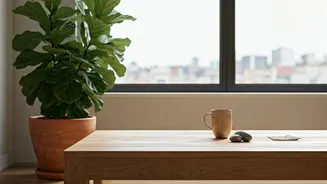
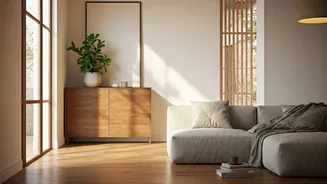
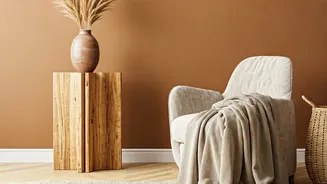
This inherent variety is what makes it feel alive and authentic. You don't have to install new hardwood floors to get the benefit. Start small with a live-edge coffee table, a set of acacia wood salad bowls on an open shelf, or even a beautifully crafted cutting board left out on the counter. Consider a solid oak armchair or a teak bench in the entryway. The goal is to introduce pieces that invite touch and showcase the organic patterns that only nature can create.
Ground the Space with Stone and Clay
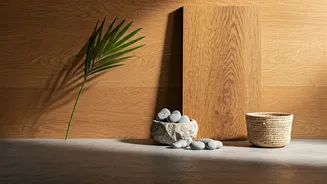
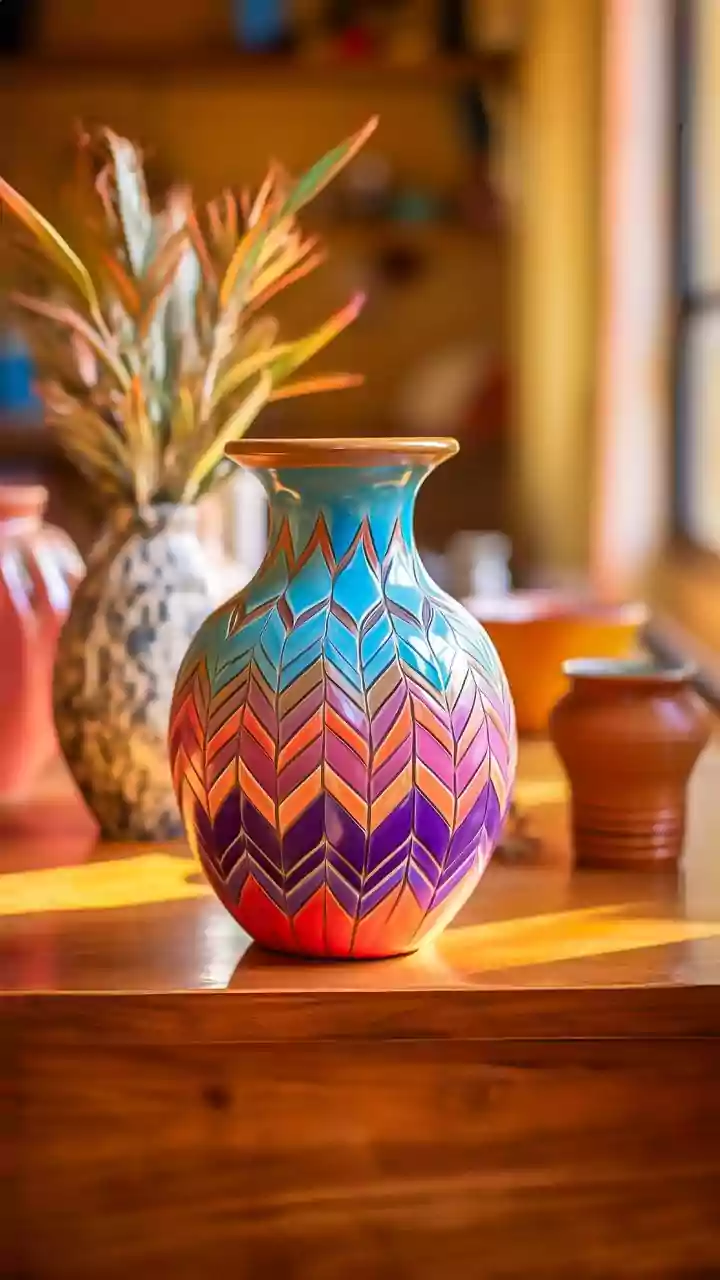
Stone provides a sense of permanence, stability, and connection to the earth. While a marble countertop is a major investment, you can achieve a similar grounding effect on a smaller scale. Think about a slate tray for your coffee table, a marble pedestal for a plant, or travertine coasters. Terracotta and ceramic objects also bring an earthy, handcrafted element into a room. A simple, unglazed terracotta pot or a collection of handmade ceramic mugs can instantly break up the monotony of machine-made decor. These materials are cool to the touch and change subtly over time, developing a patina that adds to their story and makes your home feel lived-in, not just decorated.
Soften Surfaces with Natural Fibers
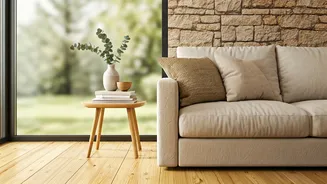
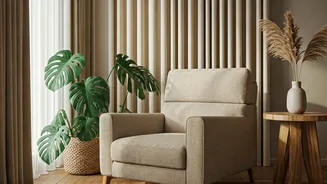
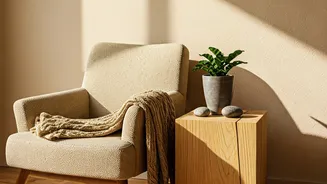
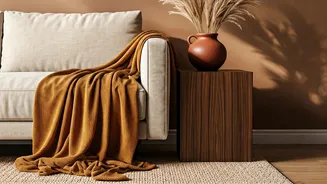
Textiles are where our homes can become a sea of synthetic polyester and acrylic. Swapping these for natural fibers is a game-changer for how a room feels. Think about the rough, satisfying texture of a jute rug underfoot, the airy lightness of linen curtains billowing in a breeze, or the cozy weight of a wool throw blanket. Cotton, boucle, and hemp are other fantastic options. Natural fibers are breathable and have a textural richness that synthetics can't replicate. They engage the sense of touch, making your sofa more inviting and your bed a true sanctuary. A new set of linen pillowcases or a chunky-knit cotton blanket is an easy, immediate upgrade.
Bring Life Indoors with Plants
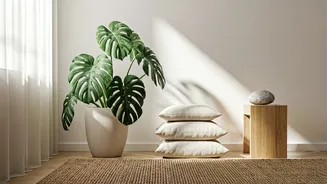
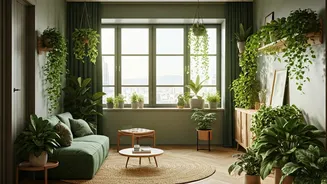
The most literal way to make a home less synthetic is to fill it with living things. Houseplants are the ultimate natural accessory. They purify the air, add vibrant color, and introduce organic shapes that break up the hard lines of furniture and architecture. The act of caring for them—watering, pruning, watching them grow—is a grounding ritual in itself. From a towering fiddle-leaf fig in a corner to a cluster of small succulents on a windowsill, plants remind us of the world outside. They offer dynamic beauty, as no two leaves are exactly alike and their appearance changes with the seasons and the light.
Prioritize Natural Light and Views
Sometimes the best natural material is the one right outside your window. Maximizing natural light makes any space feel more open, airy, and connected to the outdoors. Ditch heavy, room-darkening drapes for sheer linen or cotton curtains that filter light without blocking it. Keep windows clean and unobstructed. If you have a view—even if it's just a sliver of sky or a single tree—arrange your furniture to honor it. A reading chair angled toward a window creates a small moment of connection with the world outside. This simple act of framing nature helps dissolve the boundary between inside and out, making your home feel like a seamless part of a larger, living environment.