





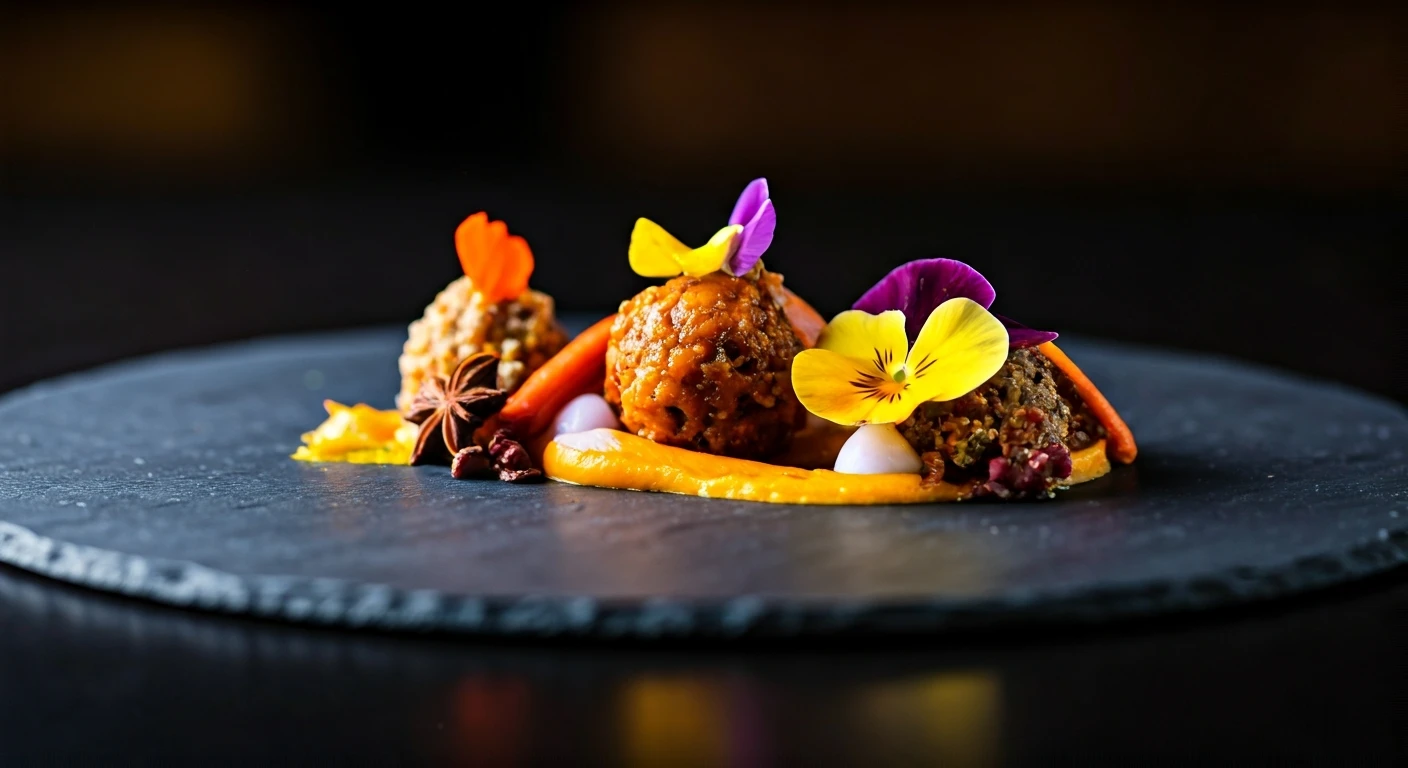
The Plant-Based Revolution, Indian Style
While the U.S. has its Impossible Burgers, India is tackling the plant-based challenge with a distinctly local flair. At expos like AAHAR in New Delhi, the focus isn't just on mimicking meat but on creating new, delicious proteins from native ingredients.
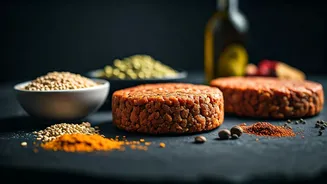
Think less about soy and more about jackfruit. Companies like Wakao Foods are showcasing tender, ready-to-cook jackfruit meat that absorbs spices beautifully, making it a perfect, fibrous base for everything from biryanis to tacos. We're also seeing an explosion in dairy alternatives. But instead of just oat or almond milk, brands are innovating with paneer made from peanuts or butter crafted from plant-based ghee substitutes, catering to a massive vegetarian population that still wants the creamy, rich textures central to Indian cuisine. It’s a ground-up reimagining of protein, not just a top-down replacement.
Millets: The Ancient Grain Turned Global Superfood
If there’s one ingredient dominating the Indian food innovation scene, it's millet. Bolstered by a government-led push to popularize these indigenous “super grains,” entrepreneurs are transforming them into products for the modern consumer. The expo floors are filled with millet-based everything: pasta, noodles, breakfast cereals, cookies, and even puffed snacks that give Cheetos a run for their money. These aren't the dense, health-food-aisle products you might imagine. We're talking light, crispy dosa batters made from foxtail millet or ready-to-eat quinoa-style bowls made from sorghum. For a global market increasingly wary of wheat and seeking nutrient-dense, gluten-free alternatives, India is positioning itself as the world’s primary R&D lab for making ancient grains delicious and convenient.
Convenience Without Compromise
The ready-to-eat (RTE) market in India is booming, driven by a growing urban population with less time to cook elaborate, multi-step traditional meals. The innovation here isn't just about microwavable curries. It’s about deconstructing complex recipes into smart, high-quality kits. You’ll find everything from “five-minute” biryani kits that include par-cooked high-quality rice, a separate “masala gravy” pouch, and fried onions, to instant mixes for complex dishes like Puran Poli (a sweet flatbread). The technology has improved dramatically. Using retort and dehydration techniques, companies are preserving the authentic textures and flavors that used to be lost in packaged foods. This is about delivering the taste of a home-cooked meal in a fraction of the time, a holy grail for busy professionals everywhere.
Sustainable Solutions for a Massive Market
With a population of over 1.4 billion, a small sustainable shift in India can have a massive global impact. The country's food expos are becoming showcases for groundbreaking eco-friendly packaging and waste reduction technologies. We're seeing startups that turn agricultural waste—like rice husks or sugarcane bagasse—into biodegradable plates, cutlery, and containers. Others are focused on extending shelf life to reduce food spoilage, a huge issue in a country with complex supply chains. This includes edible coatings for fruits and vegetables that slow down ripening and smart packaging with indicators that show food freshness more accurately than a simple expiration date. These aren't just feel-good projects; they are scalable business solutions for a world grappling with plastic waste and food insecurity.
The Rise of 'Agri-Tech' and Traceability
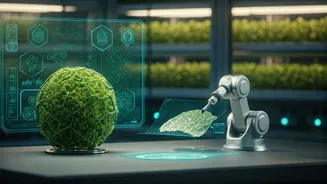
Perhaps the most 'serious' innovation is the one you can't taste: technology. Indian food expos are now tech conferences in disguise. Companies are presenting QR-code-based traceability solutions that allow consumers to scan a product and see exactly which farm it came from, when it was harvested, and its journey to the store. This isn't just for premium organic brands; it's being pitched for everyday spices and grains to combat adulteration and build consumer trust. Alongside this, AI-powered sorting machines are helping producers grade produce with incredible accuracy, ensuring that only the best products make it to market. This fusion of agriculture and technology is professionalizing India's food sector at an astonishing pace, promising a future of safer, higher-quality food for everyone.