


Microbiome-Balancing Scalp Care
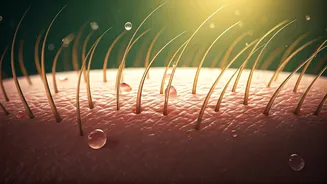
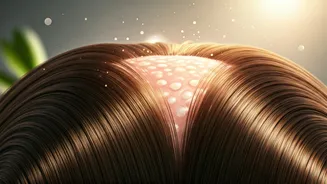
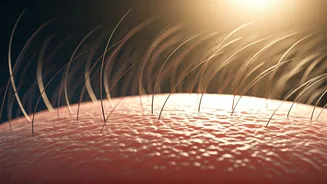
For years, the focus was on stripping the scalp clean. The future, however, is all about nurturing its delicate ecosystem. Dermatologists have long understood that the scalp is skin, complete with its own microbiome—a community of billions of microorganisms
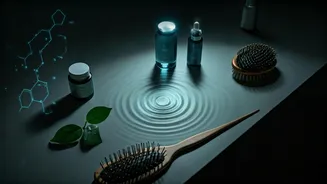
that, when balanced, create the optimal environment for healthy hair growth. By 2026, we’ll see an explosion of sophisticated scalp treatments using prebiotics, probiotics, and postbiotics. Think of it as yogurt for your head. These formulas won't just fight dandruff or oil; they will actively feed the good bacteria, reduce inflammation, strengthen the skin barrier, and address the root causes of common hair concerns before they even start.
Biotech Peptides & Growth Factors
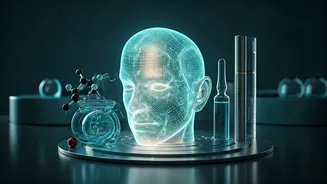
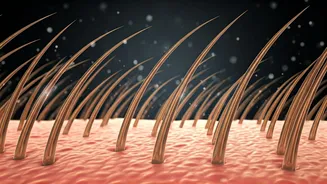
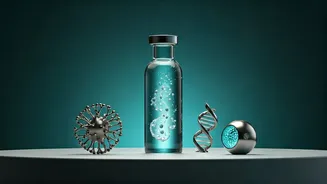
While we love a good botanical extract, the next frontier is ingredients born in a lab. Dermatologists are increasingly excited about biomimetic peptides and growth factors, which are engineered to be bio-identical to the signaling molecules our own bodies produce. In haircare, these powerful ingredients can communicate directly with hair follicles, encouraging them to stay in the anagen (growth) phase longer and promoting the production of stronger, thicker strands. This represents a major leap from simply coating the hair shaft to influencing its biological behavior at a cellular level. Expect to see these high-tech actives in potent scalp serums and leave-in treatments designed for targeted, visible results.
AI-Driven Hyper-Personalization
The days of choosing between 'for oily hair' or 'for dry hair' will soon feel laughably outdated. The future is hyper-personalized, powered by artificial intelligence. Companies will use online quizzes combined with at-home testing kits (analyzing a hair strand or a scalp swab) to gather data on everything from your hair’s porosity and cuticle damage to your local humidity and water hardness. An AI algorithm will then process this data to create a truly bespoke shampoo, conditioner, or treatment that can be adjusted as your needs change. This approach allows for a level of precision that mass-market products can’t match, ensuring your hair gets exactly what it needs, when it needs it.
Smarter At-Home Devices
Professional treatments are migrating into our homes, and by 2026, they’ll be smarter than ever. Low-Level Light Therapy (LLLT) devices, often in the form of caps or headbands, are already popular for stimulating hair growth, but future iterations will be more powerful and targeted. Expect devices that sync with an app to track your progress and adjust treatment protocols. We'll also see the rise of 'infusion' tools that use gentle energy (like microcurrents or ultrasonic vibrations) to help expensive serums and treatments penetrate the scalp more effectively, maximizing their benefits and ensuring you get the most out of your investment.
Next-Generation Bond Repair
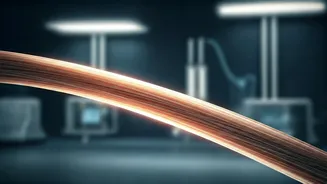
Bond-building treatments have been revolutionary for repairing damage from color and heat styling, but the technology is still evolving. Current products primarily work on disulfide bonds within the hair’s cortex. Dermatologists and cosmetic chemists are now focused on what’s next: cellular-level repair. Future innovations will likely use novel protein complexes, enzymes, or even nanotechnology to repair a wider array of bonds and fortify the hair’s internal keratin structure in a more lasting way. This means moving beyond a temporary fix to creating hair that is intrinsically stronger and more resilient to future damage.