
What Exactly Is Monk Fruit?
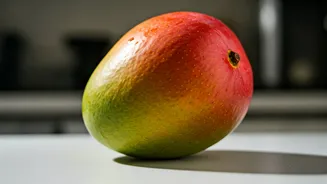
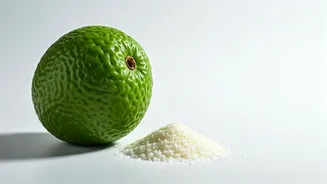
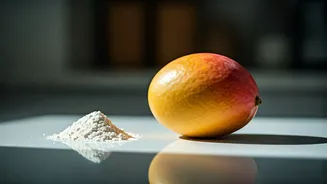
Monk fruit, also known as luo han guo, is a small, round melon native to Southern China. It’s been used for centuries in traditional Chinese medicine, but its journey into the global sweetener market is much more recent. Unlike sugar, which gets its sweetness
from sucrose and fructose, monk fruit’s intense sweetness comes from unique antioxidants called mogrosides. To create the sweetener you find in stores, the fruit’s seeds and skin are removed, it’s crushed, and the juice is collected. The sweet mogrosides are then separated from the fruit pulp. The result is a powder that can be 150 to 250 times sweeter than table sugar but contains none of the calories or carbohydrates. The U.S. Food and Drug Administration (FDA) has designated purified monk fruit extract as 'Generally Recognized As Safe' (GRAS), meaning it’s considered safe for consumption by the general population, including children and pregnant women.
The 'Healthier' Claim: Is It True?
When people call monk fruit 'healthier,' they’re primarily comparing it to regular sugar. On that front, the benefits are clear. First and foremost, it has zero calories and zero carbohydrates, making it an appealing option for weight management and for those on low-carb or ketogenic diets. Second, because it contains no sugar, it has a glycemic index of zero. This means it doesn’t raise blood sugar levels, making it a safe and effective sweetening option for people with diabetes. Some preliminary research also suggests that the mogrosides in monk fruit have antioxidant and anti-inflammatory properties. While these findings are promising, it's important to remember that most monk fruit sweeteners are highly concentrated extracts, and more human studies are needed to confirm any significant therapeutic benefits beyond its function as a sugar substitute.
How It Stacks Up Against Other Sweeteners
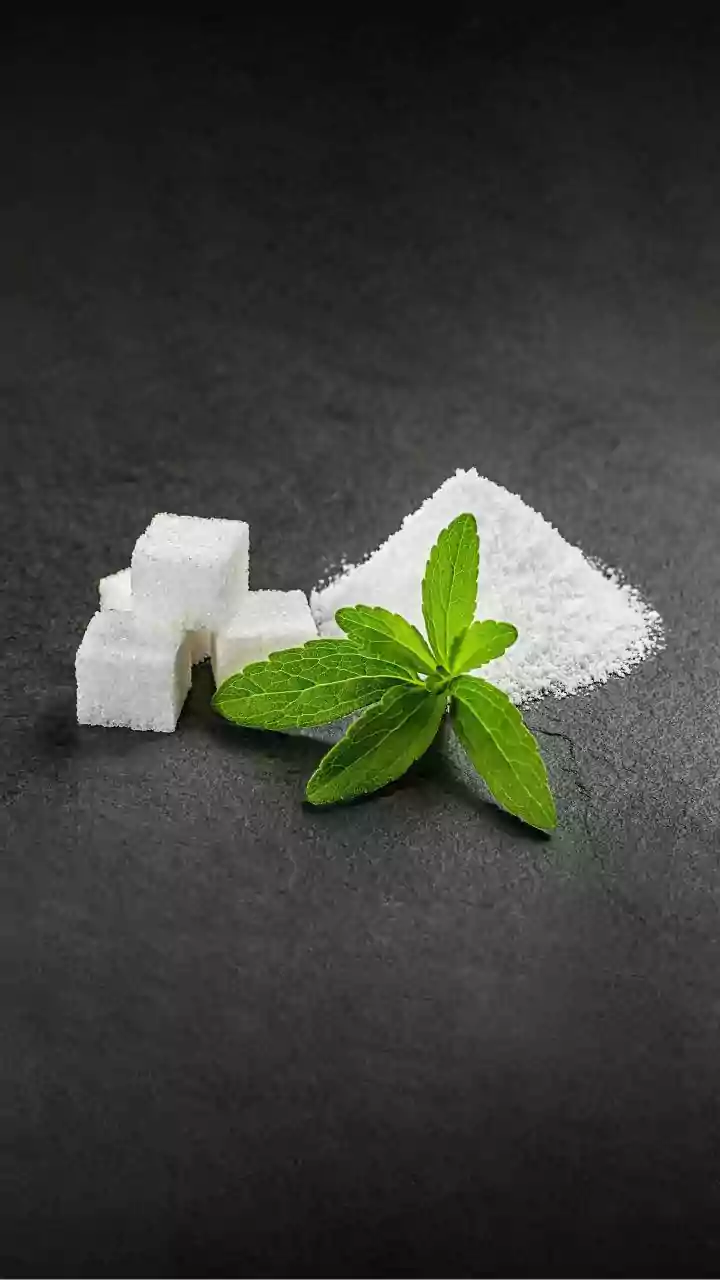
In the crowded world of sugar alternatives, monk fruit holds its own. Compared to artificial sweeteners like aspartame or sucralose, its 'natural' origin is a major draw for many consumers. Unlike stevia, another popular plant-based sweetener, monk fruit is less likely to have a bitter or licorice-like aftertaste, which is a common complaint. However, it's frequently blended with other ingredients to bulk it up and make it measure more like sugar. The most common addition is erythritol, a sugar alcohol. While also zero-calorie and generally safe, erythritol can cause digestive issues like gas and bloating in some people, especially when consumed in large amounts. This is a crucial detail to check on the ingredients label if you have a sensitive stomach.
Practical Ways to Use Monk Fruit
Incorporating monk fruit into your diet is straightforward. It’s heat-stable, so you can use it in both cooking and baking. You can find it in liquid, granule, and powder forms. - **In Drinks:** A few drops of liquid monk fruit or a small scoop of powder can sweeten coffee, tea, or homemade lemonade. - **In Breakfast Foods:** Sprinkle it over yogurt, oatmeal, or blend it into smoothies for a sugar-free boost. - **In Baking:** You can use it as a 1:1 replacement for sugar in some recipes, but check the product packaging for conversion guidance. Because it's so much sweeter than sugar, you often need less. Be aware that it doesn't have the same chemical properties as sugar, so it won’t caramelize or provide the same browning and texture in baked goods. Your cookies might come out a bit paler and cakier, but they’ll still be sweet.
Are There Any Downsides?
Besides the potential digestive upset from bulking agents like erythritol, there are a couple of other factors to consider. First, monk fruit is significantly more expensive than table sugar. The fruit is difficult to grow and harvest, and the extraction process is complex, which drives up the cost. Second, some people detect a slight fruity aftertaste, though it’s generally considered more neutral than other sugar alternatives. As with any food, individual tolerance and taste preference play a big role. There are no widely reported side effects from monk fruit itself, and allergic reactions are very rare. It remains one of the most promising natural options for those looking to cut down on sugar without sacrificing sweetness.