




An Introduction to Kabini
Tucked away in the southern Indian state of Karnataka, Kabini is not just a place but an experience. It refers to the area on the banks of the Kabini River, which snakes its way along the southeastern edge of Nagarhole National Park. This lush landscape,
once the private hunting ground for the maharajas of Mysore, is now a protected reserve celebrated for its rich biodiversity. Unlike the vast, open grasslands of Africa, Kabini’s terrain is a mosaic of dense deciduous forests, shimmering water bodies, and, most distinctively, immense thickets of bamboo. This unique environment shapes every aspect of the safari, creating an intimate and often surprising wildlife-viewing adventure.
Safari Through the Bamboo Corridors
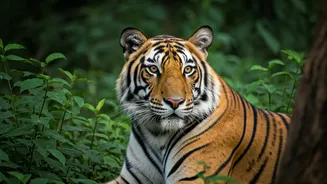
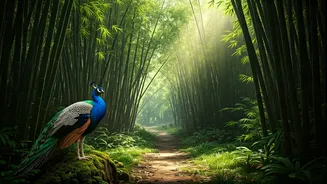
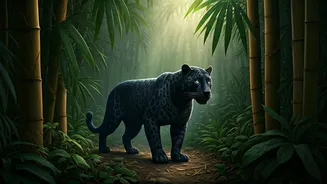
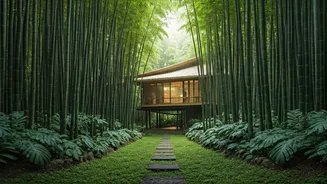
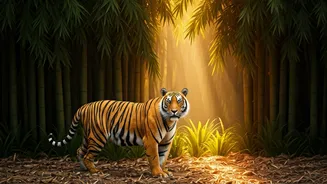
A safari in Kabini is a game of patience and perception. As your jeep navigates the dusty tracks, the world is filtered through a screen of green and gold bamboo. The dense groves create natural corridors that animals use for cover and passage. Light filters through the canopy in shifting patterns, making spotting wildlife a thrilling challenge. A flash of orange and black could be a majestic Bengal tiger slipping between the stalks, while a rustle high above might reveal a giant squirrel or a troupe of langur monkeys. The bamboo deadens sound, creating an atmosphere of hushed anticipation. This isn’t about scanning a wide-open plain; it’s about tuning your senses to the subtle signs of life right in front of you—a footprint in the dust, a distant alarm call from a deer, or the sudden, heart-stopping appearance of a leopard lounging on a tree branch that emerges from the bamboo canopy.
The Stars of the Show
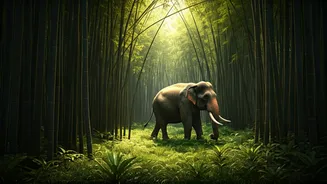
While the elusive big cats are a primary draw, Kabini’s magic lies in its diversity. It boasts one of the highest densities of predators in India. It's considered one of the best places in the world to reliably spot the famously shy leopard. Bengal tigers also roam these forests, though they remain masters of camouflage. But the experience is far from just cats. Kabini is home to massive herds of Asiatic elephants, often seen bathing and playing along the riverbanks, especially during the dry season. Packs of dholes, or Indian wild dogs, are another charismatic highlight, known for their complex social structures and formidable hunting skills. Add to this sloth bears, crocodiles, and over 300 species of birds, and you have a wildlife spectacle that delivers at every turn. A boat safari on the Kabini reservoir offers a completely different perspective, revealing aquatic birds and mammals congregating at the water's edge.
What 'Low-Impact' Really Means Here
The term “eco-tourism” is used widely, but Kabini is a region where it’s put into practice. The low-impact model is built on a foundation of strict regulation and community partnership. The Forest Department limits the number of vehicles allowed into the park for each safari, preventing the overcrowding that plagues many other popular reserves. This not only reduces stress on the animals but also ensures a more exclusive and respectful viewing experience for visitors. Safari operators, most notably the government-run Jungle Lodges & Resorts, employ local naturalists and guides who possess deep, generational knowledge of the forest. A significant portion of the revenue generated from tourism is funneled back into conservation efforts and the economic well-being of local communities, creating a sustainable cycle where preserving nature directly benefits the people who live alongside it.
Planning Your Journey
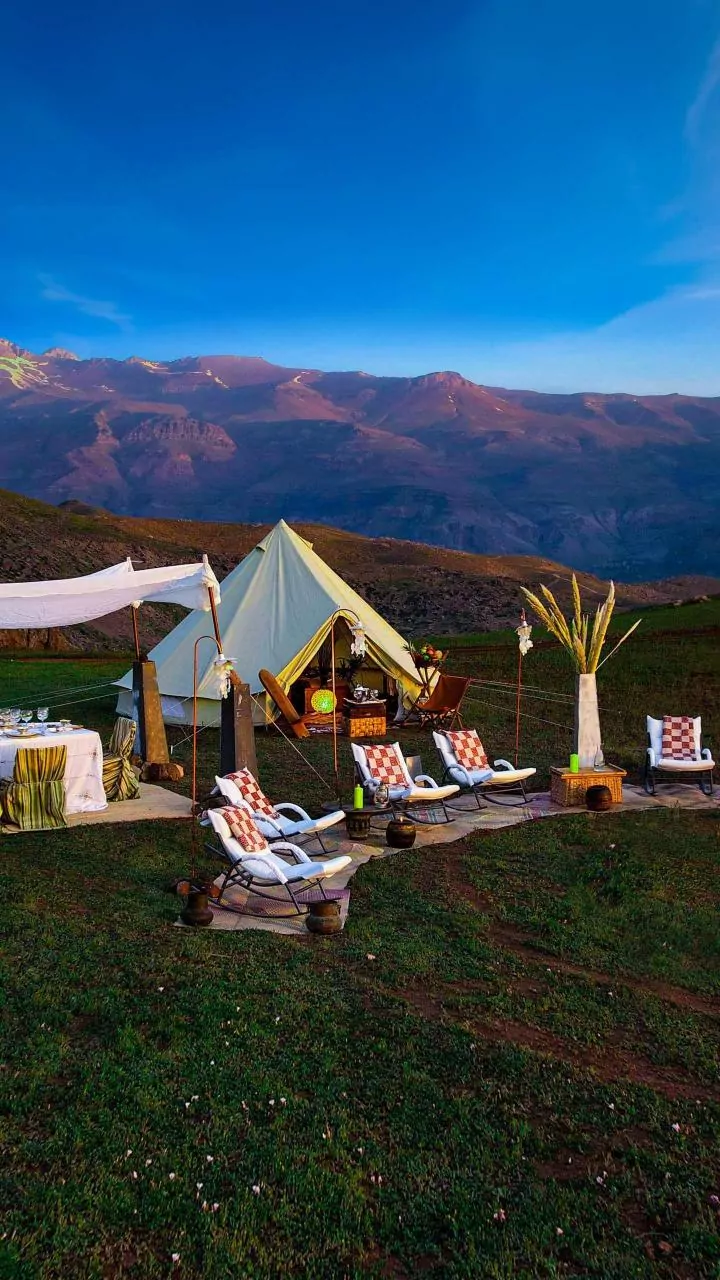
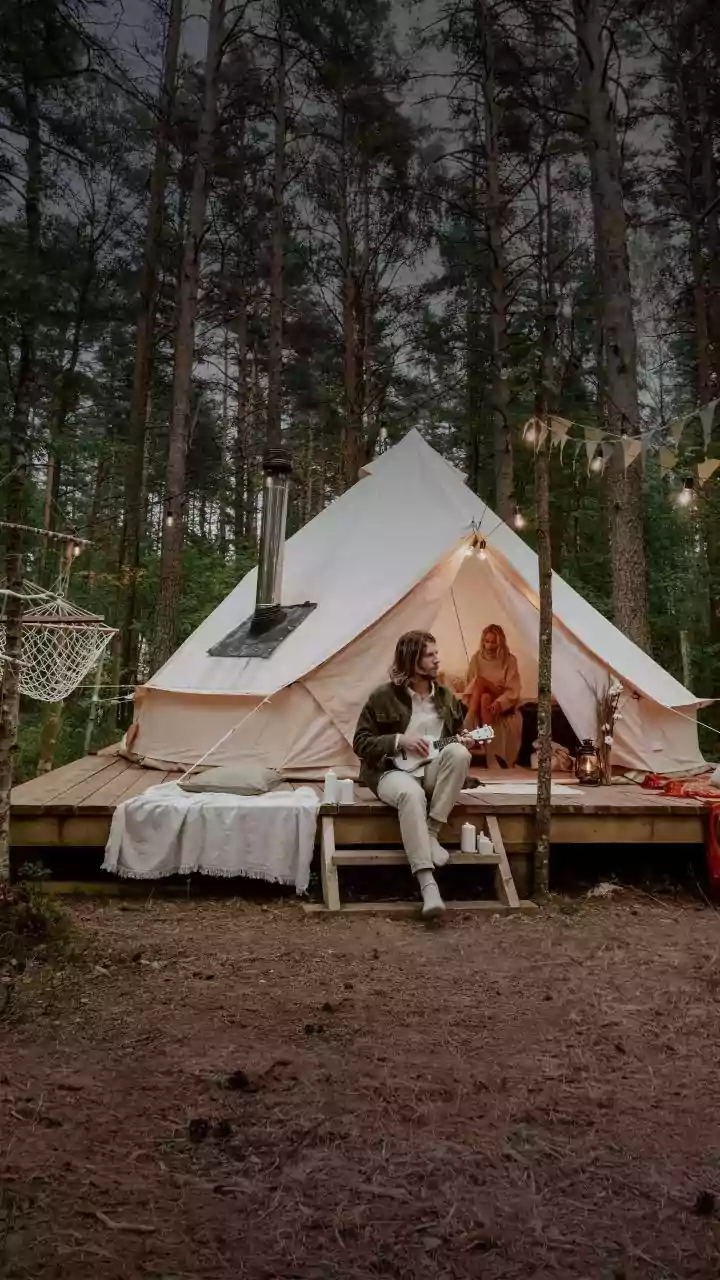
The best time to visit Kabini is during the dry season, from October to May, when water sources are scarce and animals congregate more predictably around the river and man-made waterholes. The summer months (March to May) are particularly good for spotting large mammals. However, the monsoon season (June to September) offers its own charm, transforming the forest into a vibrant, emerald-green paradise, though sightings can be more challenging. Most lodges in the area offer all-inclusive packages that cover accommodation, meals, and two safaris per day—typically one by jeep and one by boat. The focus is less on five-star luxury and more on comfortable, immersive lodging that keeps you connected to the wild surroundings.