









An Oasis Above the Chaos
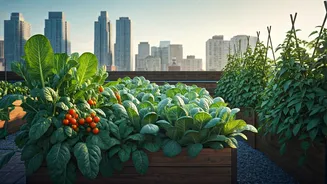
Picture a typical high-rise terrace in a city like Chennai or Delhi. For decades, it was a forgotten space, home to water tanks, satellite dishes, and discarded furniture. Today, that same space might be a vibrant green sanctuary. Rows of grow bags and recycled
containers overflow with plump tomatoes, leafy spinach, bright green chilies, and fragrant herbs like mint and coriander. The air, thick with city smog just a few floors below, here carries the scent of damp earth and fresh basil. This isn't a niche hobby for a select few; it's a rapidly growing movement, driven by a powerful desire for control over what ends up on the dinner plate.
The Quest for Clean Food
The primary driver behind India’s rooftop farming boom is a deep-seated concern about food safety. In a country where supply chains can be long and opaque, consumers are increasingly wary of produce laden with chemical pesticides and artificial ripening agents. Reports of contaminated vegetables sold in local markets have become commonplace, pushing urban families to seek out alternatives. Growing their own food provides an elegant solution. It offers complete transparency—they know exactly what went into their food, from seed to harvest. For many, the ability to pluck a handful of pesticide-free mint for their evening tea or harvest organic okra for a family meal is a form of empowerment, a reclamation of health in a challenging environment.
From Hobby to Urban Movement
What started as individual passion projects has coalesced into a full-blown movement, fueled by social media and a network of urban gardening consultants. Facebook groups and WhatsApp communities with tens of thousands of members share tips on composting, pest control, and seasonal planting. Weekend workshops on terrace gardening are consistently sold out in major cities. Entrepreneurs have also stepped in, offering services that range from setting up initial gardens to providing ongoing maintenance. These companies make it easier for busy professionals and families to get started, delivering everything from soil and seeds to self-watering planters, effectively lowering the barrier to entry for aspiring urban farmers. This ecosystem has turned rooftop gardening from a daunting task into an accessible lifestyle choice.
More Than Just Vegetables
The benefits of this green revolution extend far beyond the kitchen. These rooftop patches have become hubs for community building. Neighbors who previously only exchanged passing greetings now bond over gardening successes and failures, sharing seeds and surplus harvests. For children growing up in concrete jungles, these gardens are living classrooms, teaching them where food comes from in a tangible, exciting way. Furthermore, these green spaces provide a much-needed mental health boost, offering a quiet, therapeutic escape from the stresses of city life. On a larger scale, clusters of rooftop gardens can help mitigate the urban heat island effect, subtly cooling their immediate surroundings and providing tiny but vital habitats for birds and pollinators.