


First, What Is a Thali?
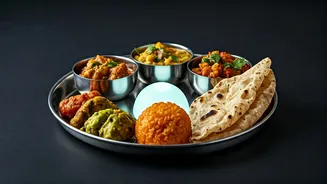
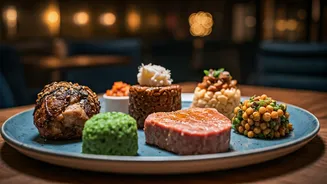
Before we get to the revolution, let’s talk about the institution. A thali (rhymes with 'folly') is a round platter that serves as the canvas for a complete Indian meal. It’s not one dish; it’s a constellation of them. In small metal bowls called katoris,
you’ll find a selection of regional specialties: perhaps a lentil dal, a couple of vegetable preparations, a yogurt raita, pickles, and a dessert. This is served with rice, flatbreads like roti or naan, and maybe a papadum cracker. The genius of the thali is its built-in balance, rooted in Ayurvedic principles. It’s designed to hit all six tastes—sweet, salt, sour, pungent, bitter, and astringent—creating a satisfying and holistic eating experience. From the Gujarati thali with its hints of sweetness to the fiery Rajasthani version, each region has its own proud interpretation. For decades, it’s been the definitive way to sample the breadth of a region’s cuisine in one sitting.
The Old Problem: The Food Coma
For all its culinary brilliance, the traditional thali comes with a well-known side effect: the post-lunch food coma. Often rich, heavy on carbs, and served in generous portions (sometimes with unlimited refills), a classic thali can feel like a delicious anchor dropped in your stomach. It’s the kind of meal that demands a leisurely afternoon and perhaps a nap—a luxury that doesn't quite fit into the high-octane schedule of a modern urban professional. In the bustling tech hubs of Bangalore, Mumbai, and Gurgaon, young Indians are working longer hours, juggling side hustles, and trying to squeeze in a workout. The hearty, sleep-inducing lunch of their parents’ generation is becoming a liability. They crave the comfort and flavors of home-style Indian food, but they can’t afford the metabolic price tag. This created a gap in the market—a hunger for tradition, but without the baggage.
The 'Surprise Energy' Factor
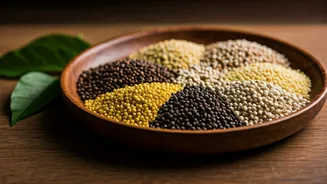
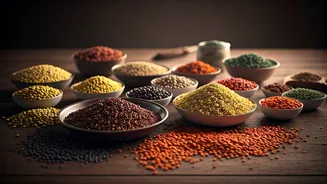
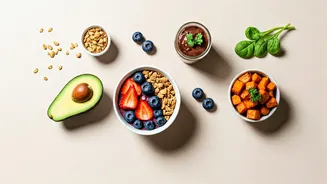
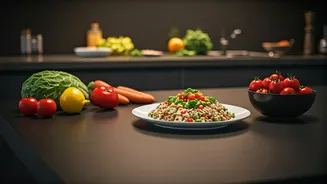
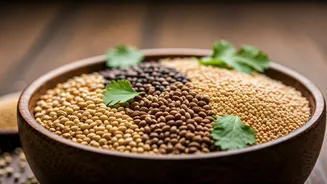
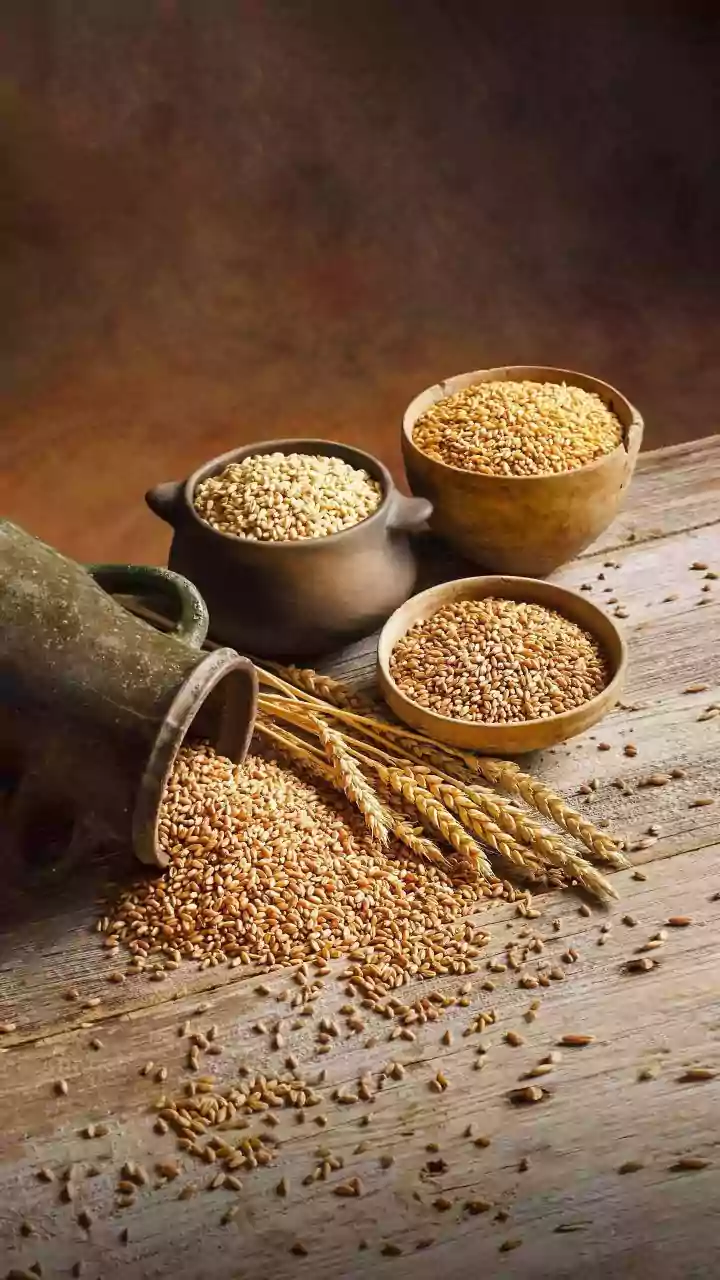
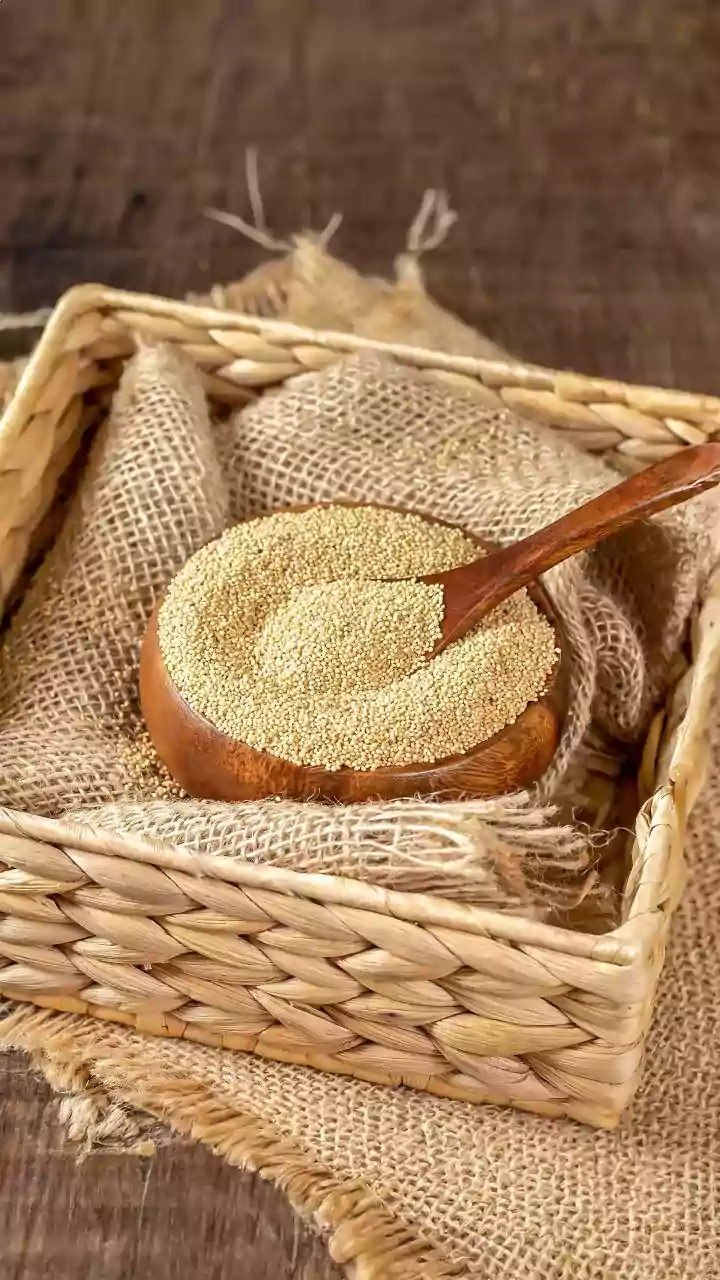
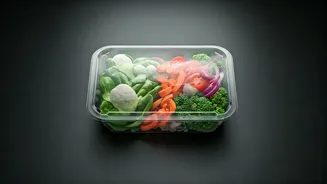
This is where the “surprise energy” comes in. It’s not an energy drink mixed into the dal. It’s a complete reimagining of the thali’s composition and delivery, driven by a new wave of food-tech startups. These companies are deconstructing the thali and rebuilding it for the 21st-century Indian. The energy comes from several sources. First, the food itself is lighter. Refined grains are swapped for whole grains like millet and quinoa. Heavy, cream-based sauces are replaced with fresher, vegetable-forward preparations. Portion sizes are controlled and calorie counts are often listed, catering to a health-conscious demographic. The result is a meal that provides fuel, not fatigue. Second, the energy is in the business model. These new-age thalis are often born in “cloud kitchens”—delivery-only operations with no storefront—which allows them to be nimble, data-driven, and hyper-focused on logistics. They operate on subscription models, delivering daily changing menus to office workers and families, effectively becoming a modern, healthier version of the city’s famed dabbawalas (traditional lunchbox delivery men).
An Appetite for Modernity
This trend speaks volumes about the aspirations of young, urban India. This is a generation that grew up with global influences but has a renewed pride in its local roots. They don’t want to eat a sad desk salad; they want the complex, soul-satisfying flavors of Indian food. But they also demand the convenience, transparency, and wellness focus they see in global brands. These startups are meeting them right in the middle, using Instagram-friendly branding and seamless app interfaces to sell a product that feels both authentically Indian and globally current. They are selling the idea that you can honor your heritage without being weighed down by it—literally. The thali is no longer just a meal; it's a lifestyle choice, a productivity hack, and a reflection of a new Indian identity that is confident, pragmatic, and always on the move.