
From Inconvenience to Main Attraction
For decades, India’s monsoon season, which typically runs from June to September, was considered the absolute off-season for tourism. Heavy downpours, humidity, and the potential for travel disruptions made it a period to be endured, not celebrated. Tourists,
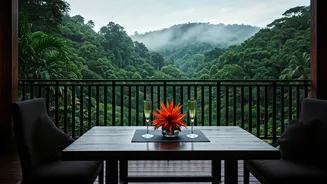
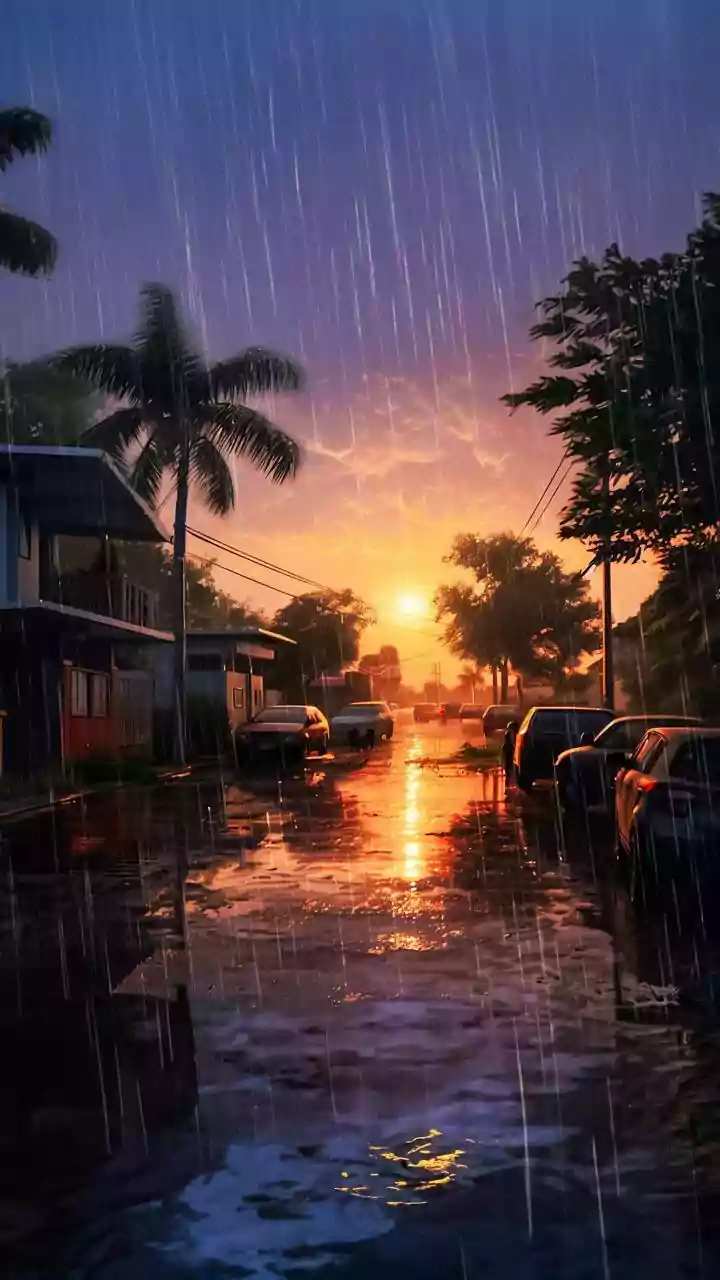
both domestic and international, traditionally flocked to the country during the cooler, drier winter months. But a significant cultural and commercial shift is underway. What was once seen as an inconvenient logistical nightmare is being rebranded as an immersive, atmospheric experience. Travel companies, which once shuttered operations, are now offering curated “monsoon packages.” Hotels in prime locations are seeing occupancy rates spike during these traditionally lean months. The new travel philosophy is simple: don’t avoid the rain; chase it. This change is driven by a desire for a different kind of vacation—less about ticking off sights and more about soaking in a mood, quite literally.
The Bollywood Romance Effect
The “cinematic” quality of this trend isn't an accident; it’s deeply rooted in Indian pop culture, specifically Bollywood. For generations, Indian cinema has used the monsoon as a powerful narrative device. A sudden downpour is never just rain; it’s a catalyst for romance, a backdrop for profound emotional turning points, or a symbol of cleansing and rebirth. Countless iconic film scenes feature star-crossed lovers sharing a first glance under a dripping awning or dancing with abandon in a rain-soaked street. This long-standing romanticism has created a powerful cultural shorthand. For many Indians, the monsoon is inherently dramatic and poetic. The current travel trend is simply an extension of this fantasy, allowing people to step into their own personal movie scene. They aren’t just traveling in the rain; they are seeking out the feeling that Bollywood has told them is waiting there—a sense of main-character energy set against a dramatic, water-washed landscape.
Where the Rain Falls Differently
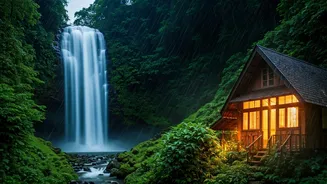
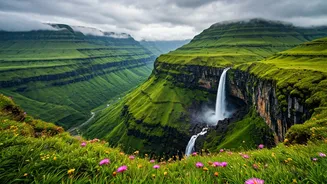
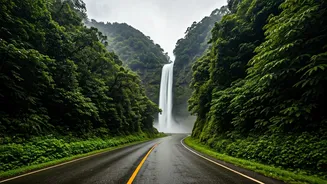
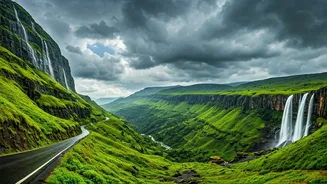
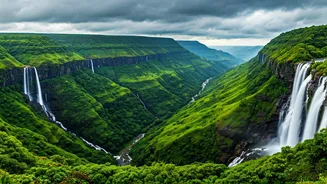
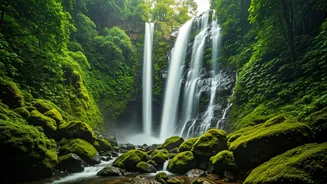
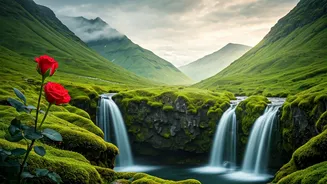
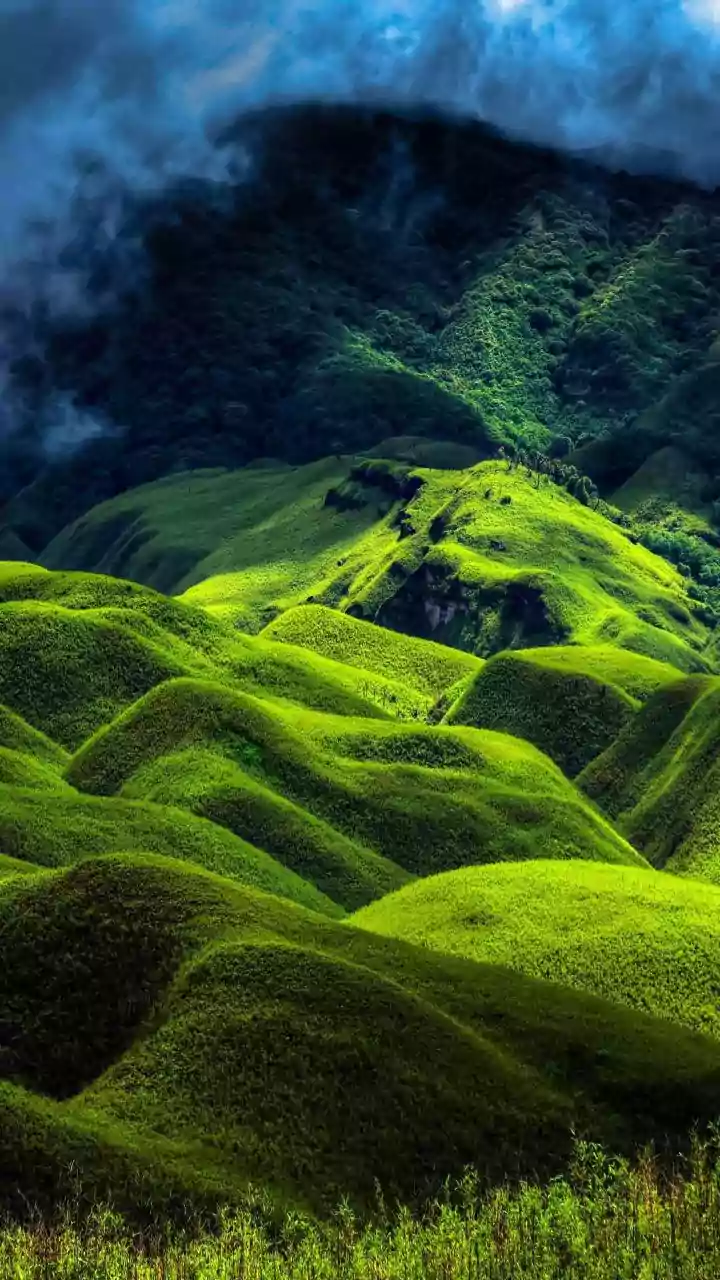
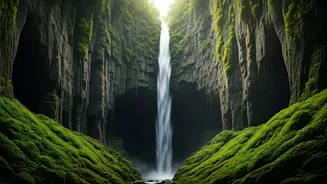
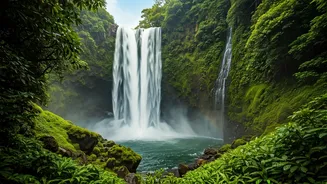
Not all monsoon destinations are created equal. The trend has elevated specific regions where the rains transform the environment into something magical. Kerala, in southern India, becomes a lush, emerald paradise. Its famous backwaters are serene and misty, and the scent of wet earth and fresh spices hangs in the air. Goa, known for its beaches and parties, takes on a different persona. The crowds disappear, replaced by a quiet, contemplative atmosphere. The rice paddies turn a vibrant green, and travelers can enjoy the empty shores from the comfort of a cozy café. Further north, in the hills of Maharashtra near Mumbai and Pune, destinations like Lonavala and Malshej Ghat become hubs for weekend getaways. Here, the monsoon brings dramatic waterfalls cascading down mountainsides and a cool fog that envelops the landscape, offering a dramatic escape from city heat. Each destination offers a unique version of the monsoon experience, from tranquil to spectacularly dramatic.
Driven by the Gram and a New Outlook
Modern technology has played a crucial role in amplifying this trend. Instagram and other visual social media platforms are perfectly suited for the aesthetic of the monsoon. A photo of a lone figure with an umbrella against a backdrop of misty mountains, or a video of rain lashing against a window with a cup of hot chai in the foreground, is instantly shareable and evocative. The hashtag #monsoontravel is filled with moody, atmospheric shots that romanticize the experience. Furthermore, the global pandemic reshaped travel habits. With international borders closed, many Indians turned to domestic exploration, discovering the beauty in their own backyards. This inward turn fostered a new appreciation for local landscapes and seasons. The monsoon holiday isn't just about getting away; it's about seeing a familiar place with fresh eyes and finding beauty not in the perfect, sunny day, but in the dramatic, life-giving force of the rain itself.