


The Golden Cage of Wellness
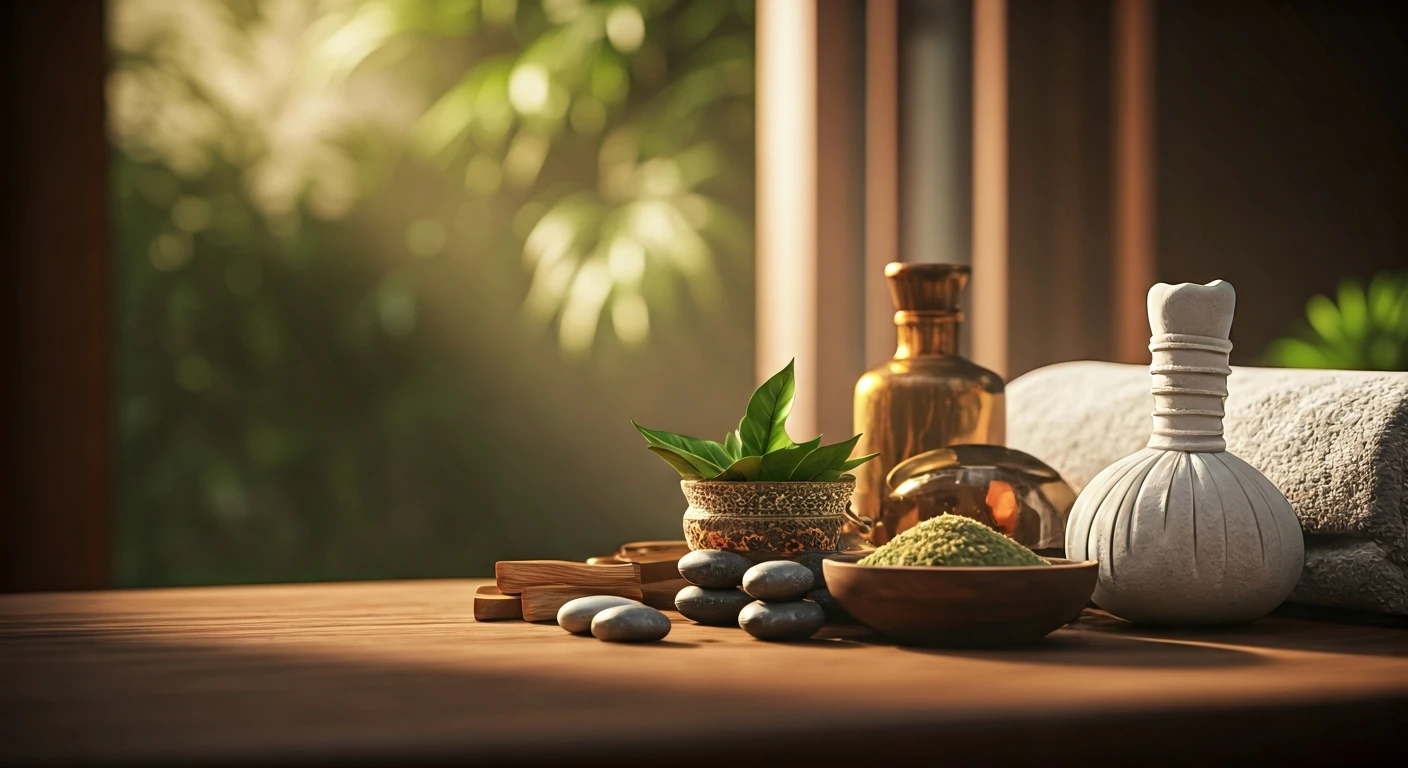
For years, the word “Ayurveda” in the West has been synonymous with luxury travel. Think sprawling resorts in Kerala or Bali, where ancient wellness principles are presented in a polished, palatable package. Guests enjoy personalized consultations, multi-course
meals designed for their *dosha* (body type), and a menu of blissful treatments like *shirodhara* (warm oil dripped on the forehead) and *abhyanga* (a synchronized four-hand massage). There’s nothing wrong with this model. It’s relaxing, restorative, and has served as a gentle, effective introduction to a 5,000-year-old system of medicine for millions. But it’s an introduction, not the full story. This “resort Ayurveda” often isolates the practice from its cultural and spiritual roots, transforming a holistic life science into a series of premium spa services. The experience is curated for comfort, insulating travelers from the vibrant, sometimes chaotic, reality of the place where Ayurveda is a living tradition, not a line item on a resort bill.
The Search for Deeper Meaning
So, what’s driving the shift? It’s part of a broader evolution in travel, moving away from passive consumption toward active, transformative experiences. Today’s wellness traveler isn’t just looking to de-stress; they’re often seeking answers, personal growth, or a genuine connection to another way of life. They’ve done their homework. They know that Ayurveda is more than just a good massage—it's a comprehensive system encompassing diet, herbal medicine, philosophy, and daily routines designed to harmonize mind, body, and spirit. For this new wave of travelers, the resort bubble feels limiting. They want to see where the herbs are grown, learn to cook the food themselves, and consult with a *vaidya* (a traditionally trained Ayurvedic doctor) in a humble local clinic, not a marble-floored spa office. The goal isn't just relaxation; it's education and immersion. They want to understand the “why” behind the practices, not just enjoy the pampered results. This desire for authenticity is pushing them beyond the manicured lawns and into the heart of local communities.
What 'Beyond the Bubble' Looks Like
Venturing beyond the resort can take many forms. For some, it means seeking out a traditional *vaidyashala* or clinic in India, often family-run for generations. These establishments are functional, not luxurious. Accommodations are simple, the food is prescriptive and medicinal, and the focus is purely on healing. This is where you’d go for a serious *Panchakarma*—a deep, multi-week detoxification program that is far more intense than its watered-down resort equivalent. For others, it might mean staying in an ashram that integrates Ayurvedic principles with yoga and meditation, offering a spiritual context that’s often absent in secular resorts. Another popular option is a homestay with a family that lives and breathes Ayurveda, offering a chance to participate in daily life, from shopping at the local market for specific vegetables to learning family recipes in the kitchen. These experiences are less about being served and more about participating. They replace the predictable comfort of a resort with the rich, unpredictable texture of real life.
It’s a Journey, Not a Vacation
It’s crucial to understand that stepping outside the bubble means trading curated comfort for authentic complexity. The experience can be challenging. Language barriers may exist, the food will be medicine first and gourmet second, and the rhythm of life will be dictated by treatment schedules, not your personal whim. It requires a mindset shift from “customer” to “student.” The rewards, however, are profound. Travelers often return not just feeling rested, but fundamentally changed. They gain a deeper understanding of their own health, a tangible connection to a rich cultural heritage, and a set of practical tools they can integrate into their daily lives back home. This kind of travel doesn't just offer a temporary escape; it provides a new perspective. You don't just leave with a tan; you leave with knowledge.