



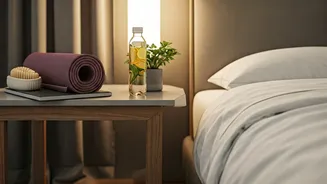
From Buzzword to Standard Practice
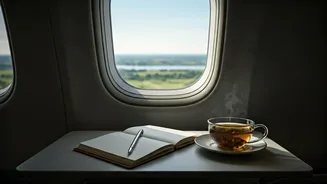
For years, ‘bleisure’—the portmanteau for blending business and leisure travel—was a quirky buzzword. It usually meant tacking a Saturday onto a Friday conference in a new city or using your hotel’s sad, windowless gym before a day of meetings. It was an afterthought,
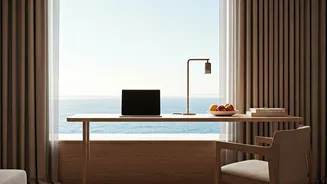
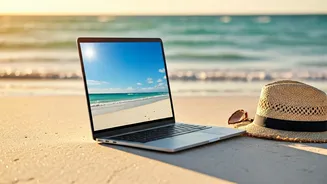
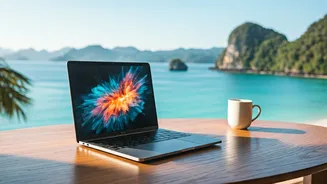
a way to squeeze a little life out of a corporate obligation. But that version of bleisure is a thing of the past. Today, it has matured into a deliberate and sophisticated travel style, driven by a fundamental shift in how we think about work. Post-pandemic flexibility and the rise of remote-first policies have transformed bleisure from a stolen weekend into the main event. It's no longer about extending a trip; it's about designing a trip that seamlessly integrates both productive work and genuine, high-quality leisure.
The Upgrade: What 'Luxe Bleisure' Looks Like
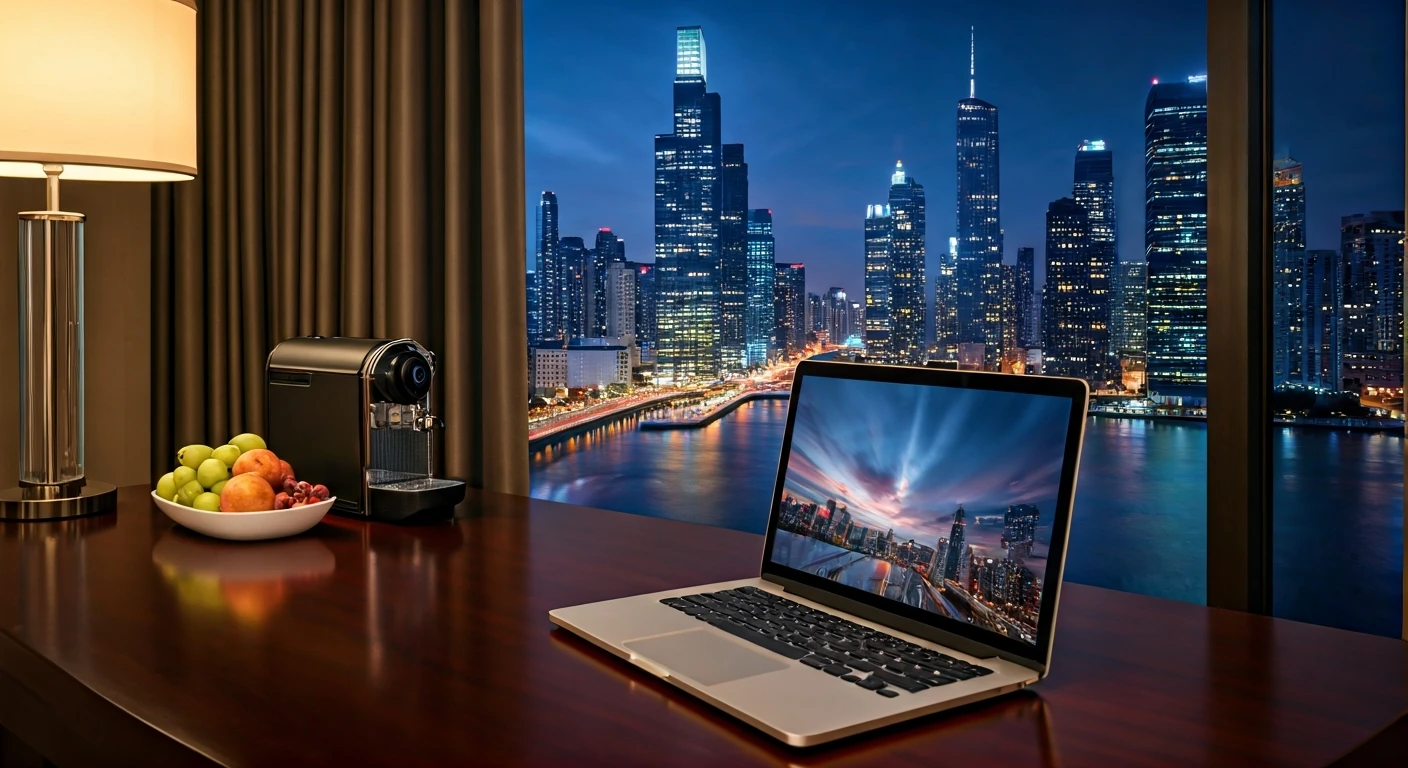
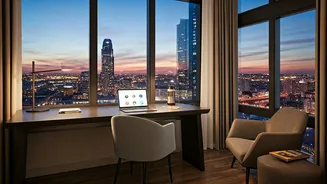
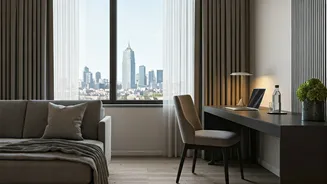
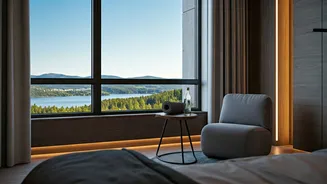
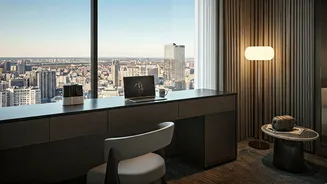
So, what makes this new era of bleisure so “luxe”? It’s about intention and amenities. Instead of a standard chain hotel room, professionals are opting for high-end, apartment-style suites or boutique hotels that offer more than just a desk and a coffee maker. Think properties with stylish, dedicated co-working spaces, soundproofed rooms designed for video calls, and lightning-fast Wi-Fi as a given. The luxury element extends beyond the room itself. High-end bleisure travelers are seeking curated local experiences. Instead of a lonely room service burger, they’re booking a hotel-arranged private cooking class or a guided neighborhood art walk after their last meeting. Companies like Inspirato and high-end hotel chains like Mandarin Oriental are leaning into this, offering extended-stay packages that bundle premium accommodations with wellness perks, private tours, and access to exclusive clubs. It’s a holistic approach that treats the traveler as a person, not just an employee.
Why the Trend Is Accelerating Now
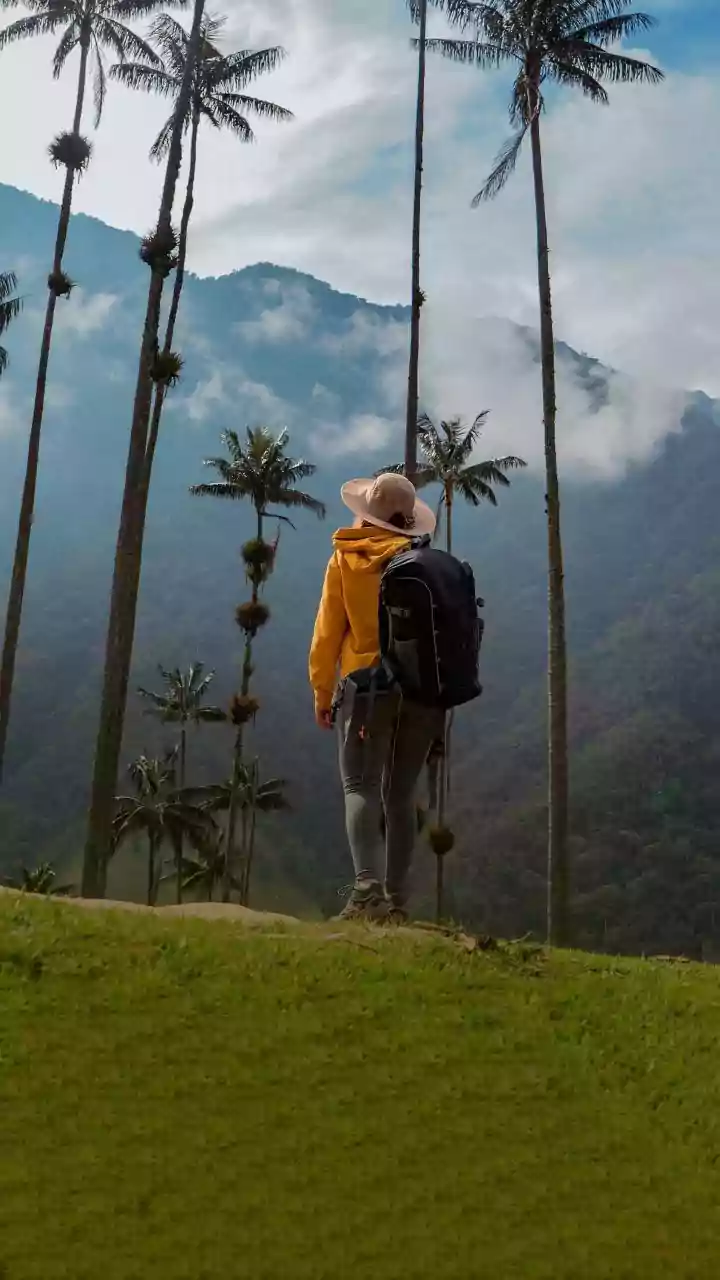
This evolution isn’t happening in a vacuum. Several powerful forces are driving the upscale bleisure boom. First and foremost is the normalization of remote and hybrid work. When you can work from anywhere, “anywhere” suddenly becomes a much more appealing prospect than your spare bedroom. A week-long trip to a new city, where you work four full days and explore for three, is no longer a logistical nightmare but a feasible, even encouraged, way to work. Second, there's the battle for talent. In a competitive job market, companies are using flexible travel policies as a powerful retention tool. Empowering employees to take “work-from-anywhere” weeks or to extend business trips for personal time is a sought-after perk that signals a company’s commitment to work-life balance. Finally, there’s a collective cultural shift. After years of burnout and travel restrictions, professionals are placing a higher value on meaningful experiences and personal well-being, and they’re willing to invest their own money to upgrade the “leisure” portion of their business travel.
A Redefined Relationship with the Office
Ultimately, the rise of luxury bleisure reflects a profound redefinition of our relationship with work and place. The office is no longer the sole hub of productivity, and travel is no longer a strict binary of business or pleasure. This new model benefits both the traveler and the travel industry. For professionals, it offers a sustainable way to combat burnout, see the world, and maintain productivity without being tethered to a single location. For the hospitality sector, it’s a golden opportunity. Bleisure travelers tend to stay longer, spend more on amenities and experiences, and often travel during off-peak seasons. Hotels and travel companies that understand this shift—and cater to it with thoughtful, high-quality offerings—are positioning themselves at the forefront of the future of travel.