







The Official Warning From India
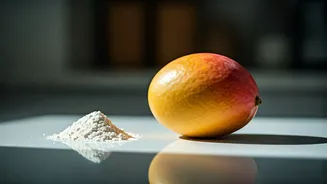
The Food Safety and Standards Authority of India (FSSAI) has once again cracked down on a dangerous and illegal practice: the use of calcium carbide to artificially ripen mangoes. The chemical, often used in welding, is banned for food use in India but
persists due to market pressures. When calcium carbide comes into contact with moisture, it produces acetylene gas, which mimics the natural ripening hormone, ethylene. This process rapidly changes the fruit's color and texture, making green, raw mangoes appear ready for sale in just a day or two. The FSSAI's advisory serves as an annual reminder for consumers to be vigilant, as traders race to meet the massive seasonal demand for the 'king of fruits.'
The Pressure to Ripen
Why would anyone use industrial chemicals on food? The answer lies in simple economics. Mangoes are a highly seasonal and perishable crop. Farmers often harvest them while still raw to ensure they survive the long journey through the supply chain to urban markets. For sellers, the pressure to turn over inventory quickly is immense. Naturally ripened mangoes take time, which costs money in storage and spoilage. Artificial ripening allows vendors to create a visually perfect, market-ready product on demand, regardless of the fruit's actual maturity. This shortcut boosts profits by minimizing waste and accelerating sales, especially at the beginning of mango season when prices and consumer excitement are at their peak.
Calcium Carbide's Hidden Dangers
The concern isn't just about eating a bland, unripe fruit disguised as a sweet one. Calcium carbide poses serious health risks. Industrial-grade versions of the chemical are often contaminated with heavy metals like arsenic and phosphorus. According to health experts and regulatory bodies, exposure to these substances can lead to a range of health issues, from mild stomach upset, dizziness, and headaches to more severe long-term neurological damage. The acetylene gas itself can affect the nervous system, and direct contact with the chemical can cause skin irritation or burns. Since the chemical is simply placed in packages with the fruit, residue can easily remain on the mango's skin and be transferred during peeling and cutting.
Your Five-Sense Mango Test
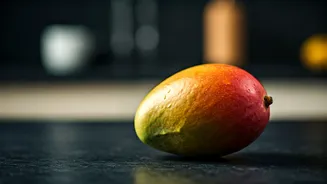
While the FSSAI warning is specific to India, the knowledge of how to spot an artificially ripened fruit is useful for any discerning shopper. Your senses are your best tool. First, look at the color. Artificially ripened mangoes often have a uniform, bright yellow or orange hue but may have patches of green, indicating uneven ripening. A naturally ripened mango has a more blended, organic gradient of yellow and red. Second, smell it. A ripe mango should have a sweet, fragrant aroma at the stem; a chemically ripened one might smell faintly of garlic or carbide. Third, check the feel and appearance. Does the fruit look too perfect and unblemished? Is it heavy for its size? Artificially ripened mangoes can feel a bit hard or puffy. Finally, the taste is the ultimate giveaway. A chemically forced mango will lack the deep, complex sweetness and may even have a slightly bitter or metallic aftertaste.
What About U.S. Supermarket Mangoes?
For American consumers, this news may spark a crucial question: Are the mangoes in my grocery store safe? The U.S. has its own robust regulatory system. The Food and Drug Administration (FDA) and the Department of Agriculture (USDA) oversee the safety of imported produce. Mangoes entering the U.S. are subject to inspection and must meet strict safety standards, which prohibit the use of calcium carbide. The primary method used for ripening mangoes for the U.S. market is controlled exposure to ethylene gas—the same hormone the fruit produces naturally—in specialized ripening rooms. This process is considered safe and is used for many other fruits, including bananas and avocados. While the risk of encountering a carbide-ripened mango in a major U.S. supermarket is very low, buying from reputable vendors is always the best practice.