

More Than Just Minimalism
When you hear “calm layout,” your mind might jump to the stark, white-walled minimalism of the early 2000s—a style that often felt more like an art gallery than a home. But today’s approach is fundamentally different. This isn’t about deprivation; it’s
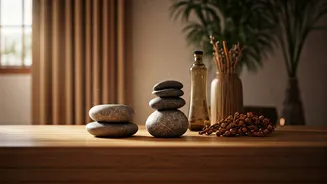
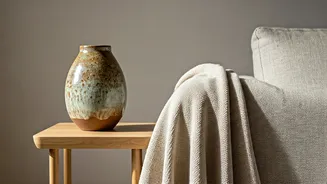
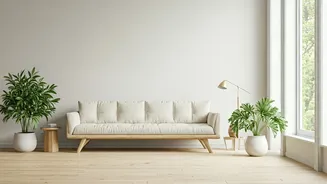
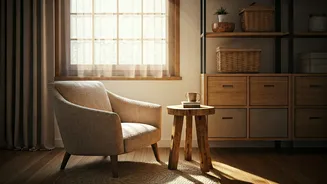
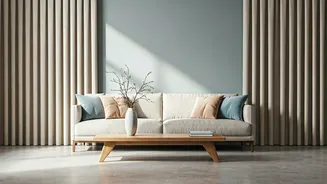
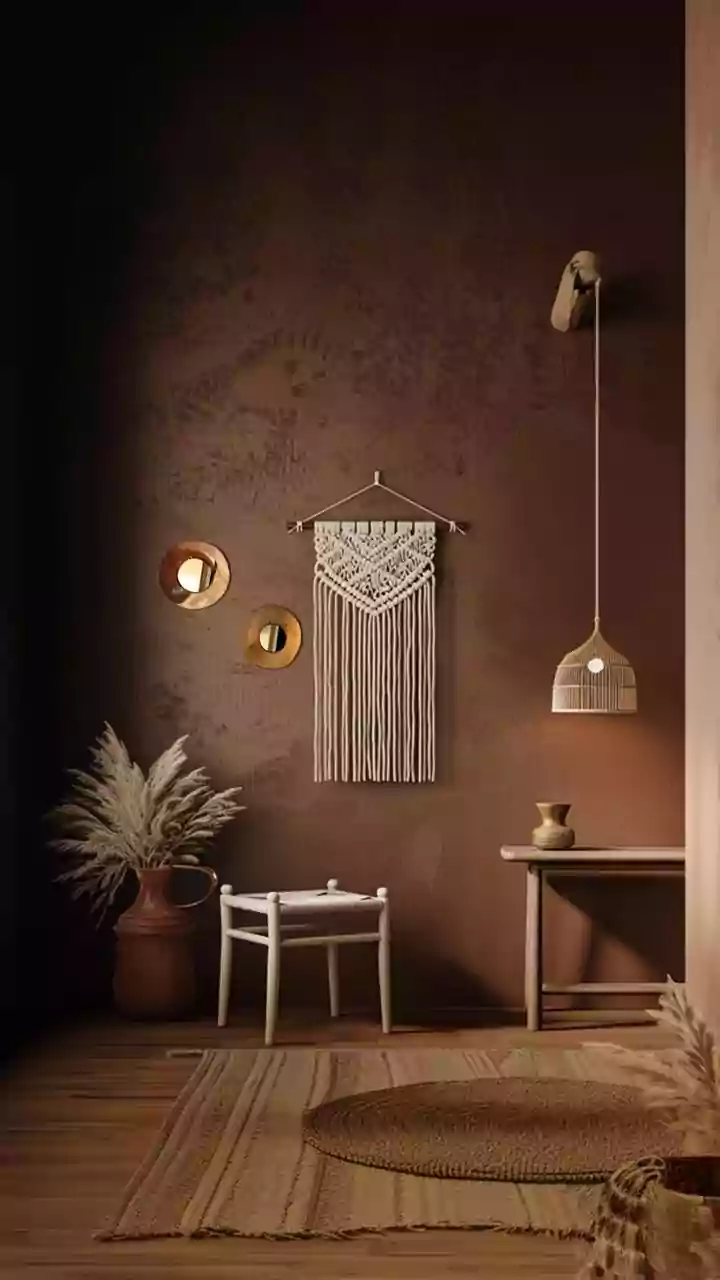
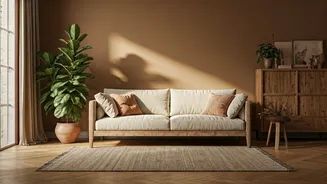
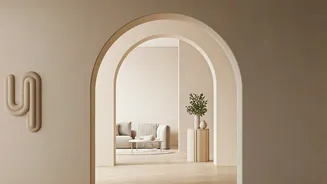
about intention. A calm layout is warm, textured, and deeply personal. It’s defined by clean lines, yes, but also by natural materials like worn wood, soft linen, and tactile stone. The focus is on creating a sensory experience that soothes rather than stimulates. Think of the Japanese concept of *Ma*—the value of empty space—or the Scandinavian embrace of *Hygge*, which prioritizes coziness and contentment. A calm layout isn't empty; it's edited. Every object in the space has a purpose, a story, or brings a specific joy, freeing up physical and mental room to breathe.
The Psychology of Sanctuary
The driving force behind this trend is less about aesthetics and more about psychology. After years of our homes doubling as offices, schools, and gyms, there’s a collective craving for a true sanctuary—a place to decompress and disconnect from the demands of the outside world. An uncluttered environment has been linked to reduced cortisol levels, the body’s primary stress hormone. When our visual field is clear, our minds are better able to focus and relax. A calm layout acts as a sort of environmental therapy. It’s a deliberate rejection of the “hustle culture” ethos that bled into our personal spaces. The luxury here is the quiet, the mental clarity, and the permission to do nothing. It’s a space designed not for showing off, but for shutting down.
Luxury Redefined: From 'More' to 'Meaning'
For decades, luxury in interior design was synonymous with conspicuous consumption: rare marble, gold-plated fixtures, and rooms overflowing with expensive artifacts. It was a visual demonstration of wealth. The shift towards calm layouts signals a profound change in what affluent and design-conscious Americans value. The new luxury is experiential. It’s the feeling of sunlight flooding an uncluttered room, the quiet hum of a home free of non-essential noise, and the mental peace that comes from a well-ordered environment. High-end designers report clients are now asking for integrated, invisible storage to hide away life’s clutter, and are investing in high-quality, sustainable materials that feel good to the touch. The status symbol is no longer a flashy brand name, but a home that functions as a seamless and serene backdrop for a well-lived life.
The Elements of a Calm Home
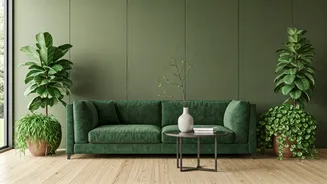
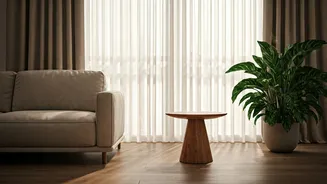
Achieving this sense of calm isn’t about a specific formula, but a set of principles. It starts with a decluttering process that’s honest about what’s truly necessary. Storage is a hero, with built-in cabinetry and clever solutions that keep surfaces clear. The color palette is often inspired by nature—soft greens, earthy browns, and a spectrum of whites and grays—to create a cohesive, restful backdrop. Natural light is maximized, with window treatments kept simple and unobtrusive. Artificial lighting is layered and warm, designed to be adjusted for mood. Finally, technology is integrated thoughtfully, not allowed to dominate. This could mean creating screen-free zones or hiding wires and devices within custom furniture. The goal is to design an environment that supports your well-being, where every element works in harmony to create a feeling of effortless peace.