







The Rise of 'Moody Travel'
Forget the endless pursuit of perfect blue skies. A growing cohort of travelers is embracing what’s being called “moody travel” or “pluviophile tourism”—the intentional choice of destinations known for their dramatic, overcast, and often rainy weather.
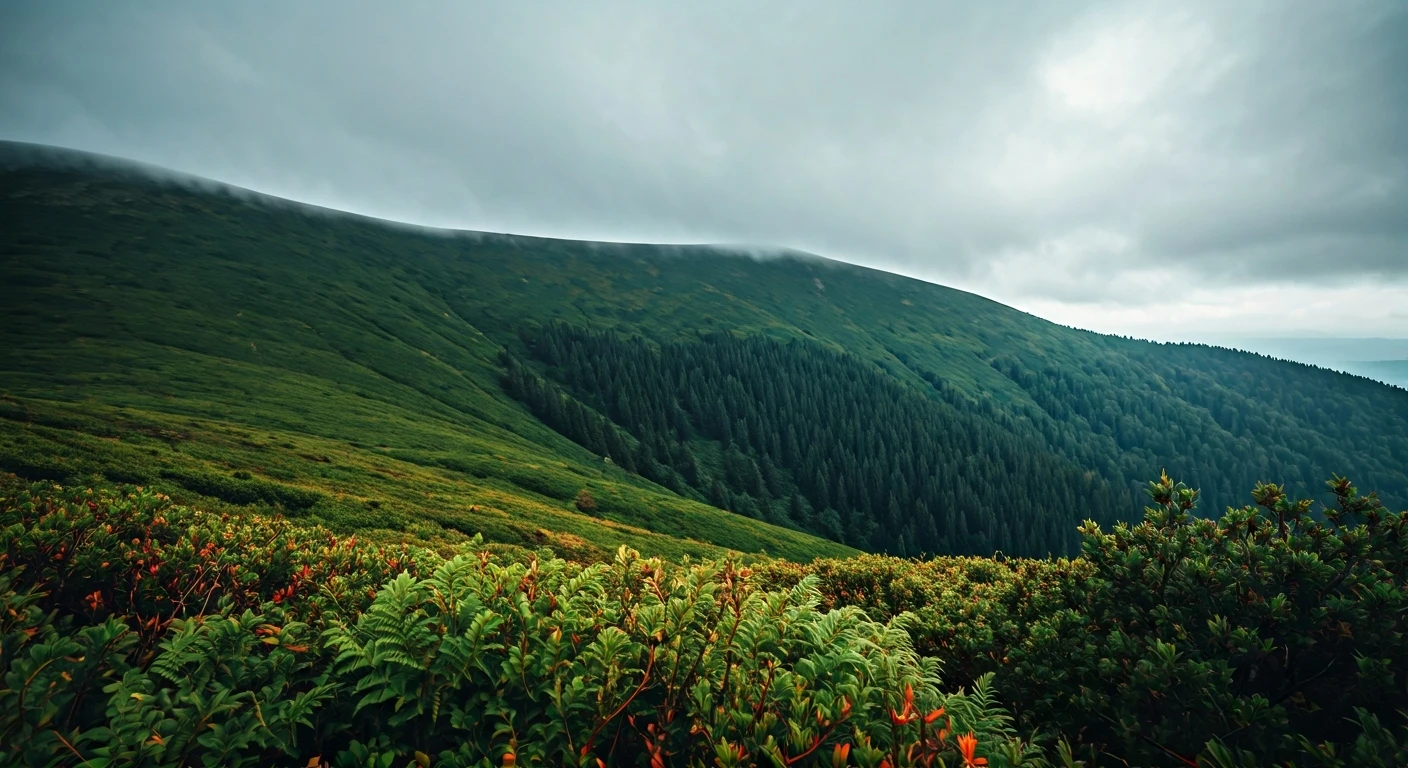
This isn't about a ruined holiday; it's about finding beauty in the atmosphere. Think misty Scottish Highlands, foggy mornings on the Oregon coast, or the cozy gloom of a Dublin pub on a drizzly afternoon. This trend taps into a desire for experiences that feel more profound and cinematic than a standard beach holiday. It swaps the vibrant saturation of a tropical paradise for the subtle, painterly tones of a landscape under cloud cover. For these travelers, the weather isn't an obstacle to be overcome; it’s the main attraction.
A Backlash Against 'Perfect' Vacations
A significant driver of this trend is a subtle rebellion against the pressure of the “perfect” vacation. Social media has created an unspoken mandate to perform happiness, documenting every sun-kissed moment and flawless sunset. A rainy trip inherently offers an escape from that expectation. There’s no pressure to have a beach body, to get the perfect tan, or to fill every moment with high-energy activities. Instead, the focus shifts inward. Gloomy weather provides a natural permission slip to slow down, read a book, have long conversations, or simply sit by a window and watch the rain fall. It’s a move toward authenticity and away from the curated, often exhausting, performance of a picture-perfect life. A cloudy day doesn't feel like a failure; it feels like an opportunity for a different kind of rest.
The Global Appeal of Coziness
The Danish concept of *hygge*—a feeling of cozy contentment and well-being—went global years ago, and moody travel is its natural extension. The appeal of a rainy destination is inextricably linked to the promise of a warm, sheltered refuge. It’s the satisfying contrast between a wild, blustery world outside and the comforting sanctuary of a cabin with a fireplace, a snug café, or a historic library. This desire for coziness explains why destinations like the Pacific Northwest, New England, Ireland, and Scandinavia are becoming prime spots for this type of travel, especially in the off-season. These places have built an identity around indoor comforts that complement their dramatic weather, offering world-class coffee shops, welcoming pubs, and charming inns that truly shine when the skies turn gray. The trip becomes less about what you do outside and more about the quality of the shelter you find.
Finding Beauty in the Overcast
Beyond the psychological benefits, many travelers are discovering that overcast conditions offer their own unique aesthetic rewards. Photographers have long known that soft, diffused light from a cloudy sky is often more flattering for portraits and landscapes than the harsh shadows of direct sun. The world simply looks different. Colors can appear richer, textures more pronounced. A forest shrouded in mist takes on a mystical quality that a sunny day can't replicate. This renewed appreciation for a different kind of beauty is also practical. Destinations known for their moody weather are often less crowded and more affordable during their shoulder or rainy seasons. This allows for a more intimate and personal connection with a place, free from the tourist throngs that often define peak-season travel. It’s a chance to see a popular destination in a new light, both literally and figuratively.