





The Science of Wet Hair
To understand why the post-shampoo routine is so critical, you have to understand what happens to hair when it's wet. Each hair strand is protected by an outer layer called the cuticle, which looks like overlapping shingles on a roof. Water and shampoo cause
these shingles to lift and swell. This is great for allowing cleansers to remove dirt and oil, but it also leaves the delicate inner core of your hair (the cortex) exposed and fragile. In this state, your hair is significantly weaker, more elastic, and far more susceptible to stretching, snapping, and friction damage. What you do—or don't do—in this fragile state determines whether your hair will be smooth, strong, and shiny or frizzy, dull, and prone to breakage.
Conditioner Isn’t an Optional Step
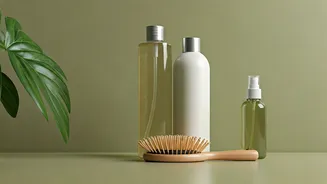
If shampoo opens the door, conditioner closes and locks it. This is the single most important step after cleansing. The primary function of conditioner is to smooth and seal the hair cuticle that was lifted during washing. A good conditioner, applied mainly to the mid-lengths and ends where hair is oldest and driest, deposits moisturizing and protective ingredients that detangle, reduce static, and fortify the hair shaft. Skipping conditioner leaves your hair cuticles raised and vulnerable, leading directly to frizz and damage. Think of it less as an extra product and more as the second, non-negotiable half of the washing process. For best results, gently squeeze excess water from your hair before applying it, allowing the product to penetrate more effectively without being diluted.
Rethink Your Towel-Dry Technique
The common impulse to vigorously rub hair with a rough terrycloth towel is one of the most damaging things you can do to it. Remember those raised, fragile cuticles? The friction from a rough towel acts like sandpaper, fraying the cuticle and causing immediate frizz and long-term breakage. This action is particularly harsh on fine, curly, or color-treated hair. The superior method is to gently squeeze and blot the water out. Better yet, switch to a tool with a smoother surface. An old, clean cotton t-shirt or a dedicated microfiber hair towel will absorb a surprising amount of water without creating a halo of frizz. This simple swap can dramatically reduce damage and improve your hair's texture over time.
Apply Products to Damp, Not Soaking, Hair
Once you've gently removed excess water, it's time for targeted treatments. Whether you use a leave-in conditioner, a detangling spray, a volumizing mousse, or a smoothing serum, applying it to damp—not soaking wet—hair is key. If your hair is too wet, the product gets diluted and can run right off, wasting its benefits. If it's too dry, the product may not distribute evenly and can leave hair feeling greasy or stiff. Damp hair is the perfect canvas. The remaining moisture helps evenly distribute the product from roots to ends, allowing it to work as intended. Use a wide-tooth comb, not a brush, to work the product through, starting from the ends and gently working your way up to the roots to prevent tearing fragile strands.
If You Use Heat, Protect It First
Air-drying is always the kindest option, but it isn’t always practical. If a blow-dryer is part of your routine, a heat protectant is non-negotiable. These products work by forming a protective barrier over the hair shaft, which helps to slow down heat conduction and distribute heat more evenly. This minimizes the damage caused by the intense, focused heat of a blow-dryer or flat iron, which can literally boil the water within the hair strand and cause it to rupture. Mist it on generously before you even think about turning on your dryer. For an even safer blow-dry, let your hair air-dry about 60-70% of the way first. Less time under the heat means less damage, period.