


The Beauty and the Bottleneck
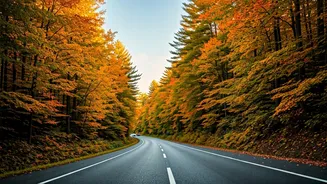
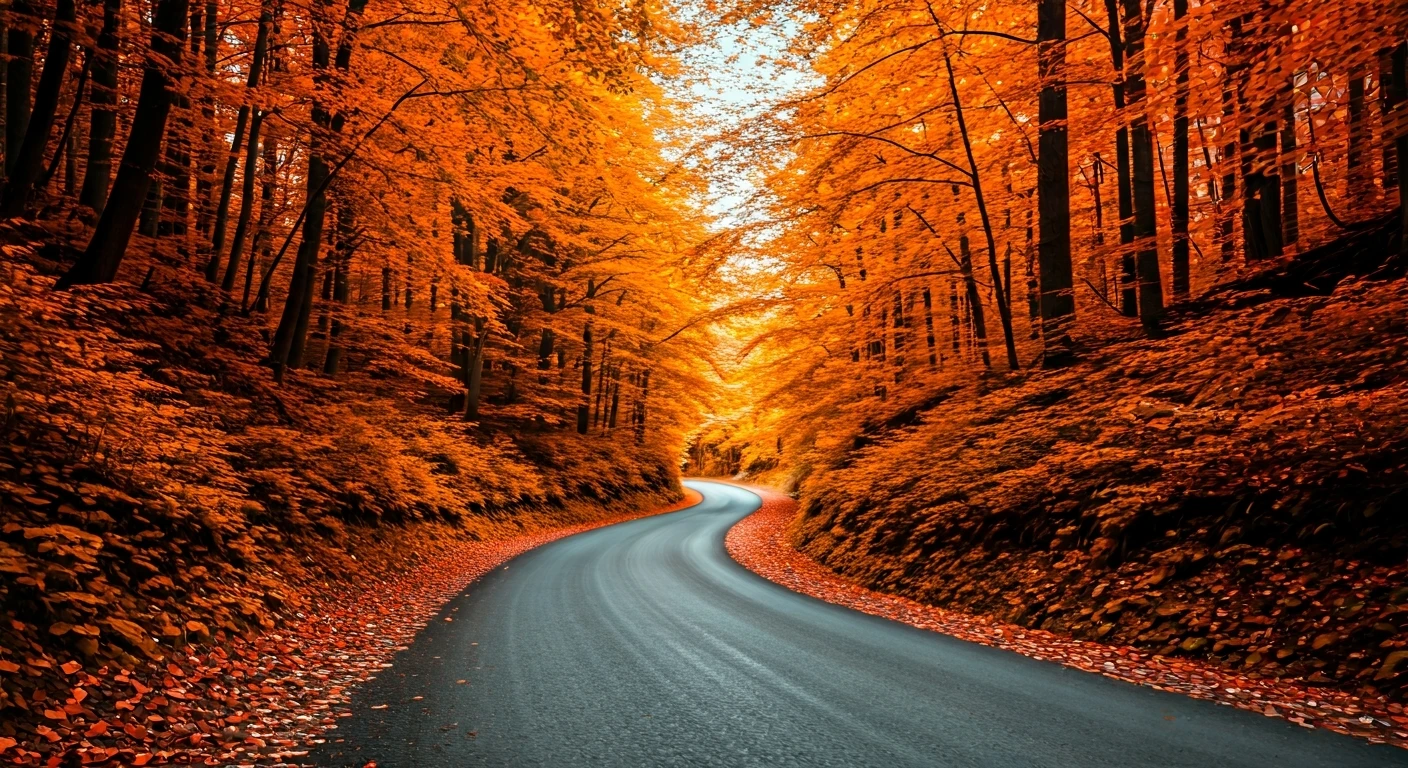
Let's be clear: the hype is real. Driving down a winding Vermont road under a canopy of crimson and gold is a core American travel memory for a reason. From the Berkshires in Massachusetts to the White Mountains of New Hampshire and the coast of Maine,
the region puts on a dazzling, world-class display. The problem is, everyone knows it. The same highways that offer breathtaking vistas—the Kancamagus in New Hampshire, Route 100 in Vermont—can turn into parking lots on peak weekends. The charming towns of Stowe, Woodstock, and North Conway swell with visitors, making a simple quest for a warm apple cider donut feel like a competitive sport. This is the central paradox: the very thing that makes the Northeast gorgeous in the fall is also what makes it incredibly tricky.
Your Calendar Is Your Compass
Success is less about where you go and more about when you go. Peak foliage is a moving target, shifting based on elevation, latitude, and weather. State tourism websites often have surprisingly accurate foliage trackers, but the golden rule is flexibility. The most intense crowds cluster on the first two weekends of October. If you can, travel on a weekday. The difference between a Tuesday and a Saturday on a popular trail is staggering. Consider the 'shoulder seasons' of the season itself. Late September offers the first pops of color with fewer people, while early November can still hold pockets of stunning bronze and yellow leaves, especially in southern New England. And for lodging? If you’re reading this in August and hoping to book a charming inn for a prime October weekend, you may already be too late. The best places are often booked six months to a year in advance. Spontaneity is a luxury the peak season rarely affords.
Go Where the Crowds Aren't
You don’t have to battle for a parking spot at the most famous scenic overlook. The secret to a peaceful trip is embracing the secondary roads and overlooked parks. For every jam-packed Kancamagus Highway, there's a quieter Route 118 nearby. For every crowded trail up Mount Monadnock, there are dozens of less-famous state forests with equally beautiful hikes. Instead of aiming for the most Instagrammed village, pick a town one or two exits away on the interstate. It will have the same New England charm, a local diner with available seating, and a fraction of the traffic. The goal is to zig where everyone else zags. Use the famous spots as a starting point on a map, then explore the periphery. Often, the best views are found when you take an unplanned turn down a road named something like 'Sugar Hill' or 'Bear Swamp.'
Embrace the Spontaneous Detour
A rigid, minute-by-minute itinerary is the enemy of a good fall road trip. The best moments are rarely the ones you scheduled. They happen when you pull over for a roadside farm stand selling fresh-pressed cider, follow a sign for a local craft fair in a church basement, or decide to hike a trail simply because you liked the name. Build buffer time into your day. If your GPS says a drive takes two hours, assume it will take three. This isn't just for traffic; it's to give yourself the freedom to explore. The most memorable part of your trip might not be the famous waterfall but the tiny, family-run maple syrup shack you discovered on the way there. Think of your plan as a suggestion, not a mandate. This mindset shift transforms potential frustrations into opportunities for discovery.
It's Not Just About the Leaves
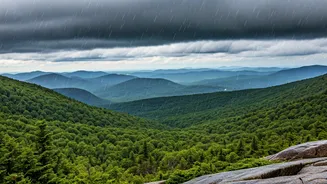
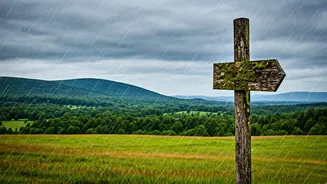
When your entire trip is built around seeing peak color, you’re setting yourself up for potential disappointment. What if it’s a rainy day? What if a windstorm knocked the best leaves down last week? Diversify your portfolio of fun. The Northeast is teeming with fantastic breweries, world-class small museums, antique shops, and pick-your-own apple orchards. A rainy day is a perfect excuse to explore the Norman Rockwell Museum or the Massachusetts Museum of Contemporary Art (MASS MoCA). A cloudy afternoon can be spent sampling IPAs at The Alchemist or Hill Farmstead. Focusing only on foliage puts too much pressure on Mother Nature. By building an itinerary around great food, interesting culture, and cozy experiences, the beautiful leaves become a spectacular bonus rather than the sole purpose of the journey.