



Mauritius: An Island Mosaic
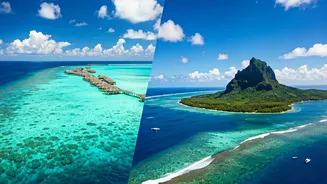
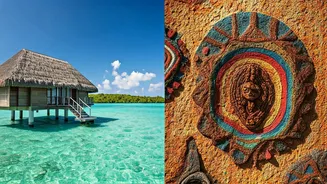
Imagine a volcanic island ringed by coral reefs, turquoise lagoons, and powder-soft beaches. Now, picture its towns humming with the legacy of Indian, African, French, and Chinese cultures. This is Mauritius, a small island nation in the Indian Ocean
that feels like a continent unto itself. The typical safari vehicle is replaced here by a catamaran gliding toward a secluded cove or a rental car winding through emerald-green sugarcane fields. The experience is less about spotting wildlife and more about cultural immersion. In the capital, Port Louis, you can visit a 19th-century mosque, a vibrant Hindu temple, and a bustling Chinatown all within a few blocks. The street food scene alone is a journey, with vendors selling dholl puri (a savory flatbread with split peas) and gateau piment (chili cakes) that reflect the island's Indian heritage. The French influence lingers in the elegant colonial architecture and the Creole language spoken by locals, a melodic blend of French and African dialects. While you can find world-class luxury resorts, the true soul of Mauritius is in its accessible, layered identity—a place where you can hike through a national park in the morning and relax on a stunning public beach in the afternoon.
Senegal: A West African Vibe
Fly 5,000 miles west from Mauritius, and you land in a completely different world. Senegal, on the Atlantic coast of West Africa, pulses with a vibrant, infectious energy. The dominant theme here isn't tranquil escape; it's creative and cultural dynamism. In the capital, Dakar, the air thrums with the sounds of Mbalax music, the markets overflow with colorful textiles, and the art scene is one of the most exciting on the continent. Senegal’s story is also deeply tied to its history. A short ferry ride from Dakar takes you to Gorée Island, a UNESCO World Heritage site that was once the largest slave-trading center on the African coast. A visit to the House of Slaves and its infamous “Door of No Return” is a sobering, powerful experience that provides essential context for understanding the wider African diaspora. But Senegal is not defined solely by its past. It’s a country built on “teranga,” a Wolof word that translates to hospitality but means so much more—a deep-seated culture of warmth, generosity, and respect for visitors. You feel it everywhere, from the shared mint tea rituals to the easy smiles of strangers. From the otherworldly pink waters of Lac Rose to the colonial charm of Saint-Louis, Senegal offers a journey that engages all the senses and connects you directly to the heartbeat of West Africa.
Two Countries, One Continent
Placing Mauritius and Senegal side-by-side reveals the sheer absurdity of thinking of “Africa” as a monolithic travel destination. One is a multicultural island paradise defined by its serene lagoons and complex blend of Asian and European influences. The other is a bastion of West African creative energy, whose identity is shaped by its profound history, vibrant arts, and deeply ingrained spirit of community. A trip to Mauritius is a lesson in harmonious diversity and natural beauty. A trip to Senegal is an immersion in rhythm, history, and human connection. Neither experience involves a bumpy jeep ride searching for lions (though Senegal does have national parks with their own unique wildlife). Instead, they offer something arguably more transformative: a chance to connect with the continent's people, cultures, and modern realities. They challenge American travelers to broaden their horizons and see Africa not as a single story, but as an epic collection of them.