


Embracing the Root-to-Stem Ethos
In professional kitchens and sustainable-minded homes, the “root-to-stem” or “nose-to-tail” philosophy has been gaining momentum for years. It’s a simple, powerful idea: use the whole thing. We’ve learned to love crispy roasted chicken skin, turn broccoli
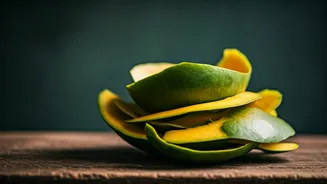
stems into slaw, and simmer bones for broth. Yet, the vibrant, fragrant peel of the mango remains stubbornly in the discard pile. Treating the mango peel as trash is a missed opportunity, not just for our taste buds, but for our commitment to reducing food waste. Every bit of food we prevent from ending up in a landfill is a small victory for our wallets and the planet. By reconsidering the mango peel, we’re not just being resourceful; we’re joining a modern movement that finds value and deliciousness in the parts we were taught to ignore.
A Surprising Nutritional Powerhouse
Beyond the feel-good aspect of sustainability, mango peels pack a legitimate nutritional punch. They are a concentrated source of dietary fiber, which is essential for digestive health. But the real stars are the polyphenols and carotenoids—powerful antioxidants that are found in higher concentrations in the peel than in the flesh. These compounds, including mangiferin, quercetin, and kaempferol, are studied for their potential anti-inflammatory and disease-fighting properties. The peel also contains a significant amount of Vitamin C and Vitamin A. While the flesh is sweet and high in sugar, the peel brings these powerful micronutrients to the table, creating a more balanced nutritional profile. In essence, by tossing the skin, you’re throwing away a dense package of the very things nutritionists tell us to eat more of.
First, A Word on Safety and Prep
Before you start munching, there are a few important considerations. The number one concern is pesticides. Because peels are directly exposed, they can retain chemical residues. For this reason, it is highly recommended to use only organic mangoes if you plan to eat the skin. Regardless, you should always wash and scrub your mangoes thoroughly under running water before peeling or eating. Secondly, there’s texture. A raw mango peel is fibrous and can be tough. For some, it’s an acquired taste. It’s also worth noting that mangoes belong to the same family as poison ivy and contain trace amounts of urushiol, a compound that can cause an allergic reaction in sensitive individuals, though this is rare for the fruit's peel itself. If you have a known sensitivity, it’s best to steer clear. For everyone else, starting with a small amount is a sensible approach.
Unlocking Complex Flavor
So, what does it actually taste like? Forget the unidimensionally sweet flavor of the flesh. The peel is where the complexity lives. Depending on the mango variety, the skin has a tart, slightly bitter, and distinctly floral or resinous taste. The flavor is reminiscent of the mango’s aroma, but amplified. Think of it like the difference between lemon juice and lemon zest—the zest contains essential oils that provide a much more potent, aromatic flavor. This astringent quality is not a flaw; it’s a feature. It provides a beautiful counterpoint to the sweetness of the fruit, making it a dynamic ingredient that can add brightness and depth to a variety of dishes, much like citrus peel or a bitter herb.
Simple Ways to Get Started
Ready to give it a try? You don’t have to just chew on the raw peel (though you can!). Here are a few easy ways to incorporate it into your cooking: **Quick Pickle:** Thinly slice the peel of a firm, slightly underripe mango. Toss with salt, a pinch of sugar, a splash of white vinegar, and a sprinkle of chili flakes. Let it sit for 30 minutes. The result is a tangy, crunchy condiment perfect for tacos or grilled fish. **Blend it In:** Add the (well-washed) peel of a ripe, organic mango to your next smoothie. The fiber will be completely broken down, and the peel’s tartness will balance the sweetness of the other fruits you use. **Make Mango Peel “Zest”:** Use a fine grater or zester to grate the peel over salads, yogurt, or even vanilla ice cream. It adds a surprising and fragrant pop of flavor, much like citrus zest. **Infuse Vinegar or Oil:** Drop a few large strips of clean mango peel into a bottle of white wine vinegar or a neutral oil. Let it infuse for a week. The resulting mango-scented product is fantastic for making salad dressings.