






From Quiet Box to Social Hub
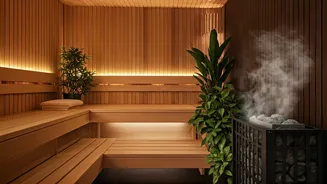
For decades, the American perception of the sauna was simple: a hot, wood-paneled box for a quiet, personal detox. It was an add-on at the gym, a luxury amenity in a spa, or a private indulgence. The primary rule was often silence. Socializing? That was for the lobby.
But a cultural shift is underway, rebranding the sauna not as an escape from others, but as a destination for connection. The new social sauna isn't just about heat; it's about shared experience. It’s a place for conversation, for guided rituals, and for building community in a way that feels both ancient and refreshingly modern. This “glow-up” is turning the simple act of sweating into a sought-after group activity, especially for travelers looking for more than just a place to sleep.
The Rise of Destination Saunas
This trend is most visible in the emergence of dedicated “destination saunas” that are becoming attractions in their own right. In cities, social wellness clubs like Othership in New York and Sauna House in Asheville, North Carolina, are pioneering a new model. They offer vast sauna rooms that can hold dozens of people, hosting guided classes complete with music, aromatherapy, and instructors who lead participants through cycles of heat, cold plunge, and rest. These aren't silent spaces; they’re buzzing with energy. On the travel front, resorts and boutique hotels are moving beyond the lone sauna room. You can now find floating saunas on the lakes of Washington, architectural marvels on the coasts of Maine, and sprawling Nordic-inspired spa villages in the Catskills where guests move between different temperature rooms, cold pools, and fire pits—all designed for communal flow. These experiences are no longer a footnote on the amenities list; they are the reason people book the trip.
Why We're Craving Communal Heat
So, why now? The social sauna boom is tapping into several post-pandemic cultural currents. First is the profound hunger for “third spaces”—places outside of home and work where community can flourish. In an era of remote work and digital isolation, a space that encourages screen-free, face-to-face interaction is a powerful draw. Second, this movement represents a more authentic adoption of global bathing traditions. In Finland, Estonia, and Germany, sauna culture has always been deeply social—a place for family gatherings, business meetings, and friendly catch-ups. American travelers are bringing that communal ethos home. Finally, it aligns with a broader wellness trend that prioritizes holistic health. The combination of physical benefits (improved circulation, stress reduction) with the psychological boost of social connection creates a potent, compelling package.
More Than Just Sweating
What makes these new sauna experiences truly social is the programming. The experience is curated from start to finish. A typical session at a social sauna might involve a guide—often called a “Sauna Master” or “Aufgussmeister”—who uses towels to circulate hot, scented air in a choreographed performance. This practice, known as Aufguss, turns the sauna into a theatrical event. Between rounds of heat, groups gather around cold plunge tubs, cheering each other on as they take the bracing dip. Afterward, they might relax in a tea lounge or by an outdoor fire pit, wrapped in robes and continuing conversations started in the heat. It’s a full-body, multi-sensory ritual designed to break down barriers and foster a sense of shared journey, making it a powerful bonding experience for friends, couples, and even strangers on vacation.