


The Wardrobe Upgrade: Quality Over Quantity
For decades, the fashion industry ran on a simple, frantic premise: more is more. Fast fashion delivered fleeting trends at impossibly low prices, leaving us with closets full of clothes that fall apart after a few washes. The 'smarter' choice isn't about
wearing a burlap sack; it's about embracing 'slow fashion.' This means investing in fewer, better things. Think of a perfectly tailored blazer made from natural wool, a pair of jeans that molds to your body over time, or a timeless leather bag. These pieces not only look incredible but feel luxurious against your skin. They're designed for longevity, not disposability. The 'feel good' component is twofold: the physical comfort of high-quality materials and the mental satisfaction of owning items you truly love, knowing they were made with care and won't end up in a landfill next season. It's a shift from a closet full of 'meh' to a curated collection of 'hell yes.'
The Intentional Plate: From Farm to Fork
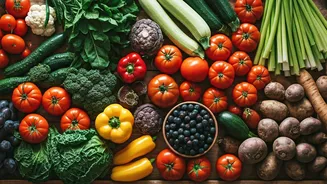
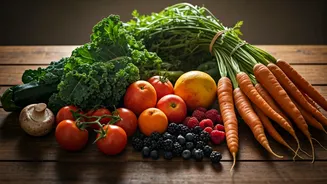
The smartest choice for your diet isn't some punishing, restrictive plan. It’s a return to what tastes, looks, and feels best: real, whole foods. Hitting your local farmer's market isn't just a quaint weekend activity; it's a direct line to superior flavor and nutrition. A sun-ripened tomato in August doesn't need much to be spectacular. Freshly picked greens have a crispness you can't find in a plastic clamshell. This way of eating is a feast for the senses. The vibrant colors of seasonal produce make your plate look like a work of art. The taste is undeniably better. And the 'feel good' part extends beyond your own health. You're supporting local farmers, reducing the carbon footprint of your food, and connecting with your community. It’s less about obsessively counting calories and more about celebrating the incredible flavor that comes from simple, well-grown ingredients.
The Curated Home: Character and Comfort
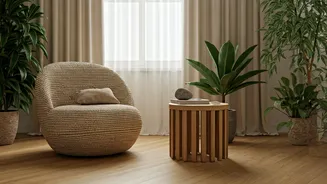
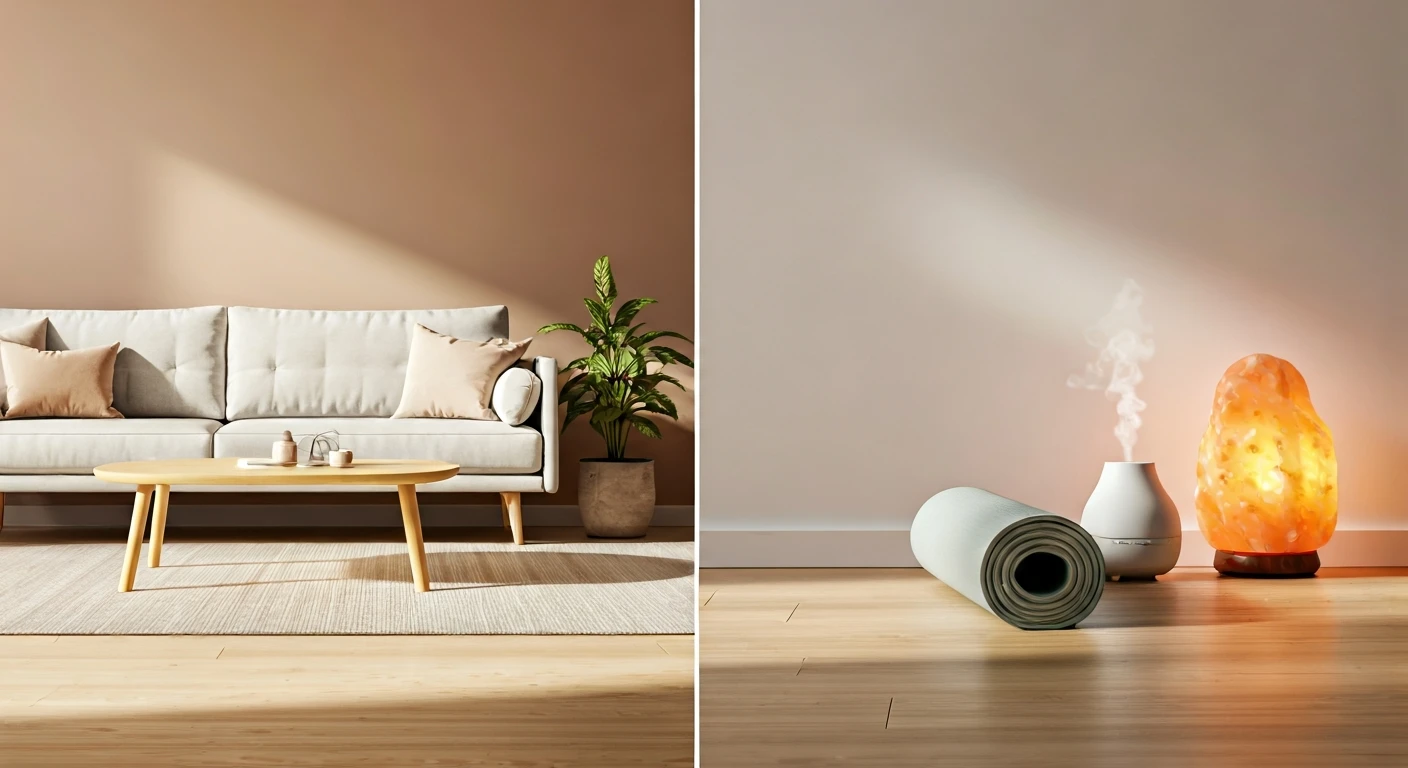
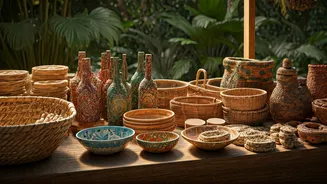
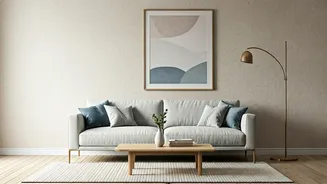
Creating a beautiful home doesn't require a shopping spree at a big-box store for mass-produced furniture. In fact, the most stylish and soulful homes often feature a mix of old and new. The 'smarter choice' here is to embrace secondhand and natural materials. A vintage wooden credenza has a story and a patina that no flat-pack furniture can replicate. An antique rug brings warmth and character to a room instantly. Thrifting for decor is a treasure hunt, not a chore. This approach looks good because it results in a space that is unique to you, filled with personality rather than trends. It feels good because you’ve saved a beautiful piece from the landfill and filled your home with items that have history. Furthermore, opting for natural materials like linen, wood, and stone connects your indoor space with the outside world, creating a calming, organic environment that synthetic materials just can't match.
The Mindful Routine: Clean Beauty that Works
The wellness and beauty industry is finally catching on: consumers want products that are both effective and responsible. The 'smarter choice' is moving toward 'clean' beauty, but not in a way that sacrifices performance. Today's market is filled with brands that use potent, plant-derived ingredients and innovative science to create products that deliver real results without questionable chemicals. Think luxurious facial oils that give you a genuine glow or beautifully pigmented lipsticks made with nourishing ingredients. The aesthetic has also been upgraded. Many sustainable brands now offer stunning, refillable packaging that looks like a piece of art on your bathroom counter. This feels good in the most literal sense—you're practicing self-care with products that are gentle on your skin and the planet. You get the chic packaging and the effective formula, all while reducing waste and supporting a more transparent industry.