






Why Ego Is Your Enemy in the Heat
We all have that internal drive. The one that tells you to run that extra mile, lift that heavier weight, or hold that yoga pose just a little bit longer. In perfect conditions, that ego can be a powerful motivator. In the sweltering heat of summer, it’s
a liability. When temperatures rise, your body is already working overtime just to maintain its core temperature through a process called thermoregulation. Your heart pumps more blood to the skin to dissipate heat, and you start sweating to cool yourself down. Adding an intense workout on top of this internal workload places immense strain on your cardiovascular system. Pushing for a personal record when the heat index is soaring doesn’t prove you’re tough; it proves you’re ignoring basic physiology. The real test of strength in the summer is having the wisdom to dial it back.
Embrace the Golden Hours of Exercise
This is where timing becomes your greatest training partner. The sun is at its most punishing between approximately 10 a.m. and 4 p.m., when temperatures and UV exposure peak. Trying to power through a midday workout is a recipe for exhaustion and potential danger. The smartest athletes, from amateurs to professionals, shift their schedules. Early morning workouts offer a massive advantage: the air is cooler, the humidity is often lower, and the pavement hasn't spent hours baking in the sun. If you’re not a morning person, the late evening provides a similar window of opportunity as the sun begins to set and the day’s heat subsides. Treat these “golden hours” as your prime training time and relegate the middle of the day to rest, recovery, or indoor activities.
Adjust Your Intensity, Not Just the Clock
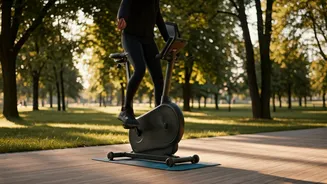
Changing your workout time is a great first step, but it’s not the only adjustment needed. Your body simply cannot perform at the same peak level in 90-degree weather as it can in 60-degree weather. Your ego wants to see the same pace on your running app or the same number of reps in the outdoor gym, but your body is running a completely different race. Instead of chasing numbers, learn to train by perceived effort. An 'easy' run in the summer might be a full minute slower per mile, and that’s not just okay—it’s smart. Consider swapping a high-intensity run for a trail hike under tree cover, trading heavy lifts for bodyweight circuits with longer breaks, or embracing lower-impact activities like swimming or cycling near a body of water.
Hydration Is a Strategy, Not an Afterthought
By the time you feel thirsty, you’re already on your way to being dehydrated. In the summer, you can’t treat hydration as something you do only when your workout starts. It needs to be a conscious strategy throughout your day. Start hydrating hours before your planned activity, sipping water steadily. During your workout, especially if it’s longer than 45 minutes, you’ll be losing crucial electrolytes like sodium and potassium through sweat. This is where sports drinks or electrolyte tabs can be beneficial, helping to replenish what you’ve lost and prevent cramping or dizziness. And don’t stop once the workout is over. Continuing to drink water and restore your fluids afterward is essential for recovery and preparing your body for the next day.
Listen to Your Body’s Warning Signs
The ultimate act of ego is to ignore your body when it’s screaming for a break. Familiarize yourself with the signs of heat-related illnesses so you can act immediately. Heat exhaustion often comes first, with symptoms like heavy sweating, clammy skin, faintness, a weak but rapid pulse, nausea, or a headache. If you feel any of these, stop what you are doing immediately. Get to a cool, shaded place, lie down, and sip a cool beverage. If these symptoms are ignored, you risk progressing to heatstroke, a life-threatening emergency. Telltale signs of heatstroke include a high body temperature (over 103°F), confusion, slurred speech, and hot, red skin that may be either dry or damp. This requires immediate medical attention.