






Welcome to the Relationship 'Final Exam'
It’s a scenario playing out across the country: a relatively new couple decides to take a big step. Maybe it’s spending Thanksgiving with one partner’s notoriously opinionated family. Perhaps it’s a week-long vacation, their first time navigating airports,
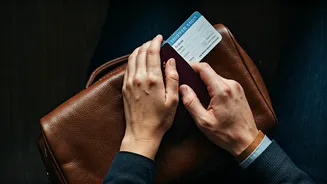
hotel check-ins, and 24/7 proximity. On the surface, it’s a festive milestone. Underneath, however, a different dynamic is emerging. These events are no longer just experiences to be shared; they are being treated as pass/fail compatibility exams. Every interaction is scrutinized, every conflict is a potential red flag, and the stakes feel incredibly high. This isn’t just about having a good time. For a growing number of people, it’s about efficiently determining if the person sleeping next to them is 'the one' or a dead end.
Why the Sudden Need to 'Test' Our Partners?
This trend isn’t born from a place of malice, but rather a mix of modern anxieties. Relationship experts point to a culture of optimization that has bled from our work lives into our personal lives. We want to 'fail fast' to avoid wasting emotional energy and time. Add a dash of social media pressure, where every holiday looks like a perfectly curated movie scene, and the desire to measure up—and ensure your partner can, too—intensifies. After years of social disruption, there's also a palpable urgency to make relationships 'work' and make up for lost time. Instead of letting compatibility reveal itself organically over months or years, we’re creating high-pressure simulations to speed up the process. A holiday trip becomes a condensed, high-stress proxy for a lifetime of potential challenges. If they can’t handle a delayed flight with grace, the thinking goes, how will they handle a real crisis?
The Unofficial Exam Syllabus
So, what’s on the test? The 'curriculum' often includes several key modules. First is the 'Meet the Family' trial, where a partner is judged on their ability to charm opinionated uncles and blend in with chaotic traditions. Then there's the 'Travel Stress Test,' a classic for a reason. It evaluates patience during airport security, problem-solving skills when a rental car reservation disappears, and the ability to compromise on the day's itinerary. Another crucial section is the 'Gift-Giving Gauntlet.' A thoughtful gift suggests they’ve been paying attention, while a generic or misjudged one can be interpreted as a lack of effort or understanding. Finally, there's the 'Unstructured Time' assessment: when the scheduled activities are over, can you simply enjoy each other's company without awkward silence or boredom? Each of these scenarios is mined for data on a partner’s temperament, values, and long-term potential.
Passing, Failing, or Just Setting Yourselves Up?
While this 'testing' mindset can be practical, it also carries significant risks. When you go into a situation looking for flaws, you are far more likely to find them. A bad mood from travel fatigue might be misinterpreted as a fundamental character flaw. A nervous fumble during a family dinner could be labeled as a social failing. Relationship therapists warn that this approach can create a self-fulfilling prophecy. The pressure to perform can make both partners anxious and unnatural, leading to the very conflicts they were hoping to avoid. A relationship isn't a job interview, and a partner isn't an employee to be vetted for performance metrics. The goal of a shared experience should be connection, not evaluation. While these high-pressure events are undoubtedly revealing, they reveal a snapshot, not the full picture. A person’s behavior on one stressful Tuesday in December might not reflect who they are for the other 364 days of the year.