






What Is Hair Oiling, Exactly?
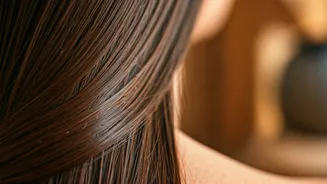
At its core, hair oiling is the practice of massaging natural oils into the scalp and coating the hair strands, letting them absorb for a period before washing. Unlike a finishing serum that adds shine post-styling, oiling is a pre-shampoo treatment designed
to deeply nourish, protect, and fortify the hair from the inside out. While new to many in the U.S., this ritual has deep roots in South Asian cultures, where it’s a long-revered practice passed down through generations and central to Ayurvedic medicine. The modern trend embraces this heritage, focusing on scalp health as the foundation for strong, vibrant hair.
The Real Benefits for Your Hair
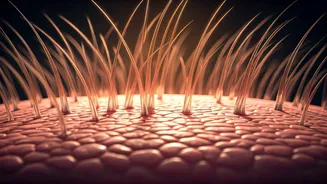
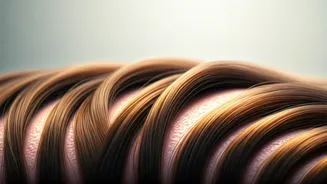
The hype is backed by some compelling principles of hair science. First, massaging oil into the scalp can help moisturize dry skin, dissolve product buildup, and stimulate blood flow, creating a healthier environment for hair growth. Second, when applied to the hair shaft, oil acts as a shield. Hair is porous, and when it gets wet, it swells—a process that can weaken it over time (known as hygral fatigue). By applying oil before you wash, you can reduce the amount of water the hair absorbs, minimizing damage, frizz, and breakage. Certain oils also contain fatty acids, vitamins, and antioxidants that can replenish lipids in the hair, improving its flexibility and shine. For example, rosemary oil has gained significant attention for studies suggesting it can support hair growth, making it a popular ingredient in many trending formulations.
How to Choose the Right Oil
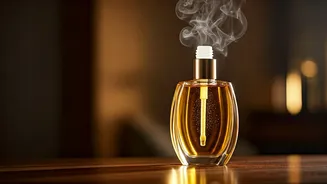
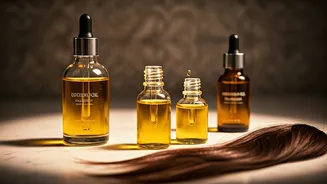
Not all oils are created equal, and the best one for you depends on your hair type and goals. This isn't a one-size-fits-all practice. - For Fine or Oily Hair: You need a lightweight oil that won't weigh your hair down. Look for options like argan, jojoba, almond, or grapeseed oil. These absorb quickly and provide nourishment without greasiness. - For Dry, Thick, or Coarse Hair: Your hair can handle richer, more moisturizing oils. Coconut oil is a classic for its ability to deeply penetrate the hair shaft. Castor oil is thick and packed with fatty acids, often used to nourish the scalp and seal split ends. Avocado and olive oil are also excellent, emollient choices. - For Scalp Health and Growth: If your primary goal is a happy scalp, consider oils with specific properties. Rosemary oil is the star here for its stimulating effects. Peppermint oil can also create a cooling, invigorating sensation. Tea tree oil is known for its antimicrobial properties, which can be beneficial for dandruff-prone scalps (use it diluted in a carrier oil like jojoba).
Your Step-by-Step Oiling Ritual
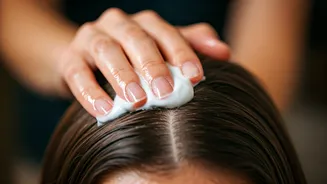
Ready to try it? The process is a simple, relaxing ritual that’s easy to incorporate into your weekly routine. 1. Start with Dry, Detangled Hair: Brush out any knots to ensure the oil can be distributed evenly. 2. Apply to the Scalp: Part your hair in sections and use your fingertips or a dropper to apply the oil directly to your scalp. Don’t drench it; a little goes a long way. 3. Massage Thoroughly: Using the pads of your fingers, gently massage your scalp in circular motions for 3-5 minutes. This is the key to stimulating blood flow and feels incredibly relaxing. 4. Coat the Strands: Work the remaining oil from your hands through the mid-lengths and ends of your hair, focusing on areas that are particularly dry or damaged. 5. Let It Sit: Tie your hair up in a loose bun or braid and let the oil work its magic. A minimum of 30-60 minutes is good, but for a deep treatment, you can leave it on for a few hours or even overnight (be sure to protect your pillowcase with a towel or silk cap). 6. Wash It Out Properly: This is a crucial step. To effectively remove the oil, apply shampoo to your dry, oiled hair before adding water. Lather it up as much as you can, then rinse and follow with a second shampoo and your regular conditioner. This double-shampoo method ensures you remove all residue without stripping the benefits.