







The Emerald Kingdom of Kabini
Nestled on the banks of its namesake river in the southern Indian state of Karnataka, Kabini is a landscape plucked from a Rudyard Kipling story. It forms the southeastern edge of the sprawling Nagarhole National Park, a critical tiger reserve and a sanctuary
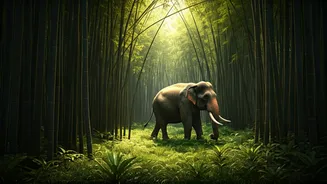
for a breathtaking diversity of life. While many wildlife destinations are defined by open grasslands or dense teak forests, Kabini’s soul lies in its vast, rain-fed bamboo groves. These immense thickets, which can grow startlingly dense, create a unique habitat that is both a fortress and a buffet for the animals that call this place home. For American travelers seeking a wildlife experience that feels truly transportive, Kabini offers a glimpse into a world governed by the rhythms of the river and the rustle of bamboo leaves.
Why This Bamboo Is Everything
The bamboo here isn’t just decorative; it’s the lifeblood of the ecosystem. For the park's thousands of Asiatic elephants, these tender shoots are a primary food source. For the elusive leopard, the dense clusters provide the perfect cover for an ambush. And for the majestic tiger, the bamboo corridors are natural pathways for patrolling its territory. The forest’s health is tied to the bamboo’s peculiar life cycle. Periodically, in a phenomenon known as gregarious flowering, vast swathes of bamboo will flower simultaneously, produce seeds, and then die off. This event, which can happen once every 40 to 60 years, dramatically alters the landscape and the availability of food, creating a period of boom and bust for many species. This delicate, long-term cycle makes the groves particularly vulnerable to short-term human pressures. It’s a slow-growing, sensitive environment that provides the foundational structure for the entire food web.
The Heavy Footprint of a Safari
As Kabini’s reputation as a world-class destination for spotting leopards, tigers, and elephants has grown, so has the pressure of tourism. A traditional safari, if not managed carefully, can leave a heavy footprint. Convoys of diesel jeeps can create noise and air pollution, disturbing animals and disrupting their natural behaviors. The rush to get the perfect photograph can lead to drivers crowding wildlife, causing immense stress, especially to mothers with young. In a sensitive habitat like a bamboo grove, off-road driving can damage the root systems and compact the soil, hindering the forest's ability to regenerate. The very thing that visitors come to see—pristine nature and wild animals in their element—is threatened by the high volume and high-impact nature of unchecked tourism. The call for a lighter touch isn’t just an abstract ideal; it’s a direct response to the visible strain on this unique environment.
The Promise of a Quieter Path
So, what does a low-impact safari in Kabini look like? It starts with a philosophy of being a guest, not a conqueror. Eco-conscious lodges are pioneering this approach by using electric vehicles that glide silently through the forest, minimizing noise disturbance. It means employing highly trained naturalists who prioritize education and ethical wildlife viewing over simply chasing a checklist of sightings. Low-impact travel involves strictly adhering to park rules: staying on designated paths, maintaining a respectful distance from animals, and observing a code of silence near sightings. It also extends to the lodges themselves—those that invest in conservation initiatives, support anti-poaching patrols, and hire from local communities are contributing to the long-term health of the region. Choosing this path means your tourist dollars become a tool for preservation, ensuring the bamboo groves continue to thrive for generations to come.