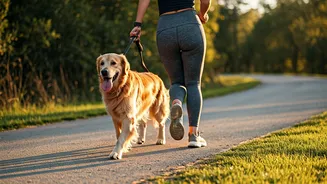







More Than Just a Walk
For years, the morning dog walk has been a non-negotiable chore for many pet owners—a sleepy, perfunctory loop around the block. But a cultural shift is reframing that obligation into an opportunity. More Americans are lacing up their running shoes and
bringing their dogs along for a proper workout, transforming a daily task into a source of energy and connection. This isn't just about high-energy breeds, either. Owners of beagles, terriers, and mixed-breed rescues are discovering that a shared jog can be the best part of their day. Experts point to a few converging factors. The pandemic-era pet adoption boom means more households are navigating life with a furry companion. At the same time, a national focus on wellness and mental health has people seeking routines that offer more than just physical benefits. A run with your dog checks all the boxes: it’s cardio, it’s time in nature, it’s stress relief, and most importantly, it’s a powerful bonding activity that deepens your relationship with your pet.
A Win-Win for Health and Happiness
The benefits flow in both directions. For humans, a canine running partner provides unwavering motivation. It's harder to skip a workout when an eager face and a wagging tail are waiting by the door. This consistency helps build fitness and establish a solid morning routine. There’s also a built-in safety element; many runners, especially those who go out in the early morning, feel more secure with a dog by their side. For dogs, the advantages are even more profound. Regular runs provide essential physical exercise, helping to manage weight and maintain cardiovascular health, especially for energetic breeds that aren't satisfied with a simple walk. Just as crucial is the mental stimulation. A run exposes a dog to a symphony of new smells, sights, and sounds, preventing boredom and the destructive behaviors that can come with it. A well-exercised dog is often a calmer, happier, and better-behaved companion.
Gearing Up for the Pavement
Making the leap from walking to running requires a little preparation but doesn't need to be complicated. The single most important piece of gear is a proper harness. Running with a dog on a standard neck collar can put dangerous pressure on their trachea. A well-fitted Y-shaped harness distributes force across the chest and shoulders, allowing for comfortable, safe movement. Many seasoned dog runners swear by hands-free leashes, which clip around your waist. This frees up your arms for a natural running motion and keeps your center of gravity stable. Look for one with a bungee section, which acts as a shock absorber, softening the jolt for both you and your dog if one of you suddenly stops or speeds up. Finally, always carry water. Collapsible bowls are lightweight and easy to pack, ensuring your partner stays hydrated, especially on warmer days.
Finding Your Shared Pace
Before you start logging miles, it's wise to consult your veterinarian to ensure your dog is healthy enough for a running routine, especially if they are a puppy, a senior, or a brachycephalic (flat-faced) breed. Once you get the green light, the key is to start slow. Begin with a run-walk interval method—jog for a minute, walk for a minute—and gradually increase the running time as you both build stamina. Pay close attention to your dog's signals. Excessive panting, lagging behind, or trying to lie down are clear signs they need a break. Choose your surfaces wisely; soft trails or grass are much easier on a dog’s joints and paw pads than concrete. In many cities, you can even find organized “doggy 5Ks” or social running groups, providing a great way to connect with a community of like-minded owners and a fun goal to work toward together.