





From Humble Staple to Health Star
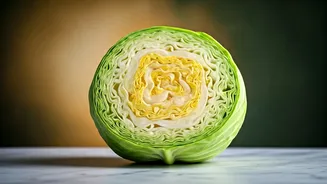
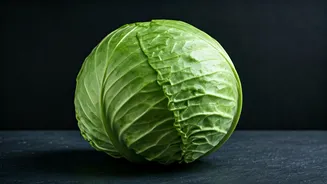
Let’s be honest: cabbage has an image problem. It’s the stuff of boiled dinners and limp, watery coleslaw. But this perception ignores its long and noble history as a versatile, affordable, and incredibly resilient vegetable that has sustained populations
for centuries. From the tangy crunch of kimchi in Korea to the hearty cabbage rolls of Eastern Europe, this cruciferous vegetable has always been a culinary workhorse. Now, science is catching up to what generations of home cooks already knew: this humble brassica is packed with nutritional benefits, particularly for one of the most critical systems in your body—your gut.
The Prebiotic Power of Fiber
The foundation of cabbage’s gut-health credentials is its impressive fiber content. It’s rich in insoluble fiber, the “roughage” that adds bulk to stool and helps keep you regular, preventing constipation and promoting overall digestive efficiency. But that’s not all. Cabbage also contains soluble fiber that acts as a prebiotic. Think of prebiotics as fertilizer for the good bacteria (probiotics) already living in your gut. When these beneficial microbes feast on cabbage’s fibers, they produce short-chain fatty acids like butyrate. Butyrate is a superstar compound that serves as the primary fuel source for the cells lining your colon, helping to reduce inflammation and strengthen the gut barrier.
The Fermentation Supercharge: Sauerkraut and Kimchi
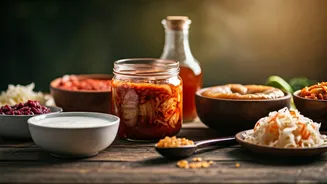
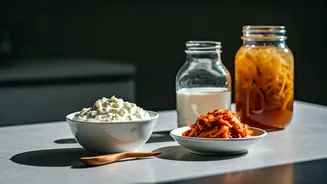
When you ferment cabbage to make sauerkraut or kimchi, you elevate it from a great food to a gut-health superhero. The fermentation process not only preserves the vegetable but also creates a thriving ecosystem of live probiotic bacteria, like various Lactobacillus strains. Eating these foods directly seeds your gut with beneficial microbes. This makes fermented cabbage a “synbiotic” food—it delivers both the prebiotic fuel (the cabbage fiber) and the probiotic bacteria in one delicious package. Studies suggest that regularly consuming fermented foods can help improve microbial diversity, which is a key indicator of a healthy and resilient gut microbiome. Just be sure to choose raw, unpasteurized versions from the refrigerated section of your store, as heat-treated products have their beneficial bacteria killed off.
More Than Just Fiber: Glutamine and Sulforaphane
Cabbage’s benefits don’t stop with fiber. It’s also a notable source of L-glutamine, an amino acid that plays a crucial role in intestinal health. Glutamine is a preferred fuel source for the cells of the small intestine and helps maintain the integrity of the mucosal lining, which acts as a critical barrier between your gut and the rest of your body. Furthermore, as a member of the cruciferous family (alongside broccoli, kale, and Brussels sprouts), cabbage contains compounds called glucosinolates. When you chop or chew it, these compounds convert into powerful antioxidants like sulforaphane, which is known for its potent anti-inflammatory properties and its ability to support the body’s natural detoxification pathways.
Bringing Cabbage Back to Your Kitchen
Ready to give cabbage the respect it deserves? Integrating it into your diet is easier and more delicious than you might think. Finely shred red and green cabbage with carrots and a light vinaigrette for a bright, crunchy slaw that bears no resemblance to the mayo-drenched potluck staple. Try roasting thick wedges of cabbage tossed in olive oil and spices until the edges are crispy and the center is sweet and tender. Add chopped cabbage to soups, stews, and stir-fries, where it adds bulk and soaks up flavor. Or, simply top your tacos, salads, and grain bowls with a forkful of tangy sauerkraut or spicy kimchi for an instant flavor and probiotic boost.