



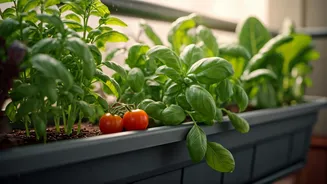


From Kitchen to Balcony
For anyone who loves cooking Indian food, the search for fresh, high-quality herbs can be a constant struggle. While supermarkets offer cilantro and mint, finding truly fresh curry leaves, holy basil (Tulsi), or fenugreek greens (methi) can feel like
a treasure hunt. This is where a balcony garden becomes more than a hobby; it becomes your secret culinary weapon. A few well-chosen pots can provide a steady supply of the aromatic herbs that are the soul of Indian cooking, elevating your dals, curries, and chutneys from good to unforgettable. The flavor you get from an herb picked moments before it hits the pan is brighter, deeper, and more complex than anything you can buy.
Setting Up for Success
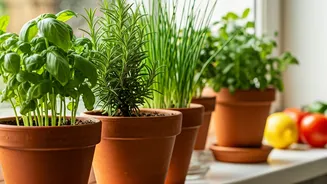
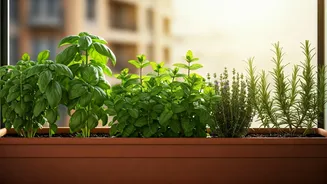
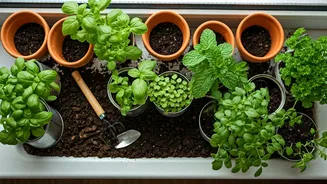
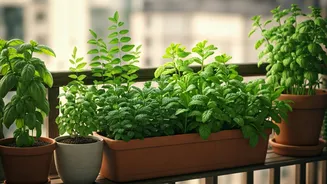
You don't need a sprawling yard to create a productive garden. A small balcony, patio, or even a sunny windowsill can be perfect. Start with the basics. You’ll need pots with good drainage holes—terracotta is great but dries out quickly, while plastic retains moisture. A quality potting mix is non-negotiable; don't use soil from your backyard, as it will be too dense. Most herbs thrive with at least five to six hours of direct sunlight, so take a day to observe where the sun hits your balcony. Finally, a simple watering can is all you need to get started. The goal is to create a healthy environment where your plants will flourish.
The Must-Have: Coriander (Cilantro)
No Indian kitchen is complete without coriander. Known as cilantro in the U.S., its leaves, stems, and seeds (coriander) are all used. For fresh leaves, sow seeds every three to four weeks for a continuous supply, as the plant tends to bolt (flower) quickly in warm weather. It prefers cooler temperatures and consistent moisture. Use the bright, citrusy leaves as a garnish for literally everything—from dal and sabzi to raita. The stems, packed with even more flavor, are perfect for grinding into marinades and chutneys.
The Cooler: Mint (Pudina)
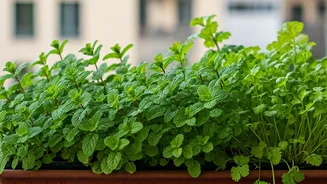
Fresh mint is the backbone of the iconic pudina chutney served with samosas and pakoras, and it's essential for a cooling raita or a refreshing nimbu pani (lemonade). Mint is famously easy to grow—almost too easy. It spreads aggressively, so always plant it in its own container to prevent it from taking over your other pots. It tolerates a bit of shade and likes its soil to be consistently moist. Snip the tops regularly to encourage bushier growth and you’ll have a limitless supply for all your culinary needs.
The Game-Changer: Curry Leaves (Kadi Patta)
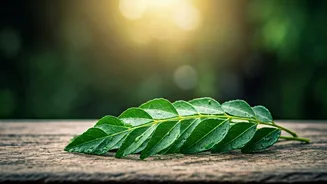
If you plant only one thing, make it this. Fresh curry leaves have a complex, nutty, and slightly citrusy aroma that is impossible to replicate with dried versions. They are the flavor base of countless South Indian dishes, used in the *tadka* (tempering) that gives dishes their signature scent. Curry leaf plants are tropical and love sun and warmth. They can be purchased as small plants from nurseries (especially those catering to Asian or Indian communities) or online. Be patient, as it takes time to establish, but the reward of having your own supply is immeasurable. Protect it from frost in the winter by bringing it indoors.
Bonus Herbs: Chilies and Fenugreek
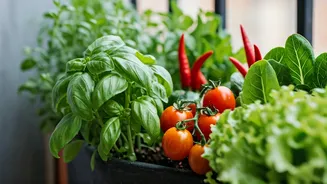
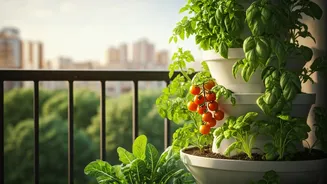
To round out your garden, consider a pot of green chilies. A single, healthy plant can produce dozens of fiery peppers, perfect for adding a fresh kick to your cooking. They are easy to grow in a sunny spot. For another unique flavor, try growing fenugreek (methi) for its leaves. You can easily sprout the same fenugreek seeds you find in the spice aisle. Simply sow them thickly in a shallow tray of soil. In a few weeks, you can harvest the young, slightly bitter leaves, which are delicious when cooked with potatoes (aloo methi) or added to flatbreads.