



Welcome to the 'Valley of Bliss'
Tucked away in the Indian state of Uttarakhand, about 50 miles short of the Tibetan border, lies Harsil. While thousands of pilgrims and tourists thunder past on the main highway toward the sacred Gangotri glacier, this serene hamlet remains blissfully
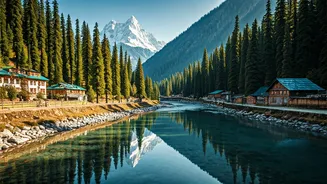
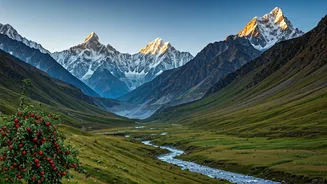
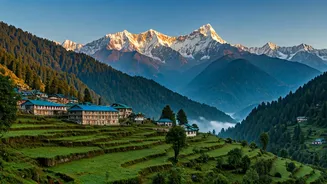
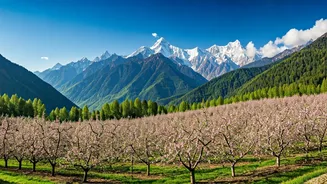
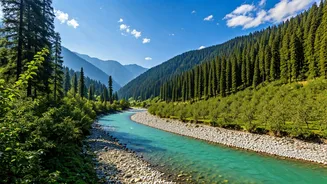
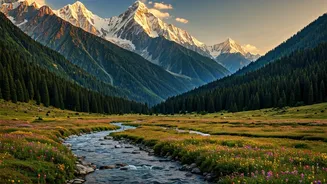
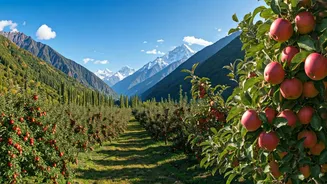
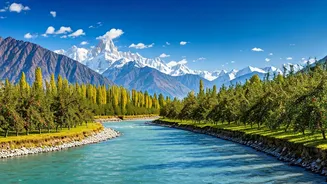
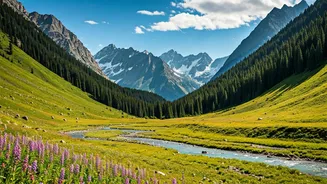
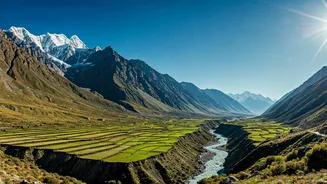
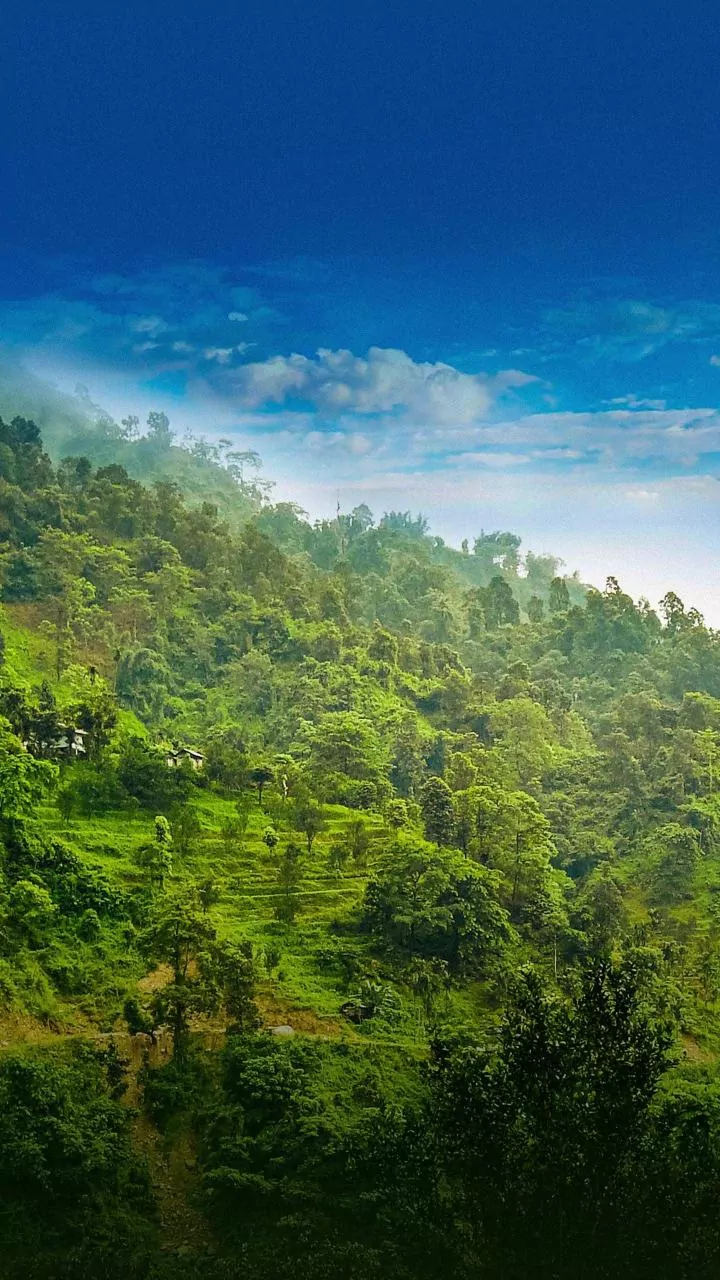
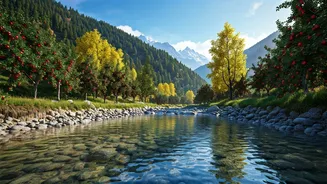
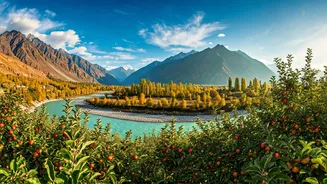
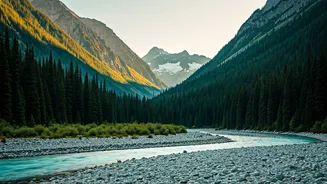
overlooked. Situated on the banks of the rushing Bhagirathi River at an elevation of around 8,600 feet, Harsil isn’t a single town but a cluster of small villages surrounded by dense deodar forests and terraced apple orchards. It's a landscape painter’s dream, where the primary sounds are the river, the wind in the pines, and the distant call of a shepherd. This is the antidote to the over-commercialized chaos of more famous Himalayan hill stations, offering a glimpse of what mountain life used to be.
Authenticity Over Amenities
What Harsil lacks in five-star hotels and bustling market streets, it makes up for in authenticity. The region’s charm lies in its simplicity. Accommodation is largely limited to cozy guesthouses, government-run rest houses, and a growing number of family-operated homestays. This isn't a place for travelers demanding infinity pools and room service; it's for those who find luxury in a home-cooked meal and a conversation with their host. The valley is also famous for its apples, introduced in the 19th century by a British army deserter named Frederick “Pahari” Wilson, a local legend who became a timber baron and married a village girl. Today, tasting a Harsil apple fresh from the tree is a quintessential part of the experience, connecting visitors to the unique history that shaped this quiet corner of the world.
What to Do (and Not Do)
The main activity in Harsil is embracing the stillness. This is a place to unwind, read a book by the river, and recalibrate your internal clock to the rhythm of the sun. For the more active, there are plenty of gentle pursuits. Take a walk through the deodar forest to the Sattal, a group of seven small, interconnected lakes. Visit Mukhba, the nearby village that serves as the winter home for the idol of the goddess Ganga when the Gangotri temple closes. Go on a village-hopping tour to see traditional Garhwali architecture and interact with locals. What you *won't* do is shop for mass-produced souvenirs or navigate throngs of people. The beauty of Harsil is in its pristine environment and the permission it gives you to do absolutely nothing at all.
The Practical Details
Getting to Harsil requires some effort, which is precisely why it remains unspoiled. The nearest major airport and railway station are in Dehradun, about 170 miles away. From there, it's a long but scenic eight-to-nine-hour drive, typically broken up with a night in the town of Uttarkashi. The best time to visit is from April to June, when the weather is pleasant and the landscape is lush, or from September to November for clear post-monsoon skies and brilliant autumn colors. The harsh winter months see heavy snowfall, often cutting the valley off completely. Be prepared for a digital detox, as cell service and Wi-Fi can be spotty at best—a feature, not a bug, for those truly looking to disconnect.