


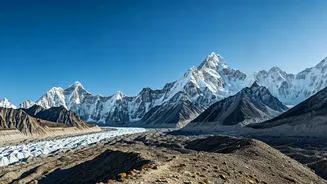
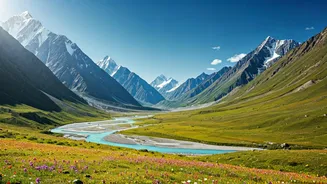


The Land Above the Clouds
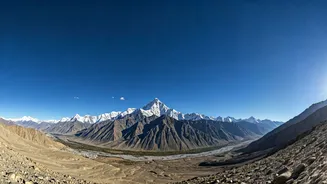
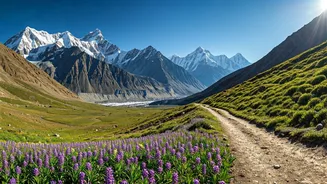
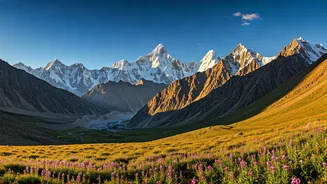
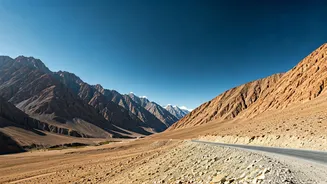
First, let's get oriented. Tucked away in the northernmost part of India, Ladakh is a high-altitude desert nestled between the Himalayan and Karakoram mountain ranges. Often called “Little Tibet” for its strong cultural and geographical similarities to
the Tibetan plateau, this is a region of vast, arid landscapes, deep blue skies, and remarkable Buddhist monasteries perched on craggy hillsides. For most of the year, heavy snowfall cuts Ladakh off from the rest of India by road, burying the high passes under dozens of feet of snow. But come late spring, the Border Roads Organisation (BRO) begins a heroic effort to clear the routes, and when they finally open—usually around May or June—the adventure season officially begins.
Two Legendary Highways
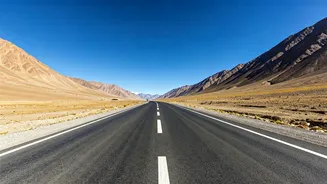
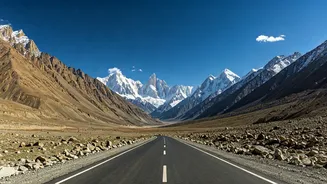
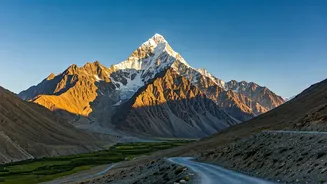
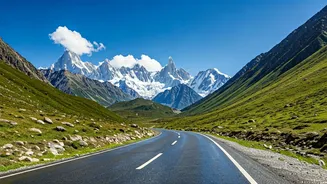
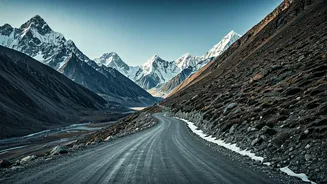
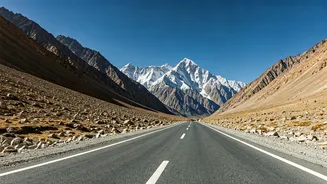
The allure for road-trippers comes down to two iconic routes. The first is the Manali-Leh Highway, a roughly 300-mile odyssey that is consistently ranked among the most beautiful and challenging drives on the planet. Starting from the lush green valleys of Himachal Pradesh, it climbs dramatically through multiple passes over 13,000 feet, including the famed Gata Loops—a series of 21 hairpin bends that corkscrew up a mountainside. The second is the Srinagar-Leh Highway, which offers a different flavor. It's historically significant, passing through the contested region of Kashmir, and offers a more gradual ascent, making it slightly better for acclimatization. This route is known for its dramatic Zoji La pass and views of the Kargil region, offering a stark reminder of the area's geopolitical importance.
A Journey of Epic Passes
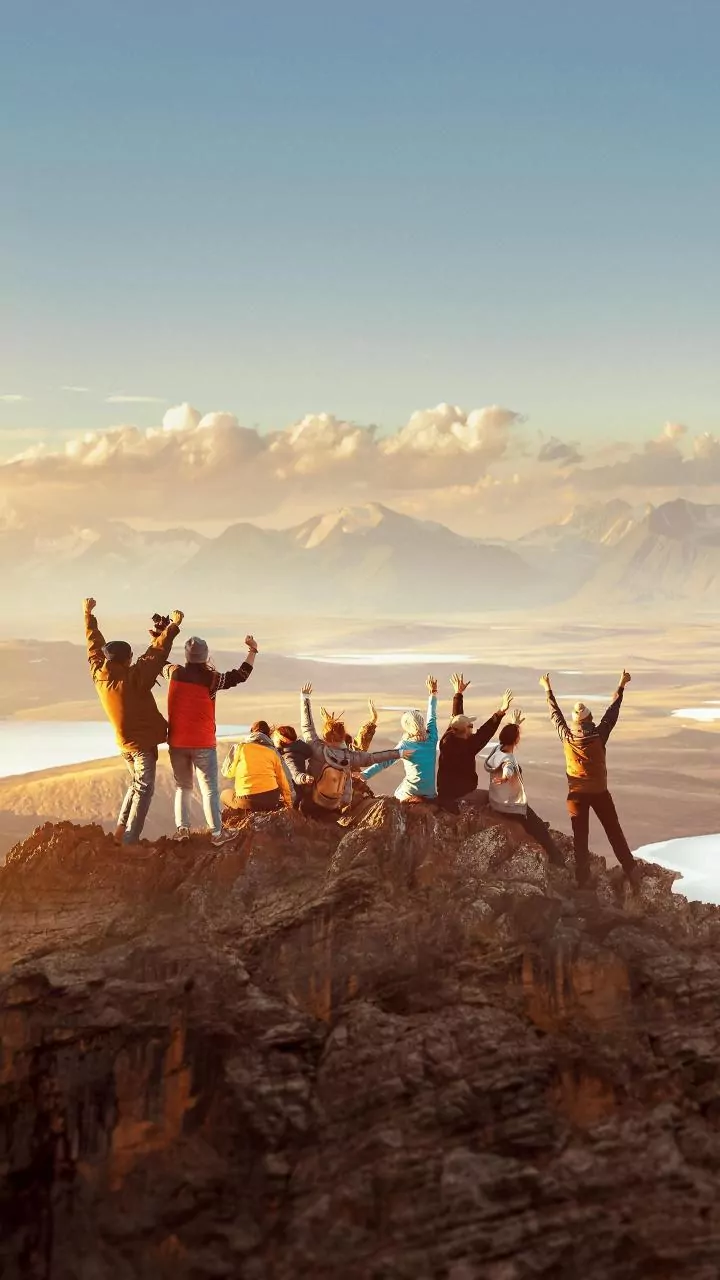
For many travelers, a Ladakh road trip is a game of conquering passes. Reaching the top of a high pass, or 'La' in the local language, is a rite of passage. You’ll see vehicles adorned with colorful Tibetan prayer flags, which are said to spread blessings on the wind. The most famous of these is Khardung La. Once thought to be the world's highest motorable pass at 18,380 feet (a claim now debated but still incredibly impressive), it’s the gateway to the stunning Nubra Valley. Crossing it feels like a genuine achievement, with thin air, breathtaking panoramas, and a palpable sense of being on top of the world. Other passes like Chang La, the gateway to Pangong Lake, offer similarly dizzying heights and rewards.
Landscapes from Another Planet
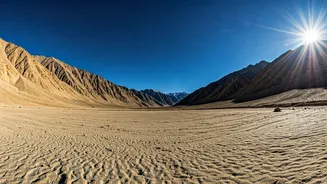
The drive itself is the destination, but the scenery is the ultimate reward. Ladakh's landscapes are otherworldly. One moment you're navigating a rocky canyon, the next you're driving alongside the shimmering Indus River. In the Nubra Valley, you'll find sand dunes at 10,000 feet, where you can ride double-humped Bactrian camels. The crown jewel for many is Pangong Tso, a mesmerizing high-altitude saltwater lake that stretches for over 80 miles into China. Its waters famously change color throughout the day, shifting from turquoise to deep indigo. The sheer scale and raw, untouched beauty of these places are what sear Ladakh into a traveler's memory.
Planning Your Himalayan Odyssey
A trip like this requires more planning than a weekend in Vegas. The driving season is short, typically from June to late September. The biggest challenge is altitude. Leh, the main town, sits at 11,500 feet, and Acute Mountain Sickness (AMS) is a serious risk. The golden rule is to acclimatize: spend at least two days in Leh doing nothing strenuous before venturing higher. Travelers can rent SUVs with drivers or, for the truly adventurous, Royal Enfield motorcycles—the classic choice for touring the Himalayas. While you can fly into Leh, the road trip offers the essential experience of gradually ascending into this incredible mountain kingdom, earning every spectacular view along the way.