



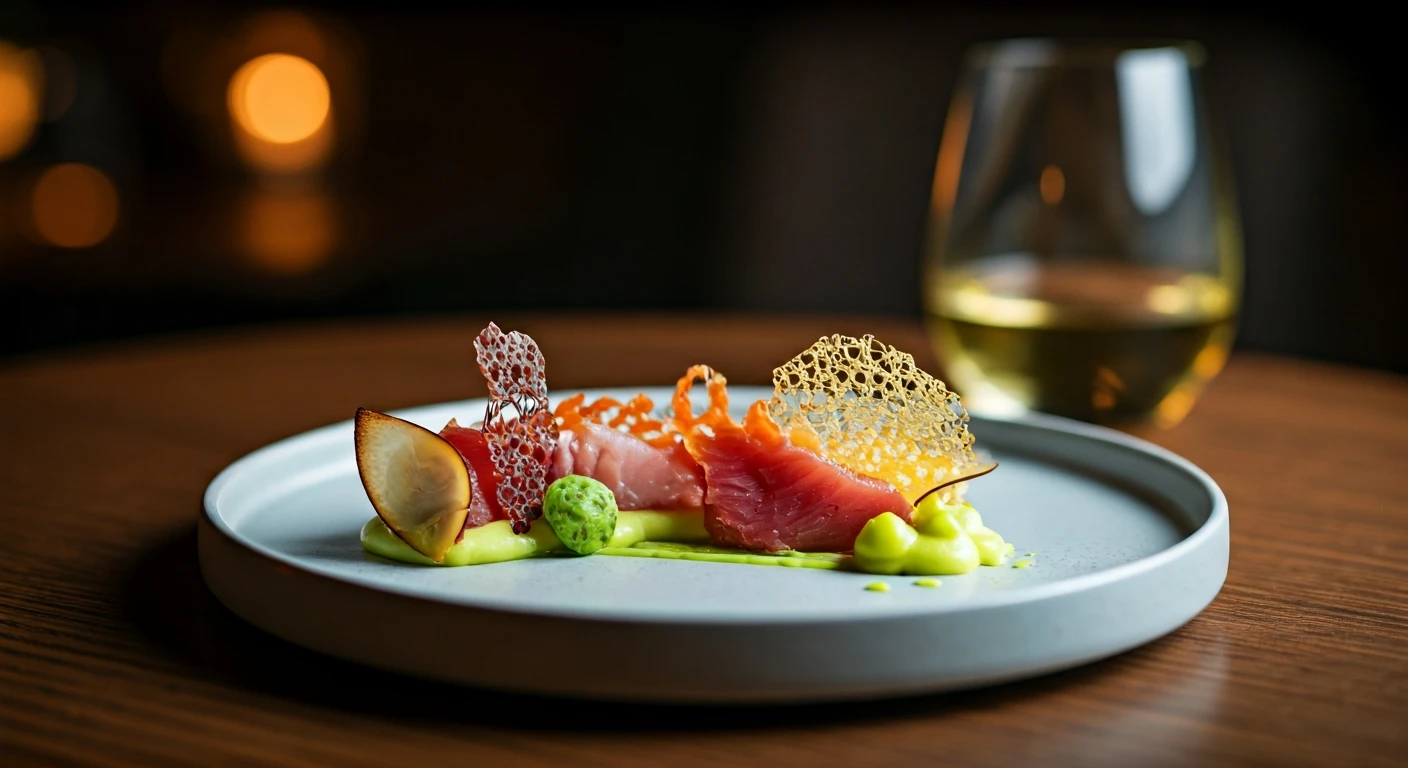

Beyond the Buffet Menu
For decades, the global perception of Indian cuisine has been shaped by a relatively small, homogenized selection of dishes, mostly from Northern India. It’s a delicious but narrow slice of a vast and incredibly diverse culinary landscape. Today, a new
generation of chefs, restaurateurs, and home cooks are challenging this monolith. They are moving beyond the familiar and digging deep into India’s regional identities, agricultural heritage, and nutritional wisdom. The result isn't just a new menu; it’s a new philosophy where every ingredient tells a story and every meal serves a greater purpose than just satisfying hunger.
The Great Millet Revival
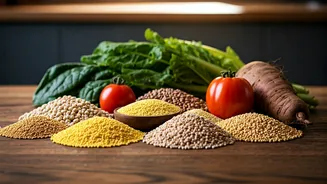
Perhaps the most visible part of this movement is the resurgence of millets. These ancient, hardy grains—like ragi (finger millet), jowar (sorghum), and bajra (pearl millet)—were once staples across the subcontinent before being overshadowed by wheat and rice. Now, they are being celebrated for what they are: nutritional powerhouses that are naturally gluten-free, rich in protein and fiber, and incredibly climate-resilient. They require significantly less water than rice and can grow in arid conditions, making them a crucial crop for a sustainable future. Chefs are ingeniously incorporating them into everything from fluffy pancakes and savory crepes (dosa) to risottos and gourmet bread. This isn't just a health trend; it’s a conscious agricultural and cultural choice, aligning modern palates with ancient, eco-friendly practices.
From the Farm to the Thali
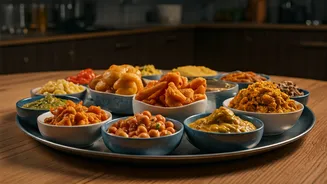
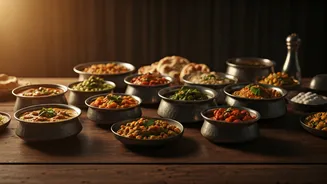
Mirroring a trend seen across the U.S., the farm-to-table ethos has firmly taken root in India’s urban centers. But here, it carries a unique weight. In a country where supply chains can be long and complex, a direct connection between farmer and chef offers radical transparency. Restaurants like The Bombay Canteen in Mumbai and Metta in Goa have built their identities around sourcing seasonal produce directly from local farmers. This guarantees freshness and quality, but more importantly, it ensures farmers receive fair prices and encourages the cultivation of indigenous vegetables and greens that might otherwise disappear. Diners get to experience flavors tied to a specific season and place, fostering a deeper appreciation for the land and the people who work it. The 'thali'—a traditional platter of multiple small dishes—becomes a canvas for showcasing this local, seasonal bounty.
Reclaiming Regional Roots
India is not one food culture, but hundreds. A Goan fish curry, with its coconut and kokum-infused tang, is worlds apart from a fiery pork dish from Nagaland in the northeast or a subtle, vegetarian sadhya feast from Kerala. For years, many of these hyper-regional cuisines were confined to home kitchens. Now, they are the stars of the show. Chefs are traveling to remote villages, learning from grandparents, and unearthing forgotten recipes and techniques. This culinary archaeology is about more than just novelty. It’s an act of cultural preservation, a pushback against globalization’s homogenizing force. By putting a rare tribal recipe or a little-known coastal spice blend on a modern menu, these chefs are ensuring that India's diverse culinary heritage doesn't just survive, but thrives for a new generation.