



The Rise of the Urban Lagomorph
So, why the sudden bunny boom? A few key shifts in American life have created the perfect environment for rabbits to thrive as companions. As more people move into apartments and smaller homes, the appeal of a quiet, clean, and relatively contained pet
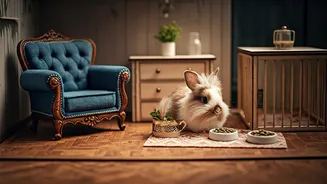
grows. Unlike a dog that needs multiple walks a day, a well-cared-for rabbit can be perfectly happy in a properly “bunny-proofed” apartment, making them an ideal fit for urban dwellers and those with less-active lifestyles. Social media has also played a massive role. Instagram and TikTok are flooded with accounts dedicated to charismatic bunnies performing “binkies” (the joyful leaps they do when happy) or lounging regally on velvet pillows. This digital exposure has recast the rabbit’s image from a simple agricultural animal to a complex creature with a distinct personality. They are, in a sense, the ultimate aesthetic pet for a curated online life, but the reality of their care goes far deeper than a cute photo.
Myth: They’re a Low-Maintenance 'Starter Pet'
This is perhaps the most dangerous misconception about rabbits and the reason so many end up in shelters after Easter. Rabbits are not low-maintenance. In fact, their needs are highly specific and, if neglected, can lead to serious health problems. Their digestive systems are incredibly delicate and require a constant supply of high-quality timothy hay—not just a bowl of pellets. Hay should make up about 80% of their diet, with fresh greens and a small amount of pellets supplementing it. Carrots, contrary to cartoon wisdom, are a sugary treat that should be given sparingly. Furthermore, they are not “cage pets.” A small cage is equivalent to a human living in a closet. Rabbits need several hours of supervised exercise in a larger, bunny-proofed space every day. This means tucking away electrical cords, covering baseboards, and accepting that they have a natural instinct to chew.
Reality: They Can Be Litter-Box Trained
One of the most surprising facts for prospective owners is that rabbits can be litter-box trained as reliably as cats. With a bit of patience and the right setup—a large litter box filled with rabbit-safe paper bedding and a pile of hay to encourage them—most bunnies will naturally designate that spot as their bathroom. This key trait is what makes them such successful indoor companions. Being part of the household is crucial for their well-being. As social animals, they thrive on interaction and can become depressed or destructive if left isolated in a cage. A free-roaming house rabbit becomes a genuine member of the family, following you from room to room, demanding head scratches, and developing a deep bond with their caregivers.
Myth: They Love to Be Cuddled
Here's a hard truth: most rabbits hate being held. As prey animals, their instinct tells them that being lifted off the ground means they’re about to be eaten. Forcing a cuddle can be terrifying for them and may cause them to kick and struggle, potentially injuring themselves or the person holding them. Instead, rabbits show affection on their own terms, and learning their language is part of the joy of owning one. Affection might look like a gentle nose-nudge, licking your hand (grooming), circling your feet, or the ultimate sign of trust: a “flop,” where they dramatically throw themselves onto their side, completely relaxed. Love from a rabbit must be earned through trust and respect for their boundaries, making the bond all the more rewarding when it forms.
The 10-Year Commitment
A domestic rabbit isn’t a fleeting pet. With proper care, their lifespan is 8 to 12 years, sometimes even longer. This is a significant commitment, on par with owning a dog. Throughout their lives, they require specialized veterinary care from an “exotics” vet, which can be more expensive than a standard cat or dog visit. Spaying or neutering is not optional; it’s essential for their health, preventing common cancers and reducing territorial behaviors like spraying. This long-term reality is why organizations like the House Rabbit Society urge potential owners to think beyond the initial cuteness. A rabbit is not a temporary whim or a gift for a child who will lose interest. It’s a decade-long promise to care for a sensitive, intelligent, and deeply rewarding companion.