







The Allure of the 'Offbeat' Path
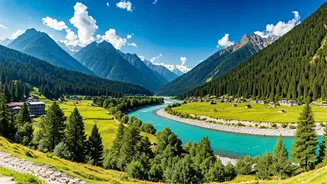
For decades, the Indian Himalayas have called to travelers, but popular destinations like Shimla and Manali now often mean traffic jams and crowded viewpoints. Jibhi, nestled in the serene Tirthan Valley of Himachal Pradesh, represents the region’s quieter,
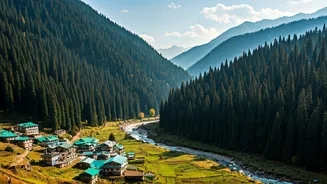
more soulful side. It’s part of what locals call the “slow travel” circuit—a collection of villages where the goal isn’t to tick off a list of sights but to simply be present. Unlike its bustling counterparts, Jibhi has largely resisted rampant commercialization. You won’t find sprawling resorts or fast-food chains here. Instead, the landscape is dotted with traditional Kath-Kuni style houses made of stacked stone and deodar wood, many of which have been converted into charming homestays. Reaching it requires a commitment—typically a flight to the nearby Kullu-Manali airport followed by a winding, scenic two-hour drive—which naturally filters out the tour-bus crowds and preserves its tranquil atmosphere.
Anatomy of a Jibhi Morning
The headline’s promise comes to life as the sun crests the pine-forested peaks. A morning in Jibhi is a sensory experience. You wake not to an alarm, but to the chirping of Himalayan bulbuls or the faint, distant gurgle of the Tirthan River. The air is crisp, carrying the scent of pine and damp earth. You step out onto a small wooden balcony, a steaming cup of masala chai in hand, and watch as mist slowly lifts from the valley floor. There are no crowds to beat, no queues for a perfect photo. The only movement might be a local walking their cow down a stone path or smoke curling from a neighboring chimney. Breakfast is a simple, hearty affair, often featuring siddu (a local steamed bread) or parathas served with homemade butter and jam. This is the essence of Jibhi: unhurried, unplugged, and deeply peaceful. It’s a place that invites you to put your phone down and simply watch the world wake up at its own gentle pace.
Beyond the Sunrise: Daytime Adventures
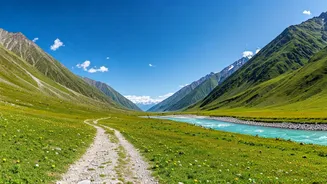
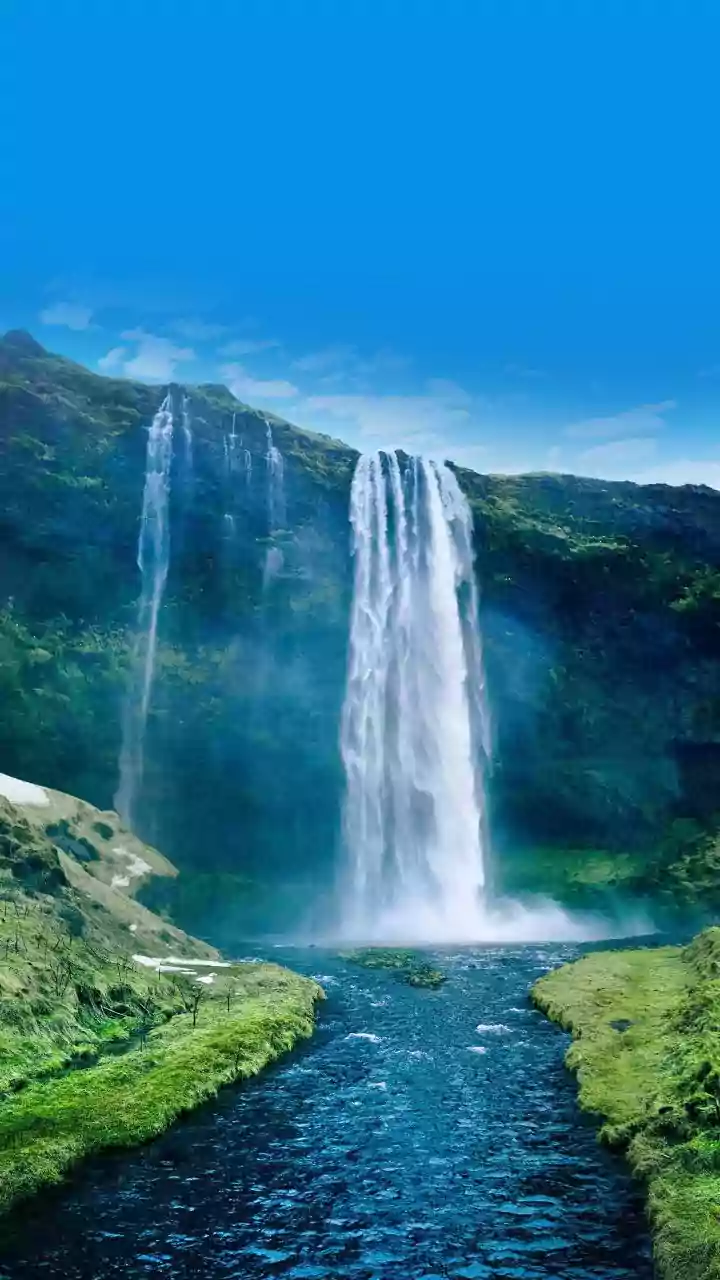
While quiet mornings are the main draw, Jibhi is far from boring. The village serves as an excellent basecamp for low-key adventures. A short, pleasant walk through the woods leads you to the Jibhi Waterfall, a multi-tiered cascade tumbling into a clear, icy pool. It’s an idyllic spot for a picnic or a few hours of quiet contemplation. For those seeking more of a challenge, the drive to Jalori Pass is a must. At over 10,000 feet, the pass offers breathtaking panoramic views of the Greater Himalayan range. From the pass, a relatively easy trek takes you to Serolsar Lake, a sacred body of water surrounded by thick oak and fir trees. The entire area is a gateway to the Great Himalayan National Park, a UNESCO World Heritage site, offering endless opportunities for trekking, bird watching, and angling for trout in the Tirthan River (with a permit).
The Homestay Heartbeat
The experience of Jibhi is intrinsically tied to its accommodations. The rise of cozy, family-run homestays allows for an authentic cultural exchange that’s missing from larger hotel chains. Hosts are often multi-generational families who are eager to share their culture, from cooking lessons to stories about local traditions and folklore. Staying in one of these traditional homes, with their intricate woodwork and slate roofs, feels like stepping back in time. This community-centric tourism model not only provides income directly to local families but also ensures that development remains sustainable and small-scale. It fosters a connection between traveler and host, transforming a simple vacation into a meaningful experience. You arrive as a guest but often leave feeling like part of the family.
Planning Your Quiet Escape
The best time to visit Jibhi is during the spring (April to June) for pleasant weather and blooming flowers, or in the autumn (September to November) for clear skies and crisp air. Winters see heavy snowfall, which can be beautiful but may lead to road closures. For American travelers, the journey involves flying into Delhi (DEL) and then taking a short domestic flight to Bhuntar Airport (KUU) in Kullu. From there, it's best to arrange a pre-booked taxi for the picturesque drive to Jibhi. Pack layers, as temperatures can change quickly in the mountains. And most importantly, come with an open mind. Wi-Fi can be spotty and modern luxuries few, but the rewards—solitude, natural beauty, and genuine connection—are immeasurable.