




Beyond the Neon Afterglow
For many Americans, South Korea exists in the mind as a vibrant whirlwind of K-pop, futuristic technology, and dizzying Seoul nightlife. It’s the land of Samsung and BTS, a place that seems to pulse with a relentless forward momentum. And while that Korea certainly
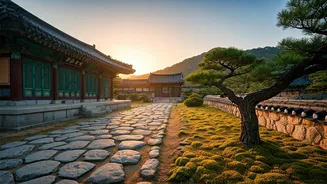
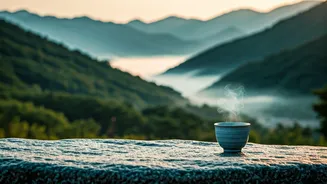
exists, travelers are increasingly seeking out its opposite: the quiet, contemplative soul that emerges in the early hours of the day. This isn't about rejecting the country's dynamic energy, but about balancing it. It’s a rediscovery of the nation’s historical nickname, “The Land of the Morning Calm,” not as a quaint relic, but as a living, breathing experience available to anyone willing to set an early alarm. This shift represents a deeper trend in travel, a move away from simply seeing sights to feeling a place’s rhythm.
The Ritual of Morning Tea
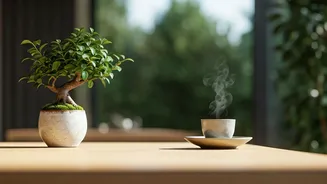
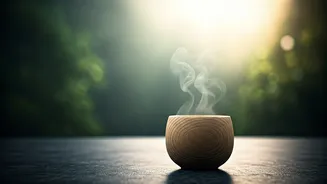
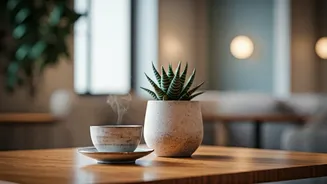
Nowhere is this mood more tangible than in a traditional Korean teahouse, or *hanok chajib*. Tucked away in quiet alleys or housed in beautifully preserved wooden buildings, these spaces are sanctuaries of stillness. As the morning light filters through paper-screen windows, the only sounds are the gentle clink of ceramic and the soft bubbling of water. The experience is a ritual. You’re not just grabbing a caffeine fix; you’re participating in a centuries-old tradition. Choosing from an array of medicinal and floral teas—from bitter *ssanghwa-cha* to delicate magnolia blossom—is part of the slow process. It’s a deliberate act of mindfulness, a way to center yourself before the day’s energy truly kicks in. For travelers accustomed to a grab-and-go coffee culture, the Korean teahouse offers a profound and welcome contrast.
A Walk Through Waking Neighborhoods
The quiet morning mood extends beyond the teahouse and into the streets. Exploring a neighborhood like Seoul’s Bukchon Hanok Village or the tranquil backstreets of Jeonju before 9 a.m. is like stepping into a different world. The tour buses haven't arrived, the selfie sticks are still packed away, and the city belongs to its residents. You’ll see grandmothers tending to their potted plants, hear the metallic clang of shop shutters opening for the day, and smell the first hints of garlic and sesame from home kitchens. A pre-dawn stroll through Noryangjin Fish Market offers a more vigorous but equally authentic slice of morning life, a ballet of commerce and community before the city is fully awake. This is where the true character of a place is found—not in the polished tourist-facing facade, but in the simple, unscripted moments of daily life.
The 'Pali-Pali' Antidote
Korean culture is famous for its concept of *pali-pali*—meaning “hurry, hurry.” It’s the philosophy of speed and efficiency that helped propel the nation’s incredible economic development. But even within Korea, there’s a growing appreciation for its opposite. The quiet morning trend is, in essence, a conscious rejection of the *pali-pali* mindset. For visitors, it’s an antidote to the pressure of a packed travel itinerary. It’s permission to do less, but experience more. Instead of rushing from one palace to the next, it’s about spending two hours observing the world from a cafe window. This intentional slowness allows for a deeper connection, transforming a trip from a checklist of attractions into a restorative and meaningful journey. It's a travel style that nourishes the spirit rather than exhausting it.