



The Ascent to an Oasis
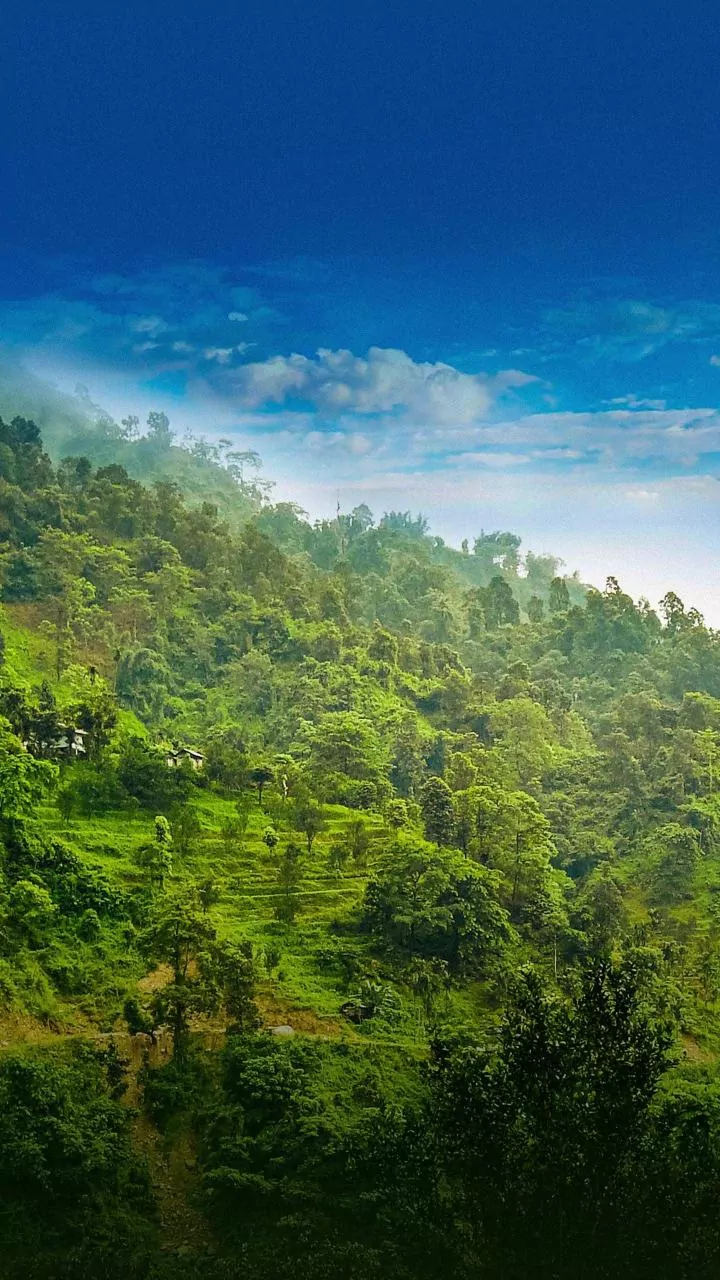
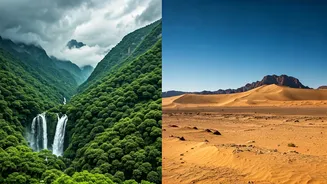
The journey to Mount Abu is a revelation in itself. As you leave the dusty plains of Rajasthan behind, the landscape begins to defy every stereotype you’ve held about India’s “Desert State.” The road snakes upwards, leaving behind the ochre and sand for
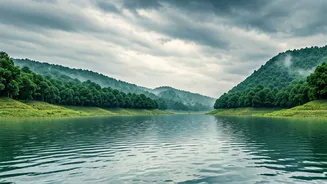
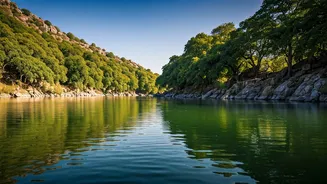
shades of green. The air, once thick with heat, grows crisp and cool. You’re climbing into the Aravalli Range, a mountain chain older than the Himalayas, to the state's only hill station. And at its heart lies Nakki Lake, an unexpected splash of blue surrounded by lush forests and granite hills. For American travelers accustomed to the grand, imposing scale of Jaipur’s Amber Fort or Jodhpur’s Mehrangarh, the arrival at Mount Abu feels like stepping into a different world entirely. It’s not about conquering landscapes; it’s about settling into one.
The Mythical Heart of Mount Abu
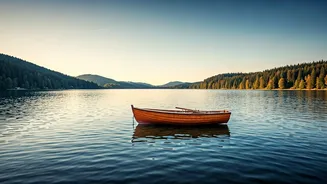
Nakki Lake is more than just a body of water; it’s the town's nucleus, a place woven into local legend. According to one story, the gods themselves dug the lake with their fingernails (or “nakh,” giving it its name) to create a sanctuary. This mythological origin lends a sacred air to the place. Today, it’s a hub of gentle activity. Brightly colored paddle boats and swan-shaped pedalos glide across its surface, creating slow ripples that catch the afternoon sun. Families stroll along the promenade, stopping for roasted corn on the cob or ice cream. Unlike the bustling, chaotic energy of many Indian cities, the vibe here is relaxed, almost leisurely. The path encircling the lake is a pilgrimage of sorts for morning walkers and couples seeking a quiet moment. It's a place where the grandeur of Rajasthan gives way to simple, profound tranquility.
Views from a Toad's Back
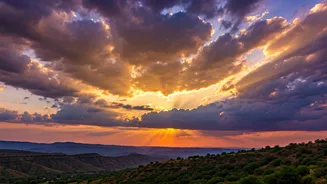
The landscape surrounding Nakki Lake is dotted with bizarre and beautiful rock formations, weathered by millennia of wind and rain. The most famous of these is Toad Rock, a massive stone that, from the right angle, looks uncannily like a toad about to leap into the water. A short, steep climb up a series of stone steps brings you to its perch. From here, the view is breathtaking. The entire town of Mount Abu unfolds below, with Nakki Lake shimmering at its center like a sapphire. You can trace the winding roads, spot the white marble of the Dilwara Temples peeking through the trees, and watch the sun begin its descent toward the horizon. It’s from vantage points like this that you truly grasp how different this corner of Rajasthan is—a cool, green haven that feels more like a mountain retreat in New England than a pocket of the Thar Desert.
A Different Rhythm of Life
Life around the lake moves at a different pace. While other Rajasthani cities are defined by their warrior past and opulent royal history, Mount Abu is a place of leisure and pilgrimage. It’s a popular honeymoon destination for Indian couples and a spiritual retreat for followers of Jainism, who flock to the exquisitely carved Dilwara Temples nearby. The main market, just a short walk from the lake, is less about historical artifacts and more about soft pashminas, wooden toys, and local trinkets. Instead of the intense bartering of a Jodhpur bazaar, the atmosphere is gentler. Here, the “soft side” of Rajasthan isn't just about the landscape; it's about the culture. It’s a place to recharge, to breathe in clean mountain air, and to experience a side of the state that trades a sword for a paddle boat and a fortress for a quiet lakeside bench.