





The Golden Spice's Promise
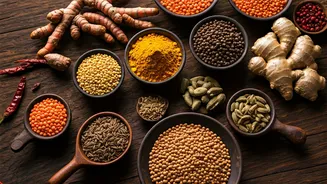
Turmeric, the vibrant yellow spice that gives curry its signature color, has been a cornerstone of Ayurvedic and traditional medicine for centuries. Its fame in the modern wellness world comes from its primary active compound: curcumin. Researchers have
focused heavily on curcumin for its powerful anti-inflammatory properties. When you exercise, especially with resistance training or new movements, you create tiny micro-tears in your muscle fibers. The body’s natural repair process involves inflammation, which leads to the delayed onset muscle soreness (DOMS) you feel a day or two later. By helping to manage this inflammatory response, curcumin can potentially reduce the severity and duration of that soreness, getting you back to your routine faster. Think of it not as a painkiller, but as a supporter of your body’s own recovery systems.
The Big Bioavailability Problem
Here’s the catch that many people don't know: on its own, curcumin is not very effective. The human body struggles to absorb it from the digestive tract into the bloodstream, a concept known as bioavailability. Most of the curcumin you consume is metabolized too quickly by your liver and intestinal wall before it has a chance to provide its systemic benefits. Sprinkling turmeric into your food or smoothie is a great idea, but without a helping hand, you’re likely not getting the full anti-inflammatory effect you’re hoping for. It's like having a key to a door but being unable to get it into the lock. This is where a simple, everyday spice from your pantry changes the entire equation.
Pepper: Turmeric's Essential Partner
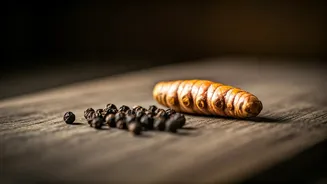
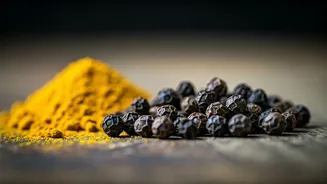
The secret to unlocking turmeric’s power is black pepper. The magic lies in piperine, the active compound that gives pepper its distinct pungent flavor. Piperine is a natural bio-enhancer. It works by inhibiting certain enzymes in the liver and gut that would normally break down curcumin. By running interference on this metabolic process, piperine allows curcumin to remain in the body longer and pass into the bloodstream at much higher concentrations. Studies have shown that combining even a small amount of piperine with curcumin can boost its bioavailability by as much as 2,000%. This synergistic relationship transforms turmeric from a mildly beneficial spice into a potent anti-inflammatory tool. They are the ultimate dynamic duo of the spice rack.
Putting the Power Duo to Work
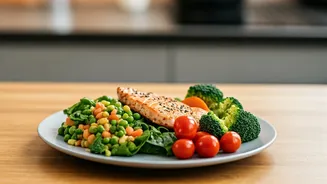
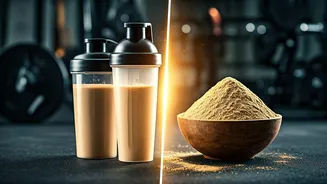
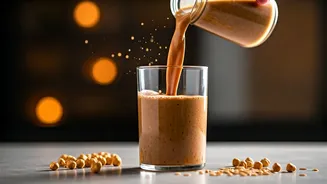
Incorporating this combination into your diet is simple and doesn’t require expensive supplements. The goal is to consume them together. Try these easy methods: - **Post-Workout Smoothies:** Add a teaspoon of turmeric powder and a pinch (about 1/4 teaspoon) of finely ground black pepper to your protein shake or fruit smoothie. The other ingredients will easily mask the pepper’s taste. - **Savory Bowls:** Sprinkle the duo over roasted vegetables, quinoa bowls, lentil soup, or stir-fries. They add a warm, earthy flavor that complements a wide range of dishes. - **Golden Milk Latte:** Whisk a teaspoon of turmeric, a pinch of pepper, and a dash of cinnamon or ginger into a cup of warm milk (dairy or plant-based). Add a touch of honey or maple syrup for sweetness. - **Eggs and Tofu:** Add the spices to your morning scramble, whether it’s made with eggs or tofu, for an anti-inflammatory start to your day. Consistency is more important than quantity. Making this a regular part of your post-workout meal or a daily habit can offer more sustained benefits than using it sporadically.