



Beyond the Compost Bin
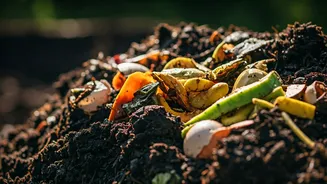
When you hear “zero-waste,” it’s easy to picture the basics: recycling, composting, and avoiding plastic straws. But for a growing number of Indian chefs and restaurateurs, the concept is far more ambitious and creative. It’s a “root-to-shoot” and “nose-to-tail”
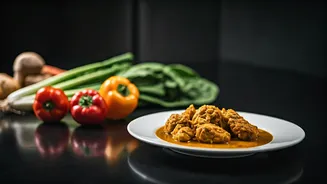
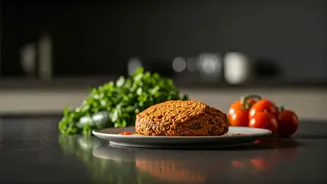
philosophy that sees potential in every peel, seed, and bone. This isn't about deprivation; it's about culinary innovation. Imagine a cocktail infused with a cordial made from leftover citrus rinds that would otherwise be trashed. Picture a crispy, savory snack made from potato peels, or a rich stock simmered for hours using vegetable scraps and bones. In these kitchens, the “trash” bin is seen not as an endpoint, but as a failure of imagination. Everything from watermelon rinds being pickled to coffee grounds being used to smoke meats is on the table. It’s a comprehensive approach that re-engineers the entire kitchen workflow, from sourcing ingredients to plating the final dish.
The Pioneers on the Plate
This movement isn't just a theory; it’s being deliciously executed in restaurants across India’s major cities. In Mumbai, restaurants like The Bombay Canteen and O Pedro have become famous for their inventive approach. They might use the fibrous, often-discarded leaves of a cauliflower to make a puree, or transform overripe bananas into a decadent dessert sauce. Chef Amninder Sandhu, known for her gas-free kitchen at former restaurant Arth, has long championed traditional cooking methods that inherently reduce waste. At Noon in Mumbai, Chef Vanika Choudhary’s menu is a masterclass in using indigenous, often-overlooked ingredients in their entirety. Similarly, a cafe called The Green Tummy in Pune was designed from the ground up to minimize its environmental footprint, composting all wet waste to use as fertilizer. These establishments are proving that sustainable practices can elevate the dining experience, making it more interesting, authentic, and connected to the local ecosystem. They are not just serving meals; they are serving a story about where food comes from and where it doesn't have to go.
An Old Idea, Made New
What makes this trend so powerful in India is that it’s not entirely new. It’s the revival and modernization of age-old cultural wisdom. For generations, Indian households have practiced resourcefulness out of necessity and respect. The concept of 'jugaad'—a frugal and clever form of innovation—is a national characteristic. Grandmothers have always known how to turn vegetable peels into chutneys or leftover rice into crispy snacks. Furthermore, there’s a deep-seated cultural and spiritual respect for food. In Hinduism, food is considered a gift from the gods, and wasting it is seen as disrespectful. This modern zero-waste movement taps directly into these inherited values, framing sustainability not as a trendy Western import, but as a return to authentic Indian principles. It resonates because it feels both revolutionary and familiar at the same time.
Challenges on the Path to Zero
Of course, the path to a zero-waste future is not without its bumps. For every pioneering chef, there are significant logistical hurdles. India’s supply chains can be inconsistent, making it difficult to source directly from farms and control packaging. There is a lack of widespread municipal infrastructure for industrial-scale composting or recycling, forcing restaurants to create their own, often costly, systems. There’s also the challenge of consumer education. Some diners, accustomed to seeing pristine, uniform vegetables, might be skeptical of “ugly” produce, even though its taste is unaffected. convincing a customer that a dish made from scraps is a premium, innovative creation requires a shift in mindset. However, as these restaurants gain critical acclaim and a loyal following, they are slowly changing perceptions and proving that the most sustainable choice can also be the most delicious.