


Redefining 'Cooking'
When we hear “cooking,” our minds often jump to a roaring oven, a sizzling stovetop, or a grill billowing smoke. Minimal-heat cooking asks us to expand that definition. It’s not just about no-cook meals like salads, though those are part of it. It’s a strategic
approach that prioritizes techniques and tools that get the job done with the least possible heat output. This can mean leveraging the power of acidity to “cook” fish for ceviche, using an immersion blender to whip up a cold gazpacho, or relying on a suite of countertop appliances that are far more efficient and targeted than their full-sized counterparts. It’s about working smarter, not hotter.
The 'Smart' Part: Your Utility Bill Will Thank You
The most obvious benefit of avoiding the oven is personal comfort, especially from June to September. But the “smart” part of this equation is rooted in pure efficiency. A standard electric oven can draw between 2,000 and 5,000 watts. Your air fryer? Around 1,500. Your microwave? Even less. By opting for a smaller, more contained appliance, you’re not just avoiding residual heat that your air conditioner has to fight—you’re using significantly less energy for the task itself. This isn’t just an environmental nod; it’s a direct saving on your utility bill. Over the course of a summer, the cumulative effect of using a toaster oven for a small batch of roasted vegetables instead of preheating the entire oven is surprisingly significant. Plus, less time spent actively manning a hot stove frees you up for, well, anything else.
The 'Lazy' Part: Embrace Strategic Food Prep
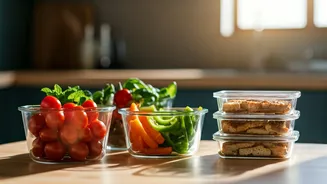
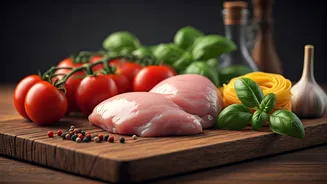
Here’s the secret: the “lazy” in “lazy smart” isn’t about being idle. It’s about being strategic. Minimal-heat cooking often shifts the effort from the 30 minutes before dinner to a more convenient time. This is the art of the batch prep. You might spend 20 minutes on a Sunday afternoon making a big container of quinoa, grilling a few chicken breasts (a short burst of heat for a week of meals), chopping veggies, and whisking together a killer vinaigrette. With that work done, weekday “cooking” becomes an act of assembly. You’re not slaving away; you’re composing a grain bowl, building a wrap, or tossing a hearty chicken salad. This front-loading of effort means that when you’re tired and hungry on a Tuesday night, the path to a delicious, satisfying meal is a five-minute, no-sweat affair.
Your Minimal-Heat Arsenal
Success here is about having the right tools and techniques in your mental toolkit. The microwave is your friend for more than reheating coffee; it’s a master steamer for vegetables and a quick way to cook potatoes. An air fryer can deliver crispy, oven-like results with a fraction of the preheat time and energy. A good food processor or high-speed blender can create soups, dips, and sauces in minutes. Don’t underestimate the power of your kettle for more than tea—use it to quickly rehydrate couscous or soften rice noodles. And finally, learn to love acid. A sharp vinaigrette can wilt sturdy greens like kale into a tender salad, and a citrus-based marinade is all you need to turn raw fish into a bright, refreshing ceviche.
Gateway Meals for the Uninitiated
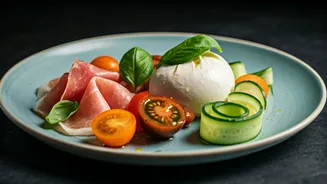
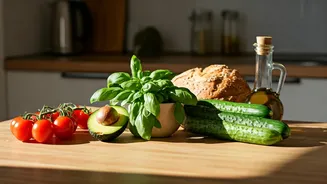
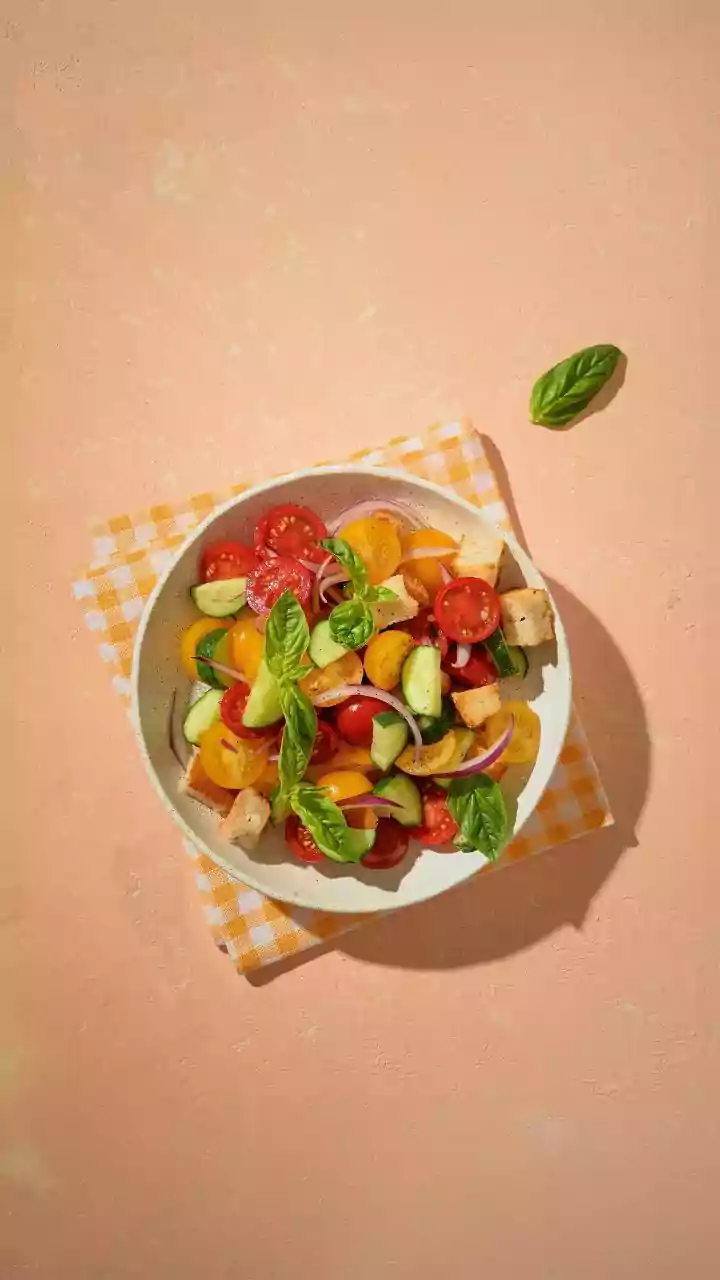
Ready to dip your toe in the cool waters of minimal-heat cooking? Start simple. A classic Caprese salad with high-quality tomatoes, fresh mozzarella, and basil requires only a knife. Graduate to a modern tuna salad, swapping heavy mayo for a mix of Greek yogurt, lemon juice, and fresh herbs, served in lettuce cups. Try making summer rolls with rice paper wrappers, pre-cooked shrimp, and fresh vegetables—the only heat required is boiling water to soften the wrappers. A hearty grain bowl with canned chickpeas, pre-cooked grains, and a lemon-tahini dressing is another winner. These dishes aren’t just about avoiding heat; they are vibrant, fresh, and delicious in their own right.