






The Trouble with Turf
For decades, the perfect lawn has been a symbol of suburban success. But that pristine patch of green comes at a high ecological cost. Most turfgrasses are not native to the regions where they are planted, and they create what ecologists call a “green
desert.” These manicured landscapes offer virtually no food or shelter for local wildlife, particularly the insects that form the base of our food web. A typical lawn requires significant resources to maintain. It consumes vast amounts of water—a critical issue in drought-prone areas—and often depends on chemical fertilizers and pesticides that can pollute waterways. In supporting a single, non-native species, the traditional lawn effectively erases the complex, vibrant habitat that was there before, leaving birds, bees, and butterflies with nowhere to go and nothing to eat.
The Native Plant Solution
The comeback of local flora is being driven by the simple but powerful idea of planting native species. Native plants are the trees, shrubs, grasses, and flowers that have co-evolved for thousands of years with the specific climate, soil, and wildlife of a region. Unlike exotic ornamentals from other continents, they are perfectly adapted to their local conditions. This movement has been championed by experts like entomologist Doug Tallamy, whose research highlights a critical connection: native plants host native insects, and native insects are the primary food source for birds and other wildlife. For example, a native oak tree can support over 500 species of caterpillars, while a non-native ginkgo tree supports almost none. By choosing native plants, gardeners and homeowners are not just landscaping; they are actively rebuilding a functioning ecosystem, one backyard at a time.
Benefits Beyond the Birds and Bees
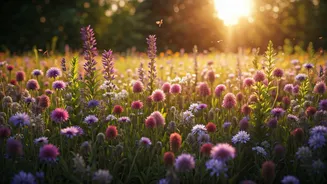
The advantages of embracing local flora extend far beyond wildlife support. Because native plants are adapted to the local climate, they generally require far less watering once established, helping conserve a precious resource. They also have less need for fertilizers and pesticides, as they have natural defenses against local pests and diseases. This translates into less work, lower costs, and a healthier environment for families and pets. Furthermore, native gardens offer a beauty that is both unique and dynamic. They change with the seasons, providing visual interest year-round, from spring wildflowers to autumn seed heads that feed winter birds. They restore a sense of place, reflecting the natural heritage of a region rather than a generic, one-size-fits-all landscape.
How the Comeback is Taking Shape
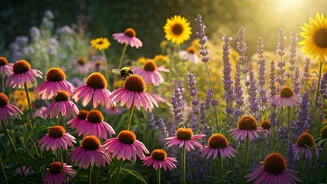
This ecological restoration isn’t just for homeowners with sprawling yards. The movement is accessible to everyone. Urban dwellers are planting native wildflowers like coneflowers and milkweed in balcony containers to attract monarch butterflies. Community groups are converting neglected public spaces and roadside medians into pollinator-friendly havens. Some homeowners' associations are even rewriting their rules to permit and encourage native landscapes over traditional lawns. Organizations like the National Wildlife Federation and the Audubon Society are providing resources, plant lists, and certifications to guide people. Nurseries are increasingly stocking local ecotypes, making it easier than ever to find the right plants for your specific area. The shift is underway, moving from a niche hobby to a mainstream principle of responsible land stewardship.