



From Kitchen Staple to Viral Aesthetic
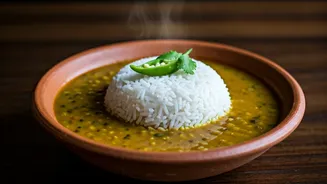
The videos follow a familiar, hypnotic formula. It starts with perfectly cooked basmati rice, fluffy and distinct. Then comes the dal—a creamy, golden lentil stew, perhaps spiced with turmeric and cumin. A hand, often adorned with simple jewelry, mixes
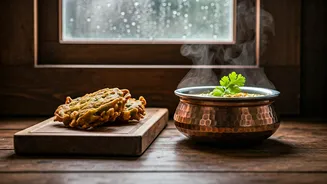
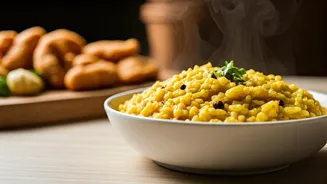
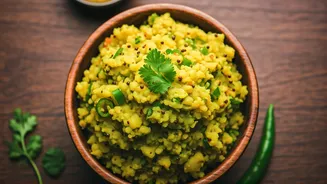
them together. The final touch is the *tadka* or tempering: hot ghee or oil infused with spices, sizzled and poured over the top, creating a sensory climax. The camera lingers on the steam, the textures, the sheer, unadulterated comfort of it all. It’s not just food; it’s a whole mood. Dubbed ‘dal chawal’ on the platform, these clips aren’t instructional cooking videos. They are short-form visual poems dedicated to the most humble of meals. The lighting is soft, the kitchens are clean, and the final dish is presented not on a chipped plate but in an aesthetically pleasing ceramic bowl. This is the romanticization engine of social media at its finest, turning a simple, everyday meal into a coveted experience.
The Soul Food of a Subcontinent
For an American audience, the closest equivalent might be a perfect grilled cheese with tomato soup, or a creamy bowl of mac and cheese—but even that comparison falls short. In India, dal and rice, or ‘dal bhat’, is more than just a meal; it's a cultural bedrock. It’s the first solid food a baby eats and the last comfort a sick person craves. It’s ‘ghar ka khana’—home-cooked food—a phrase loaded with emotional weight, evoking maternal love, security, and a respite from the outside world. Every region, every household, has its own version. Some are thick, some are thin; some are spicy, some are mild. It’s the culinary constant in a country of staggering diversity. This deep-seated cultural significance is precisely why its romanticization on social media is so potent. It’s not just about aesthetics; it’s about tapping into a collective memory of comfort and belonging.
A Craving for Comfort and Authenticity
So why is this trend resurfacing now? The word ‘again’ in the headline is key. This isn’t the first time simple food has been elevated online, but the current wave feels different. Part of it is a predictable backlash against the more complex, performance-heavy food trends of the last decade—the molecular gastronomy, the deconstructed dishes, the elaborate multi-course tasting menus. In a world saturated with intimidating recipes and unattainable restaurant meals, the simplicity of dal and rice feels like a revolutionary act of self-care. It’s also a powerful tool for connection, especially for the vast Indian diaspora. For a young Indian American living thousands of miles from family, a 15-second Reel of someone mixing dal and rice can trigger a profound sense of nostalgia and cultural connection. It’s a visual reminder of home, accessible with a simple tap and scroll.
The Paradox of Performed Simplicity
Herein lies the interesting paradox. The trend celebrates simplicity, yet the production of these Reels is anything but. Achieving that ‘effortlessly simple’ look requires good lighting, careful camera angles, multiple takes, and savvy video editing. It’s a highly curated performance of authenticity, much like the ‘cottagecore’ aesthetic that romanticizes a simple, rustic life while being largely sustained by high-speed internet and Amazon deliveries. This isn’t a criticism, but an observation of how culture now operates. Authenticity is no longer just about being; it’s about projecting a certain kind of being. The desire for a simple bowl of dal and rice is real, but expressing that desire now involves framing it in a way that’s compelling to a digital audience. The meal itself is simple, but the message it carries—of grounding, comfort, and cultural pride—is complex and carefully packaged for mass consumption.