


The Magic of a Rainy Day Snack
In South Asia, the monsoon isn't just a weather pattern; it's a cultural event. After months of scorching heat, the rains bring relief, renewal, and a collective sigh of contentment. This cozy, contemplative mood creates the perfect backdrop for comfort
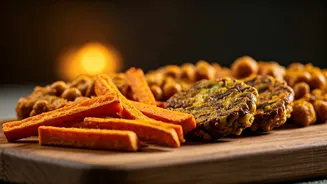
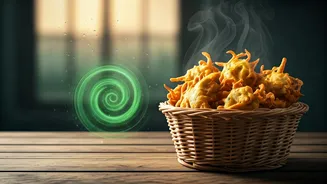
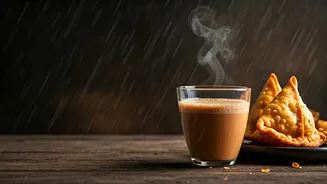
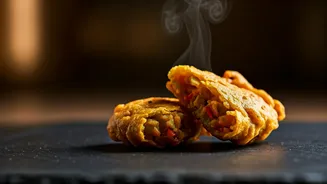
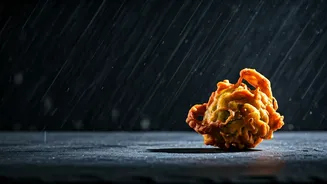
food. Enter the pantheon of fried monsoon snacks: pakoras (vegetables or cheese dipped in chickpea flour batter and fried), samosas (savory pastries filled with spiced potatoes and peas), and bhajis (fritters, often with onion). These aren't just food; they're a tradition. They are the centerpiece of impromptu gatherings, the reward at the end of a workday spent navigating wet streets, and the edible equivalent of a warm hug. Paired with a steaming cup of masala chai, the combination is a sensory masterpiece—the crisp, salty exterior of a pakora giving way to a soft, steamy interior, all washed down with a sweet, spicy brew. It's a ritual that connects family, friends, and generations.
Why We Crave the Crunch
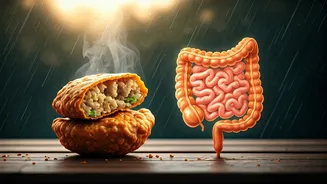
This craving isn’t just cultural nostalgia; it's rooted in our biology. Gloomy, overcast weather can cause a slight dip in serotonin, the body's 'feel-good' chemical. Our brains instinctively seek a quick fix, and carbohydrate-rich, high-fat foods are a highly effective delivery system. The act of eating something fried provides an immediate energy boost and triggers pleasure centers in the brain. The satisfying crunch and rich flavor profile are powerful mood enhancers. Think of it as your body’s natural response to a dreary day. It’s the same reason you might crave mac and cheese during a snowstorm or a hearty stew on a cold autumn evening. The monsoon craving for fried food is a specific, culturally framed version of this universal human impulse for comfort and warmth when the world outside feels a little damp and gray.
The Uncomfortable Reality Check
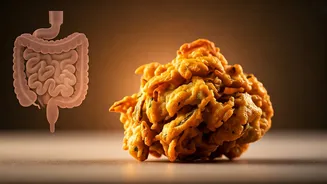
Here's where the romance meets reality. While an occasional indulgence is part of a balanced life, making deep-fried snacks a regular feature of your rainy-day routine comes with significant health costs. The 'fried' in fried food is the problem. Deep-frying submerges food in hot oil, causing it to absorb a large amount of fat, which dramatically increases its calorie count. A few innocent-looking pakoras can easily pack several hundred calories. Furthermore, when oils are heated to high temperatures, they can form unhealthy trans fats, which are linked to an increased risk of heart disease. The high salt content, essential for that savory kick, can also contribute to high blood pressure over time. The tradition was born in an era of more physical labor and less-frequent indulgence. In our modern, more sedentary lives, the cumulative effect of these delicious but nutritionally-dense snacks can easily lead to weight gain and other metabolic issues.
Enjoy the Tradition, Smarter
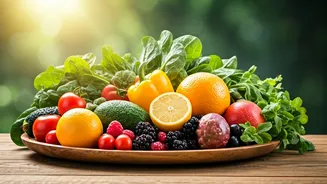
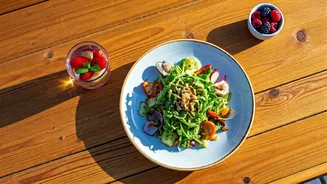
Giving these snacks a 'reality check' doesn't mean banishing them forever. It means evolving the tradition to fit a modern, health-conscious lifestyle. The good news is, technology and a little creativity make it easy. The air fryer is a game-changer here, capable of producing a remarkably satisfying crunch with a fraction of the oil. You can get that crispy exterior on samosas and pakoras using just a light spray of oil. Baking is another excellent option. Arrange your battered vegetables or filled pastries on a baking sheet, give them a light brush with oil, and bake at a high temperature until golden and crisp. You can also make simple swaps in the recipe itself. Try using whole wheat flour for samosa dough, load up your pakora batter with more vegetables to increase fiber, or serve them with a fresh, vibrant mint-coriander chutney instead of a sugary tamarind sauce. These adjustments preserve the soul of the snack while minimizing the nutritional downside.