




The Shrinking Weekend Problem
In our hyper-connected, clock-driven lives, the weekend often fails to deliver on its promise of rest. A quick trip can feel frantic, packed with logistics and the pressure to maximize every minute. We swap our office inbox for a packed itinerary, and the mental
reset we crave never quite materializes. We return home feeling like we simply relocated our stress for two days. The problem isn’t always the length of the trip, but its texture. A weekend spent navigating crowded city streets or hopping between trendy restaurants can feel stimulating, but it rarely provides the deep, restorative break that recharges our mental batteries. The constant decision-making and sensory overload keep our brains in the same high-alert mode they operate in during the workweek.
Expanding Your Mental Map
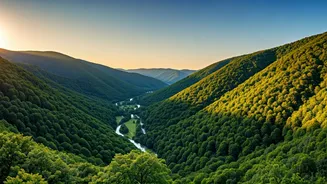
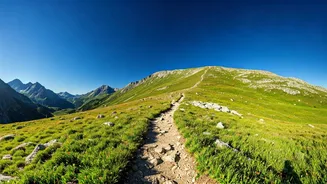
The solution lies in a psychological sleight of hand: choosing destinations that make our world feel bigger. A sprawling green valley, a vast desert vista, a wide-open coastline—these landscapes do more than just provide a pretty view. They fundamentally alter our sense of scale and, with it, our perception of time. When we are surrounded by something immense and timeless, our own urgent, minute-to-minute concerns shrink in comparison. This experience of “vastness” helps break the cycle of anxious clock-watching. Instead of counting the hours until it’s time to go home, your mind is invited to wander across a grander canvas. Neuroscientists and psychologists suggest that new and complex environments, particularly natural ones, require our brains to build a new “mental map.” This cognitive effort is associated with the feeling that more time has passed, effectively stretching your two-day trip in your memory.
The Science of Awe and Restoration
Two key concepts explain why these “green valley” trips feel so potent. The first is Attention Restoration Theory, which posits that nature effortlessly captures our fascination, allowing our capacity for directed, focused attention to rest and recover. Unlike a bustling city that demands constant vigilance (don’t get hit by a cab, find the right subway), a quiet trail or a mountain overlook soothes the overworked parts of our brain. The second element is the emotion of awe. Experiencing awe—the feeling we get in the presence of something vast that transcends our understanding—has been shown to slow down our perception of time. Researcher Dacher Keltner at UC Berkeley calls it a “reset button for the brain.” When you’re staring at a star-filled sky or the sheer scale of the Grand Canyon, your inner monologue quiets down. You’re not thinking about your to-do list; you’re just present. This state of mindful presence is the core of a true vacation.
How to Find Your Own Valley
The “green valley” is more of a concept than a literal instruction. Your restorative landscape might be the rolling hills of Vermont’s Mad River Valley, but it could just as easily be the endless plains of the Kansas Flint Hills, the dramatic coastline of Big Sur, California, or the stark, silent beauty of Joshua Tree National Park. The key is to seek out environments that offer a sense of scale and a break from man-made structures. Look for places with long sightlines: mountain overlooks, ocean shores, or even the vast agricultural fields of the Midwest. The goal is to put yourself in a place where the horizon is the main event. Ditch the minute-by-minute itinerary. Instead, plan your trip around a central, expansive natural feature and allow for unscheduled time to simply exist within it. Pack a simple picnic, find a good spot, and let the landscape do the work.