




The New Aesthetic of Waste
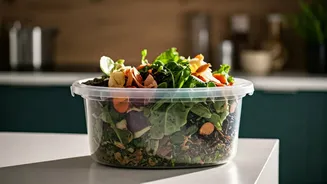
Scroll through TikTok or Instagram Reels and you’ll see it: a glass of water on a sunny windowsill, with the white-and-green stubs of scallions miraculously sprouting new life. You’ll find mesmerizing videos of someone simmering onion skins, avocado pits,
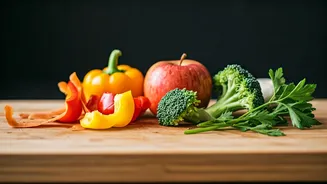
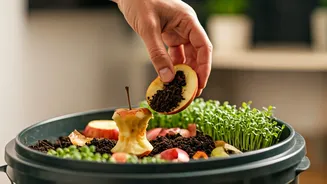
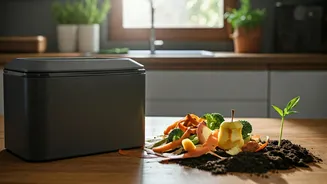
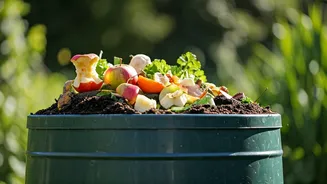
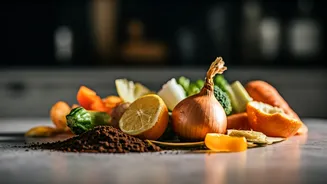
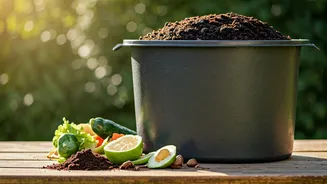
and carrot tops into a rich, golden vegetable broth. Elsewhere, citrus peels are submerged in vinegar to create a fragrant, all-purpose cleaner. This isn’t a fringe activity for die-hard homesteaders anymore; it’s mainstream, aesthetic, and utterly compelling. What was once considered garbage is now being reframed as a resource, a creative project, and, most importantly, high-engagement content. Creators are building entire platforms on the simple, powerful idea that you can get a “second life” out of what you were about to throw away. The transformation is the story: trash becomes treasure, waste becomes want.
Driven by Waste-Not, Want-Not Anxiety
Why this, and why now? The trend is a perfect storm of modern anxieties and digital-age solutions. Firstly, there's a growing, gnawing awareness of food waste. The EPA estimates that food is the single largest category of material placed in municipal landfills in the U.S., contributing to methane emissions and wasting the resources used to grow and transport it. Faced with a systemic problem that feels impossibly large, many people feel powerless. The scrap-saving trend offers a tangible, immediate, and satisfying way to take action. It shrinks the enormous, abstract problem of climate change down to the scale of your own cutting board. It also hits a financial nerve. As grocery prices remain stubbornly high, the idea of getting more value out of every single purchase—making a free broth, regrowing a free vegetable—has undeniable appeal.
The Anatomy of a Viral Hack
This type of content is practically engineered for viral success. It’s visually transformative, which is perfect for short-form video. The before-and-after of a limp celery base turning into a new, crisp stalk is deeply gratifying. It’s also educational, offering a “hack” that feels genuinely useful. The content creator is positioned as a clever, resourceful guide, sharing secret knowledge that saves you money and helps the planet. Crucially, the barrier to entry is almost zero. You don't need special equipment or expensive ingredients. The main ingredient is something you already have: your trash. This accessibility democratizes sustainability, moving it away from an exclusive club of people who can afford pristine bamboo utensils and expensive eco-friendly brands, and putting it in the hands of anyone with a kitchen knife and a glass of water.
Performative Planet-Saving or a Gateway Habit?
Of course, there’s a cynical take. Critics might argue that this is just “performative sustainability”—making a pretty video about regrowing a single onion while ignoring larger consumption habits. Is saving a few carrot tops truly making a dent when systemic issues in agriculture and distribution are the real culprits? Perhaps not on its own. But that view might miss the bigger picture. For many, these small, visible acts are not the destination, but the starting point. Successfully turning peels into broth can be a “gateway drug” to other sustainable practices. It retrains the brain to see potential where it once saw waste. This mindset shift—from a consumer of finished products to a resourceful participant in a cycle—is powerful. The viral content may be the hook, but the habit it inspires could lead to a deeper and more meaningful engagement with environmentalism.