



It All Starts at the Scalp
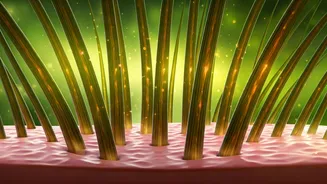
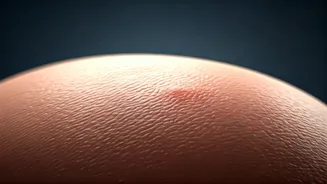
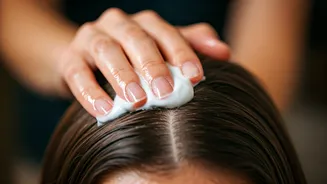
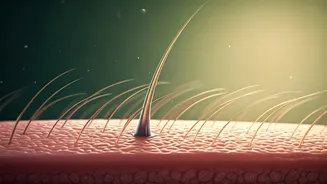
Think of your scalp as the soil from which your hair grows. If the soil isn't healthy, the plant won't be either. The two most common scalp-related issues are imbalances in sebum (natural oil) production and product buildup. An overproductive scalp leads
to greasy, weighed-down hair, while an underproductive or stripped scalp can become dry, flaky, and itchy. Furthermore, styling products, dry shampoo, and even hard water can leave behind residue that clogs follicles, impeding healthy growth and contributing to dullness. A healthy, balanced scalp microbiome is the true foundation for strong, vibrant hair. Without it, you're constantly fighting an uphill battle.
The Cuticle Is Under Attack
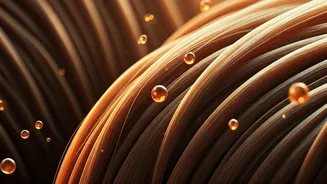
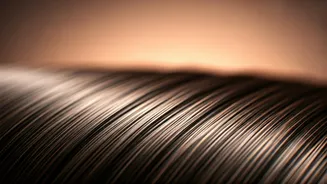
If you picture a single hair strand, its outermost layer is the cuticle, which looks like overlapping shingles on a roof. When hair is healthy, these shingles lie flat, creating a smooth, shiny surface that reflects light and locks in moisture. The root cause of frizz, split ends, and a lack of shine is almost always a damaged, raised cuticle. What causes this damage? The primary culprits are heat styling (flat irons, curling wands), chemical treatments (coloring, relaxing), and environmental stressors like sun exposure and friction from brushing or towels. When the cuticle is lifted and compromised, the hair strand can’t hold moisture effectively, leading to that frizzy, straw-like texture and making it far more susceptible to breakage.
It's an Inside Job: Nutrition's Role
You can own every high-end hair product on the market, but if your body lacks the essential building blocks for hair, you will see the effects. Hair is primarily made of a protein called keratin. A diet lacking in sufficient protein can lead to weaker, more brittle strands. Beyond protein, several micronutrients are critical. Iron deficiency is a well-known cause of hair shedding and thinning, as iron helps red blood cells carry oxygen to your follicles. Zinc plays a vital role in hair tissue growth and repair, while a lack of biotin (Vitamin B7) can also contribute to hair loss. If your hair seems lackluster, weak, or is thinning unexpectedly, examining your diet is a crucial step in identifying a potential root cause.
Hormones and the Hair Growth Cycle
Your hair grows in a cycle with three main phases: growth (anagen), transition (catagen), and resting/shedding (telogen). Hormonal fluctuations are a primary driver behind changes to this cycle, often resulting in increased shedding or thinning. For example, dihydrotestosterone (DHT), a byproduct of testosterone, can shrink hair follicles in genetically susceptible individuals, leading to male and female pattern baldness. Major life events that impact hormones—such as pregnancy, menopause, or periods of intense stress—can also push a large number of hairs into the shedding phase at once, a condition known as telogen effluvium. While often temporary, it demonstrates how deeply our internal state is connected to the health and volume of our hair.