





The Rise of the Domestic Explorer
For decades, the image of an Indian vacation often involved either a pilgrimage to a major religious site or an expensive, once-in-a-lifetime international trip for the affluent. That picture is rapidly changing. The new Indian traveler is more likely
to be a millennial software engineer from Bangalore taking a weekend hiking trip, a family from a mid-tier city like Pune exploring the backwaters of Kerala, or a group of friends road-tripping through Rajasthan. This isn't just a small uptick; it's a seismic event. In 2023, India's domestic air travel market not only recovered from the pandemic but surpassed pre-COVID levels, with airlines carrying a record number of passengers. Hotels in non-traditional tourist spots report sky-high occupancy rates, and a new ecosystem of homestays, boutique hotels, and experience-led tour operators is flourishing. The travel switch is a pivot inward, a collective decision by a new generation of Indians with disposable income to explore their own vast and varied country first.
An Infrastructure Revolution on Rails and Runways
This boom wasn't an accident. It was enabled by one of the most ambitious infrastructure upgrades in the world. For years, train travel in India, while extensive, was often associated with slow journeys and crowded carriages. Enter the Vande Bharat Express. These sleek, semi-high-speed, air-conditioned trains have become a national sensation. With speeds up to 100 mph, airline-style seats, and a reputation for punctuality, they have made intercity travel faster, more comfortable, and aspirational. A journey that once took a whole day can now be a pleasant half-day trip, opening up dozens of new weekend-getaway possibilities. At the same time, the skies have become more accessible. A government scheme called UDAN has focused on building and reviving airports in smaller, Tier-2 and Tier-3 cities, connecting places like Darbhanga in Bihar or Kurnool in Andhra Pradesh directly to major hubs. This has slashed travel times to remote areas and spiritual centers, turning what was once a multi-day ordeal by road or rail into a simple two-hour flight.
From Spiritual Journeys to 'Bleisure' Travel
While traditional pilgrimage remains a powerful force, it’s also getting a modern makeover. The government has heavily promoted spiritual tourism, investing in infrastructure around key religious sites. The city of Ayodhya, for example, received a new international airport and a redeveloped railway station ahead of the inauguration of a major new temple, and it now draws hundreds of thousands of visitors. But the trend goes far beyond religion. A new vocabulary is defining Indian travel. 'Staycations' in luxury hotels within one's own city became popular post-pandemic. 'Bleisure'—tacking leisure days onto a business trip—is now standard practice for the country’s mobile workforce. Younger travelers, influenced by Instagram and a desire for authentic experiences, are seeking out off-the-beaten-path destinations, from the serene beaches of the Andaman Islands to the Himalayan landscapes of Ladakh. This diversification of travel motives is creating demand for a wider range of accommodations and activities, moving beyond the standard five-star hotel or budget lodge.
Why This Matters Beyond India
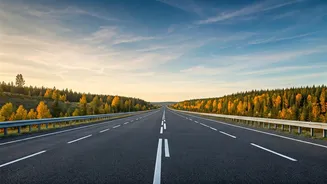
This domestic travel explosion offers a compelling glimpse into India's economic transformation. It reflects the growing purchasing power and shifting priorities of the world's largest middle class. For American travelers and businesses, this trend signals a major change in the landscape. The India you can visit today is more accessible than ever before. The infrastructure built for domestic tourists—the new airports, faster trains, and better roads—also benefits international visitors, making it easier to explore beyond the classic “Golden Triangle” of Delhi, Agra, and Jaipur. Furthermore, as domestic travelers discover and popularize new destinations, they create a roadmap for future international tourism. The hidden gems of today are poised to become the global hotspots of tomorrow. This switch isn't just about Indians seeing more of India; it’s about the entire country opening up in a way that will permanently alter how the world experiences it.