

The Backlash Against Beige
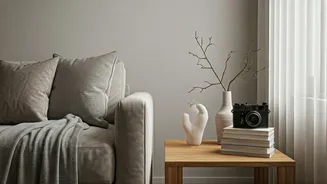
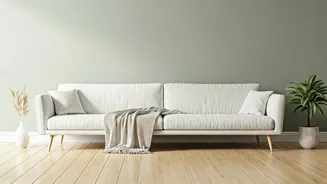
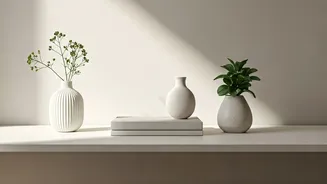
Remember the 2010s? It was the era of grayscale everything. The dominant aesthetic, fueled by Instagram and HGTV, was a specific brand of wealthy minimalism: vast, open-plan spaces, sparse modern furniture, and a color palette that ranged from light gray to
slightly darker gray. The goal was to look clean, expensive, and impersonal, like a luxury hotel you could never quite relax in. But after a decade of decluttering gurus telling us to discard anything that didn't “spark joy,” a collective exhaustion set in. This reaction was perfectly captured by the viral “sad beige baby” trend, mocking the joyless, colorless world being curated for a new generation. We hit peak minimalism, looked around our empty, echoey living rooms, and realized we’d edited all the personality out.
Decor as a Security Blanket
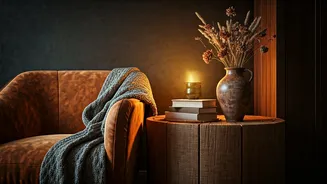
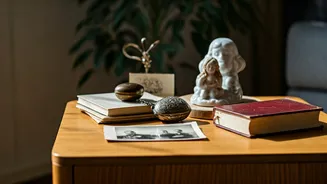
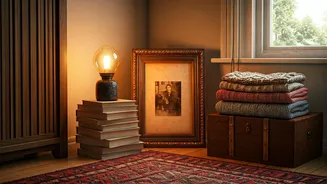
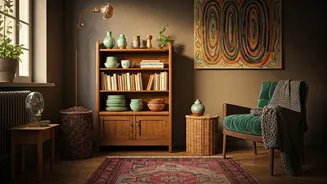
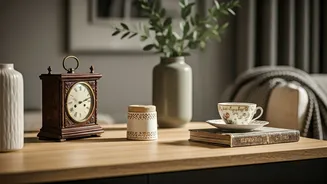
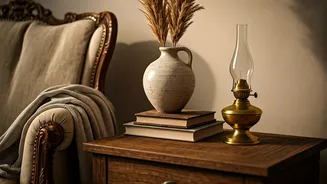
The pendulum is swinging hard in the other direction, toward what you might call “sentimental maximalism.” In a world that feels increasingly unstable and digitally driven, our homes have become our sanctuaries more than ever. The turn toward nostalgia isn't just about aesthetics; it's deeply psychological. Surrounding ourselves with objects that have a history—whether it's our own or someone else's—is comforting. That kitschy ceramic mushroom from the ‘70s, your grandmother’s slightly chipped china, a gallery wall of mismatched thrift-store art—these items ground us. They serve as tangible links to a past that feels simpler and safer. In an age of anxiety, curating a home that feels like a warm hug is a powerful act of self-care. Your decor becomes a security blanket woven from memories and meaning.
Curation, Not Clutter
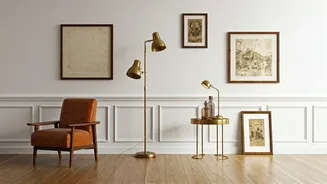
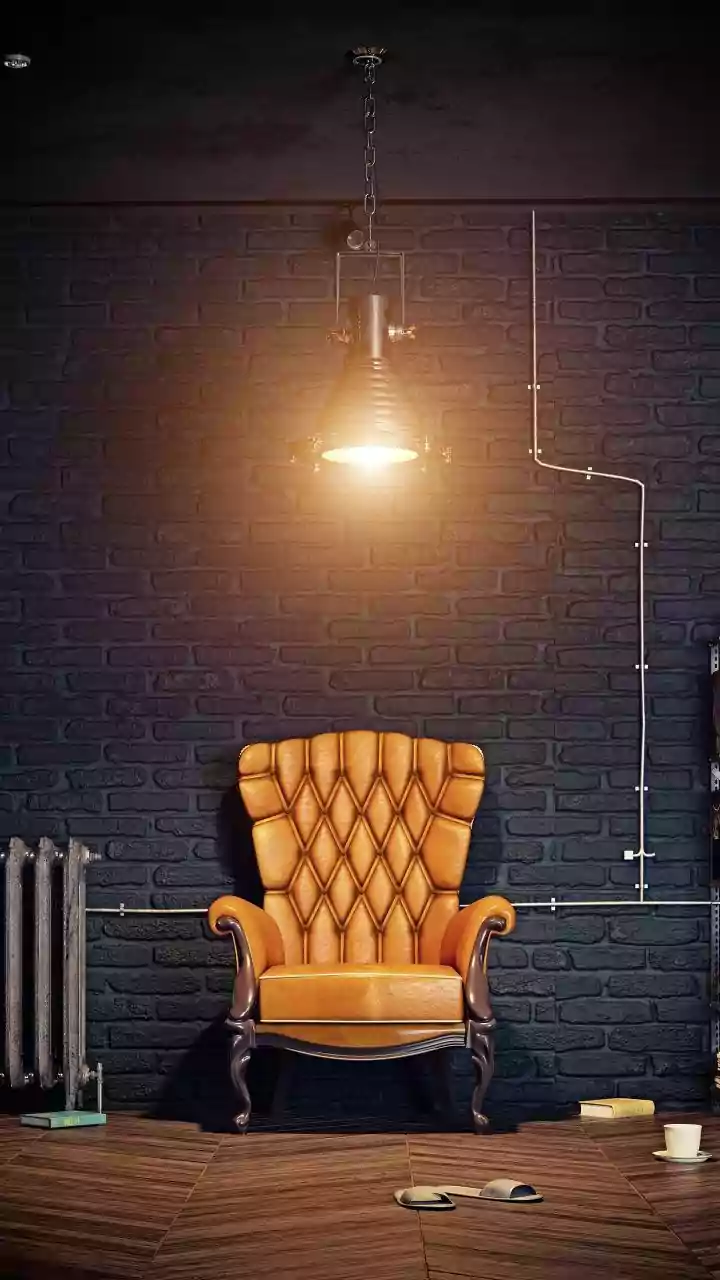
This is the key difference that makes it a “flex.” This isn't about hoarding. It's about intentional curation. The new status symbol isn't a $10,000 sofa that everyone has, but the one-of-a-kind vintage velvet armchair you haggled for at a flea market. The flex is the story. It’s showing off your personality, your history, and your taste through the objects you choose to live with. This ethos powers trends like “bookshelf wealth,” where the focus is on displaying a life rich with reading and travel, not just expensive objects. The flex is in the mix: the high-end speaker next to a stack of beloved paperbacks, the inherited oil painting hanging over an IKEA sideboard. It proves you have more than just money; you have a point of view.
Your Nostalgia May Vary
What makes this trend so enduring is its personal nature. Unlike minimalism's one-size-fits-all approach, nostalgia is specific to your own life experience. For older millennials, this might manifest as “Grandmillennial” style—a loving embrace of floral chintz, ruffled lampshades, and needlepoint pillows that remind them of their grandparents' cozy, welcoming homes. For Gen Z, the nostalgia is for a more recent past. They’re ironically (and unironically) reviving Y2K decor: inflatable chairs, beaded curtains, fuzzy rugs, and lava lamps. The specific objects change, but the impulse is the same: to reclaim the visual language of one’s youth and build an environment that feels uniquely, authentically your own.