



A Landscape Beyond Imagination
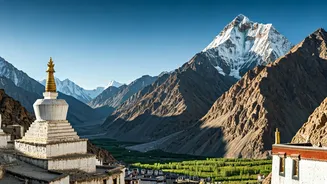
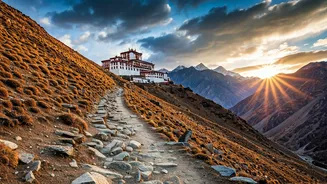
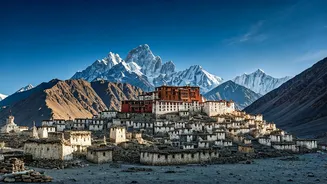
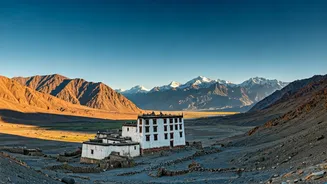
Perched at nearly 12,000 feet in the rugged landscapes of Ladakh, India, Hemis Monastery is not just a building; it’s an experience inseparable from its environment. For photographers, the journey begins long before they press the shutter. The drive itself,
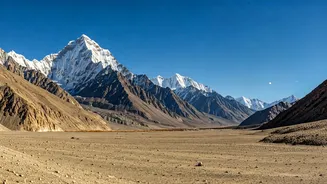
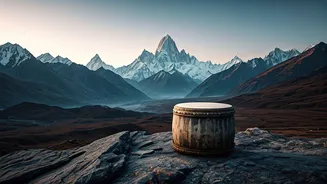
through winding mountain passes and arid, moon-like valleys, strips away the familiar, preparing the eye for something new. The monastery is nestled in a gorge, hidden from the main valley, which adds to its mystique. The surrounding barren mountains provide a dramatic, almost theatrical, frame. This stark geography means the monastery doesn't just sit in the landscape—it commands it. Photographers are drawn to this contrast: the raw, untamed power of the Himalayas cradling a jewel of human devotion. The scale is humbling, forcing a perspective shift that translates directly into more thoughtful, powerful images.
The Play of Light and Color
Photography is, at its core, the art of capturing light. And the light at Hemis is legendary. The high altitude and clear, unpolluted skies create a quality of light that is both harsh and pure. Shadows are deep and defined, while sunlit surfaces glow with an intense clarity. This dynamic interplay changes dramatically throughout the day. Early morning light catches the golden finials on the rooftops, making them appear to burn. Midday sun bleaches the white stupas, creating minimalist, high-contrast scenes. But it’s the late afternoon, the 'golden hour,' that many wait for. As the sun dips, it bathes the entire complex in a warm, ethereal glow, softening the stone and deepening the rich reds, blues, and golds of the murals and woodwork. This daily performance of light offers a constantly shifting canvas, providing endless opportunities for capturing the monastery’s many moods.
Architecture as a Spiritual Statement
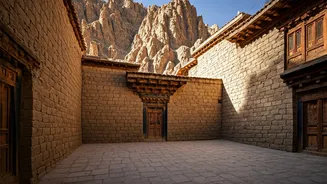
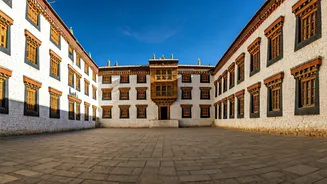
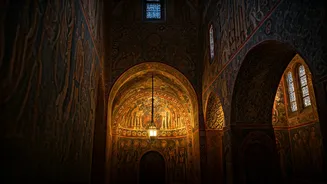
Hemis is the wealthiest and most significant monastery of the Drukpa lineage, a branch of Tibetan Buddhism, and its architecture reflects this status. It’s a labyrinth of courtyards, temples, and prayer halls built over centuries. For a photographer, it’s a treasure trove of texture, pattern, and detail. Brightly painted window frames pop against whitewashed stone walls. Intricately carved wooden pillars tell ancient stories. Prayer wheels, polished smooth by countless hands, offer repeating circular motifs. Fluttering prayer flags in five symbolic colors create kinetic splashes against the sky. Every corner holds a potential composition, a story of faith told through wood, stone, and pigment. To photograph Hemis is to document a living tradition, where every architectural element is steeped in meaning and symbolism.
The Human Element: Faces of Devotion
A place, however beautiful, is incomplete without its people. The true spirit of Hemis is found in the individuals who inhabit it. Photographers flock here not just for empty landscapes but for the profound human moments that unfold daily. There are the monks, young and old, wrapped in deep maroon robes. A young novice might be caught in a moment of playful distraction, while a senior monk’s face, etched with lines of wisdom and contemplation, tells a story a thousand words could not. Then there are the Ladakhi pilgrims, their vibrant traditional clothing and weathered, prayerful expressions offering a powerful counterpoint to the serene monks. Capturing a candid glance, a quiet moment of prayer, or the simple act of turning a prayer wheel provides the emotional heart of a visual story. It’s these unposed, authentic moments that elevate a travel snapshot into a timeless portrait of faith.
The Spectacle of the Hemis Festival
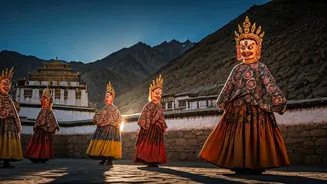
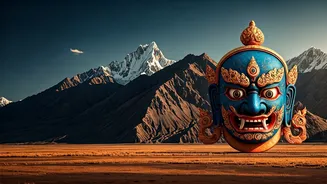
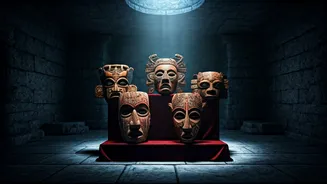
Once a year, the monastery’s quiet courtyards erupt in a riot of sound and color for the Hemis Festival. This two-day event, celebrating the birth of Guru Padmasambhava, is the ultimate photographic prize. The highlight is the Cham dance, where monks don elaborate, often fearsome, masks and silk costumes to perform ritual dances. The courtyard overflows with locals and travelers, creating a vibrant, chaotic, and utterly mesmerizing scene. For a photographer, it's a sensory overload in the best possible way—a chance to capture motion, pageantry, and collective spiritual ecstasy. The sheer density of visual information, from the intricate details of a mask to the ecstatic faces in the crowd, makes the festival a pilgrimage in its own right for those chasing the definitive spiritual visual.