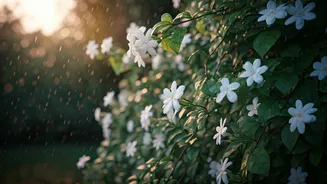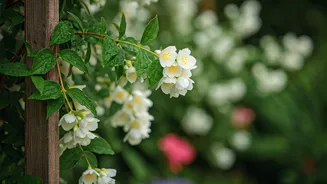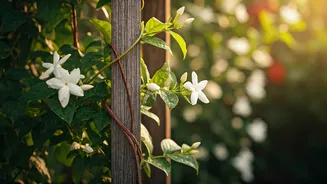





The Promise of a Fragrant Summer
Mention the word “jasmine,” and you’re likely to evoke an image of a warm, moonlit evening, the air thick with an impossibly sweet and romantic scent. It’s the fragrance of southern porches and hidden courtyards. For many gardeners, however, the dream
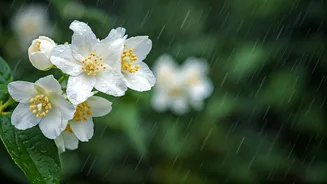
of growing it is tempered by the fear of nurturing a delicate, tropical diva. We associate such profound beauty with high-maintenance care, assuming it will faint at the first sign of trouble. But this is where jasmine’s reputation deserves a second look. While its blossoms are the definition of delicate elegance, the plant itself is a surprisingly tough survivor. It’s not just a pretty face; it’s a workhorse cloaked in poetry, uniquely suited to the very conditions that cause other popular flowers to surrender: intense heat, thick humidity, and the drenching rains of an American summer that can feel positively torrential.
Why It Thrives in Heat and Humidity
The term “monsoon beauty” perfectly captures jasmine’s secret weapon. Many varieties are native to tropical and subtropical regions of Eurasia and Oceania, meaning they are genetically programmed to flourish when the weather gets steamy. Unlike plants from drier climates that are prone to fungal diseases like powdery mildew when the air is heavy with moisture, jasmine handles humidity with grace. Good air circulation is still beneficial, but it won’t collapse into a pile of diseased leaves the way a rose or a zinnia might during a damp, hot week.
Furthermore, jasmine loves the heat that sends other plants into dormancy. When temperatures climb, many jasmine varieties simply ramp up their growth and flower production. This resilience makes them a stellar choice for gardeners in the South, the Midwest, or anywhere that July and August bring a wave of soupy, uncomfortable air. It’s a plant that doesn’t just tolerate summer; it actively enjoys it.
Choosing the Right Jasmine
The “low-drama” experience starts with picking the right type for your garden. The world of jasmine can be slightly confusing, as some plants that share the name aren’t true jasmines (*Jasminum*) but are loved for similar reasons. Here are two excellent, widely available choices:
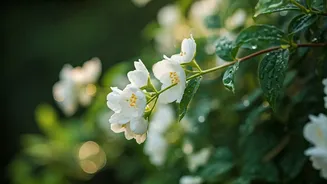
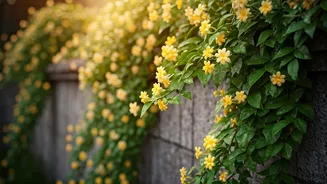
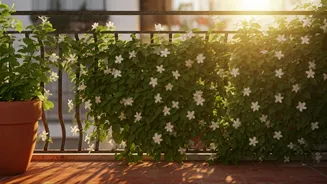
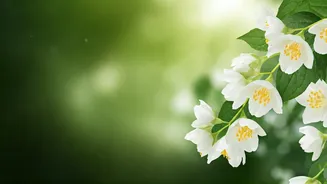
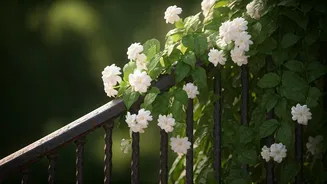
**Star Jasmine (*Trachelospermum jasminoides*):** Technically a “false jasmine,” this is the powerhouse you see covering trellises and fences across the country. It’s an evergreen vine with glossy, dark green leaves and a profusion of pinwheel-shaped, intensely fragrant flowers in late spring and early summer. It’s incredibly hardy (to about 10°F, or USDA Zone 8), drought-tolerant once established, and thrives in full sun to partial shade. Its vigorous nature makes it a perfect, low-effort screen.
**Common White Jasmine (*Jasminum officinale*):** Also known as Poet’s Jasmine, this is a true jasmine and the source of the classic scent used in perfumes and teas. It’s a deciduous vine, meaning it will lose its leaves in winter in cooler climates (hardy to Zone 7). It produces delicate white flowers from late spring through fall, offering a longer blooming season. It’s less dense than Star Jasmine but equally easy to grow on a trellis or arbor, asking only for a sunny spot and moderate water.
Simple Care for Summer Success
Embracing jasmine’s low-maintenance nature is easy. Forget complicated feeding schedules or constant vigilance. The basics are straightforward:
* **Sun:** Most jasmines perform best with at least six hours of direct sunlight per day. More sun generally equals more flowers.
* **Water:** Water deeply when you first plant it to help establish a strong root system. Once established, many varieties are quite drought-tolerant. They appreciate consistent moisture but hate sitting in soggy soil, so well-draining ground is key. The heavy rains of summer rarely bother them as long as the water can drain away.
* **Support:** If you’ve chosen a vining variety, provide a sturdy trellis, fence, or arbor from the beginning. Guide the young stems in the direction you want them to grow; they will quickly take hold and do the rest of the work themselves.
* **Pruning:** The best time to prune is right after the plant has finished its main flush of flowering. This cleans up the shape and encourages new growth for the next season’s blooms. A light trim is all that’s needed to keep it in bounds.