





Decoding the 'Pruning Energy'
If you’ve recently eyed your leggy pothos or overgrown monstera with a sudden, intense desire to chop it back, you’re not alone. This is 'Pruning Week Energy.' It’s that late-winter, early-spring impulse that’s part seasonal ritual, part tough love, and
part home decor refresh. As the days get longer, our houseplants start waking up from their winter slumber. This biological cue coincides with our own human desire for a fresh start—the same energy that fuels spring cleaning and closet clear-outs. For the dedicated plant parent, it manifests as a strategic, sometimes ruthless, but ultimately nurturing desire to snip away the old to make way for the new. It’s less about destruction and more about shaping a better future, one decisive cut at a time. This collective mood is a declaration that the growing season is upon us, and it’s time to get our green friends in fighting shape.
The Psychology of the Snip
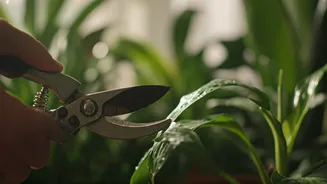
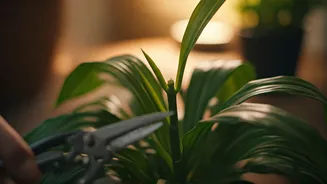
Wielding a pair of shears against a plant you’ve lovingly tended for months (or years) can feel surprisingly emotional. There’s a moment of hesitation, a flicker of fear: What if I cut too much? What if it never grows back? This is the scary part. You’re intentionally wounding something you care for. But on the other side of that fear is a profound sense of satisfaction. The clean snip of a sharp blade through a stem, the removal of a yellowing leaf, the instant improvement in a plant's shape—it’s a powerful feeling of control and competence. Pruning is an act of faith. You’re trusting that the plant’s natural resilience, combined with your care, will lead to a healthier, more vibrant outcome. It’s delayed gratification in its purest form, a horticultural lesson in letting go to encourage growth.
Timing Is Everything
So, when is the right time to act on this energy? For the vast majority of common houseplants, the prime pruning window is late winter to early spring. Think February through April, depending on your climate. During this period, plants are shifting from a state of dormancy into their active growing season, fueled by increasing daylight. Pruning just before this growth spurt acts as a powerful signal. The plant redirects its energy from maintaining long, unproductive stems to pushing out fresh, compact growth. Cutting back a plant when it’s dormant in the dead of winter can stress it, as it doesn’t have the resources to heal and rebound quickly. Pruning too late in the summer can remove buds and flowers or stress the plant during the heat. By syncing your snips with the plant’s natural cycle, you maximize the benefits and minimize the risk.
Your Pruning 101 Toolkit
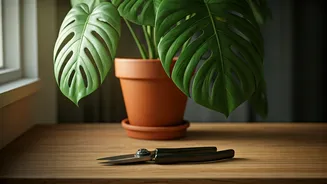
Ready to make the cut? You don't need a lot, but you do need the right tools. First, get a sharp, clean pair of pruning shears, scissors, or a blade. Wiping the blades with rubbing alcohol before and between plants prevents the spread of pests and diseases. Next, identify your target. Look for leggy stems with large gaps between leaves, any yellow or brown foliage, and branches that make the plant look unbalanced. The golden rule is to cut about a quarter-inch above a node—the small bump on the stem where a leaf grows. This is where new growth will emerge. For vining plants like pothos or philodendrons, you can be quite aggressive. For woody plants like a Fiddle Leaf Fig, be more strategic, focusing on shaping and removing lower leaves. Don’t be afraid to remove up to a third of the plant’s mass, but avoid taking more than that at once.
Bonus: Turn One Plant into Many
Here's the best part: pruning doesn’t have to mean waste. Many of the pieces you snip off can be propagated to create entirely new plants for free. This is where the 'plant parent' journey comes full circle. For common houseplants like pothos, philodendrons, monsteras, and snake plants, propagation is incredibly simple. Just take a healthy cutting that includes at least one node, place it in a glass of water, and wait. In a few weeks, you should see new roots begin to form. Once the roots are an inch or two long, you can pot the cutting in soil. Suddenly, pruning isn't an act of removal but an act of multiplication. You're not just tidying up; you're expanding your collection and creating gifts for friends, turning that 'Pruning Week Energy' into an exercise in abundance.