

Start by Taking Stock
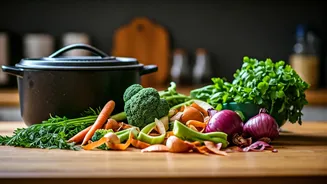
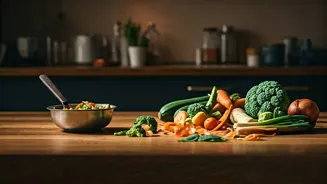
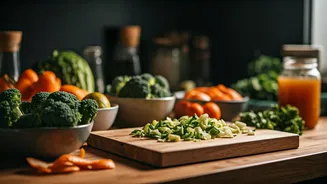
The first step in turning scraps into a meal is knowing what you have. Don't just glance; do a quick but honest inventory of your fridge and pantry. What needs to be used up first? That wilting kale? The half-eaten rotisserie chicken? The leftover rice
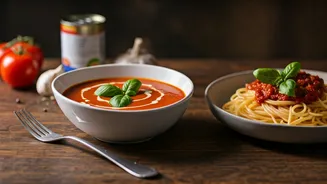
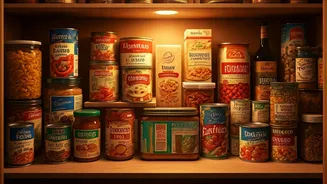
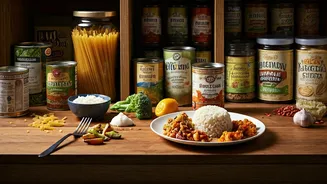
from last night’s takeout? These are your starting players. Now, check the pantry. Canned beans, pasta, a jar of marinara, an onion, some garlic, a few potatoes—these are your supporting cast. The goal isn't to create a five-star meal from scratch. It's to see your leftovers not as remnants of a past meal, but as pre-prepped ingredients for a new one. This mental shift from 'What's for dinner?' to 'What can I make with this?' is the very foundation of pantry cooking.
The Power of a Great Base
Almost any collection of leftovers can be unified by a strong foundation. Think of these as the canvas for your culinary creation. Grains are a perfect example. A scoop of leftover chili or stir-fry feels incomplete on its own, but serve it over a bed of fluffy quinoa, rice, or couscous, and it instantly becomes a hearty, complete meal. Pasta is another hero. That random assortment of roasted vegetables and a bit of sausage can be tossed with pasta and a splash of olive oil for a classic dinner. Even a simple slice of good, toasted bread can be a base for greatness. Top it with leftover shredded meat, some melted cheese from the back of the drawer, and you’ve got an open-faced sandwich that feels intentional, not desperate.
Reimagine with Flavor Profiles
This is where the magic happens. Leftover cooked chicken is just… leftover cooked chicken. But with a few pantry seasonings, it can become anything you want it to be. Shred it and toss it with cumin, chili powder, and a squeeze of lime for instant taco filling. Mix it with curry powder and a spoonful of yogurt or mayo for a quick chicken salad. Sauté it with soy sauce, ginger, and garlic for a stir-fry component. The same logic applies to vegetables. Yesterday’s bland steamed broccoli can be today’s star player when roasted with garlic powder and a sprinkle of parmesan, or thrown into a pan with some sesame oil and red pepper flakes. Don't be afraid to completely change the food’s identity. Your pantry of spices, vinegars, oils, and sauces is your transformation toolkit.
The Almighty 'Everything' Meal
When in doubt, three types of meals are your fail-safe options for using up nearly anything: bowls, scrambles, and soups. The 'Everything Bowl' is a modern classic: start with a grain or green, add a leftover protein, toss in some vegetables (cooked or raw), and finish with a sauce or dressing. It's a formula, not a recipe, and it always works. For a 'kitchen sink' scramble or frittata, just remember that eggs are your best friend. Almost any savory leftover—potatoes, cooked greens, meats, cheeses—can be chopped up, thrown in a pan, and bound together with a few beaten eggs. Finally, soup is the ultimate leftover-redeemer. Sauté an onion and garlic, add your leftover veggies and meats, cover with broth (canned, boxed, or bouillon), and simmer. You can even add leftover grains or pasta to make it more filling.
Give It a Second Life, Not Just Heat
The microwave is a tool of convenience, but it rarely improves food. To truly revive leftovers, rethink how you reheat them. Give them a new texture and a new life. Leftover pizza or roasted vegetables crisp up beautifully in an air fryer or a hot oven. Soggy fried chicken can regain some of its crunch with a few minutes on a wire rack in the oven. A skillet is your best bet for reheating stir-fries, pastas, and shredded meats, allowing you to re-season and add a touch of moisture if needed. The goal is to make the leftover feel cooked for the first time again, not just zapped back to a palatable temperature. That extra five minutes of effort pays off with a meal that tastes thoughtful and satisfying.